
Last updated November 17, 2026
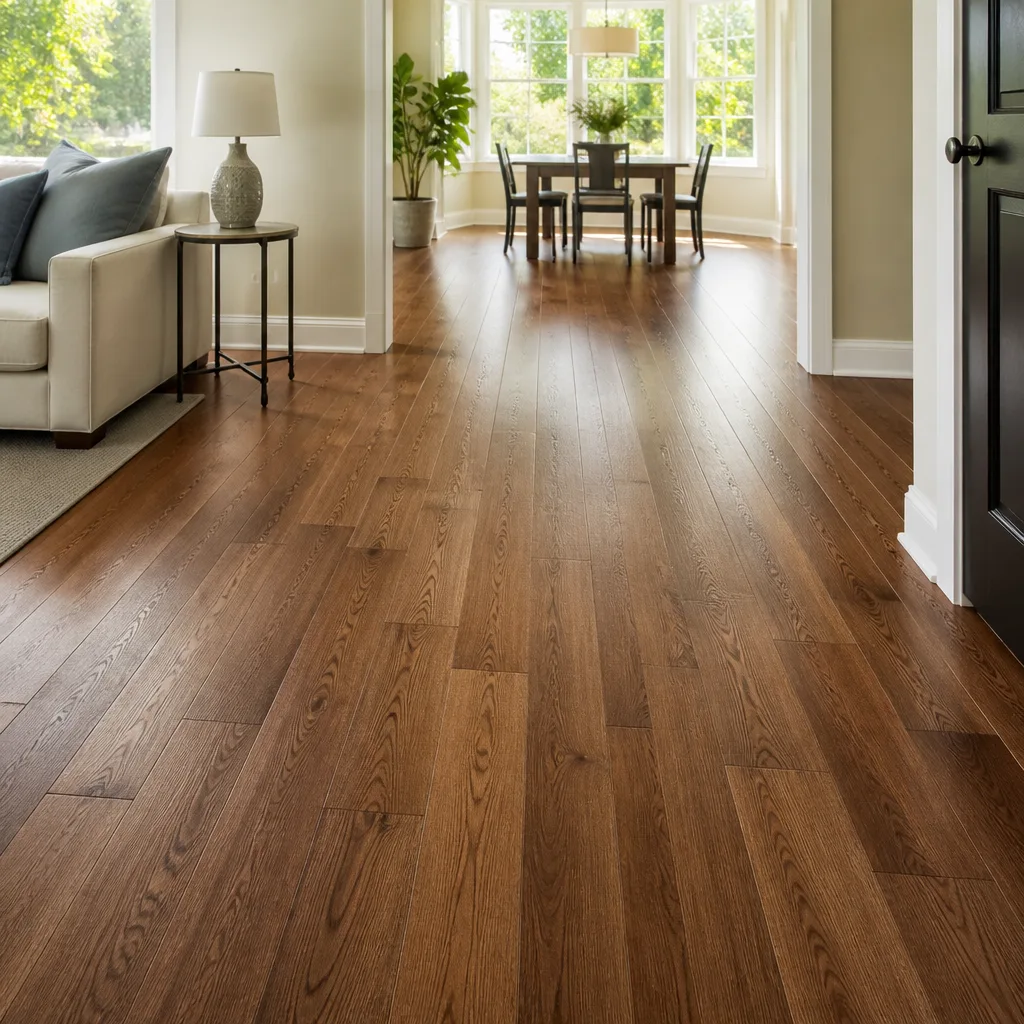 Hardwood
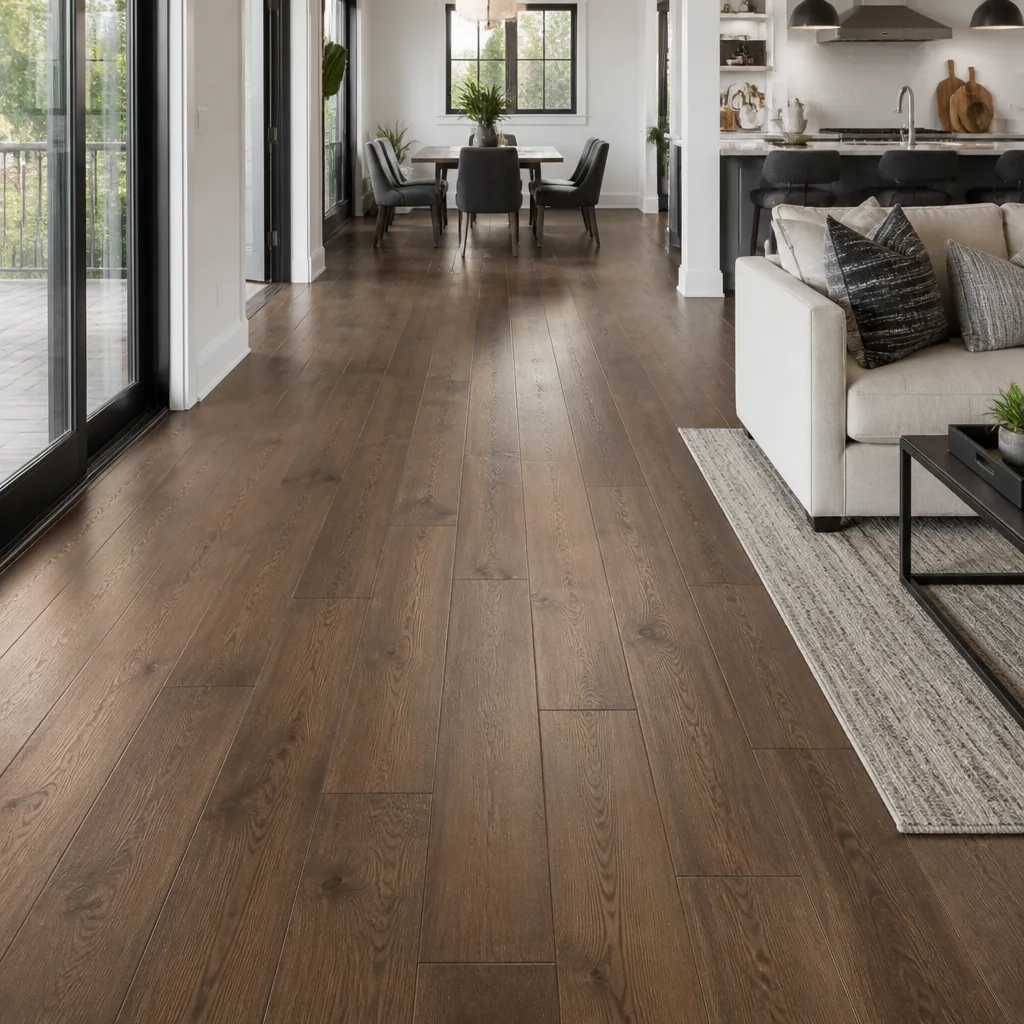 Engineered hardwood
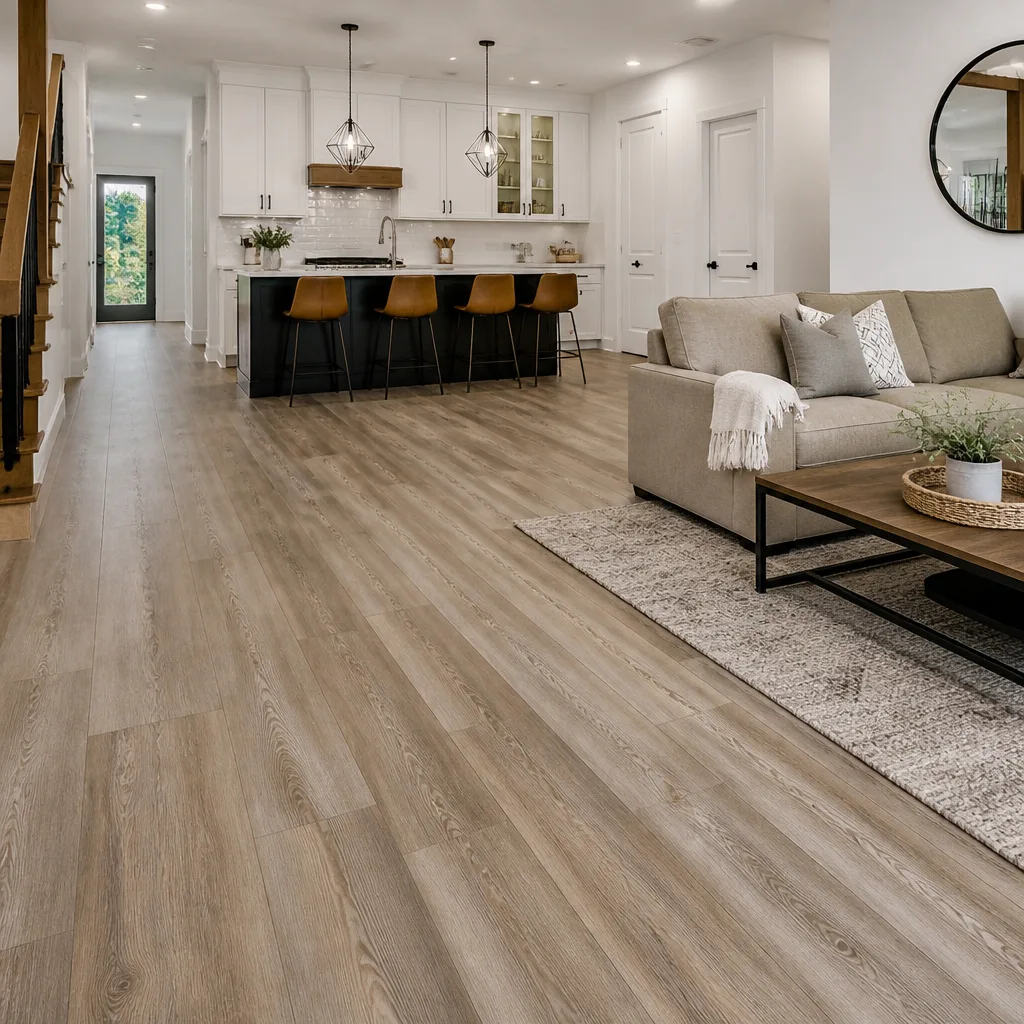 Luxury vinyl plank
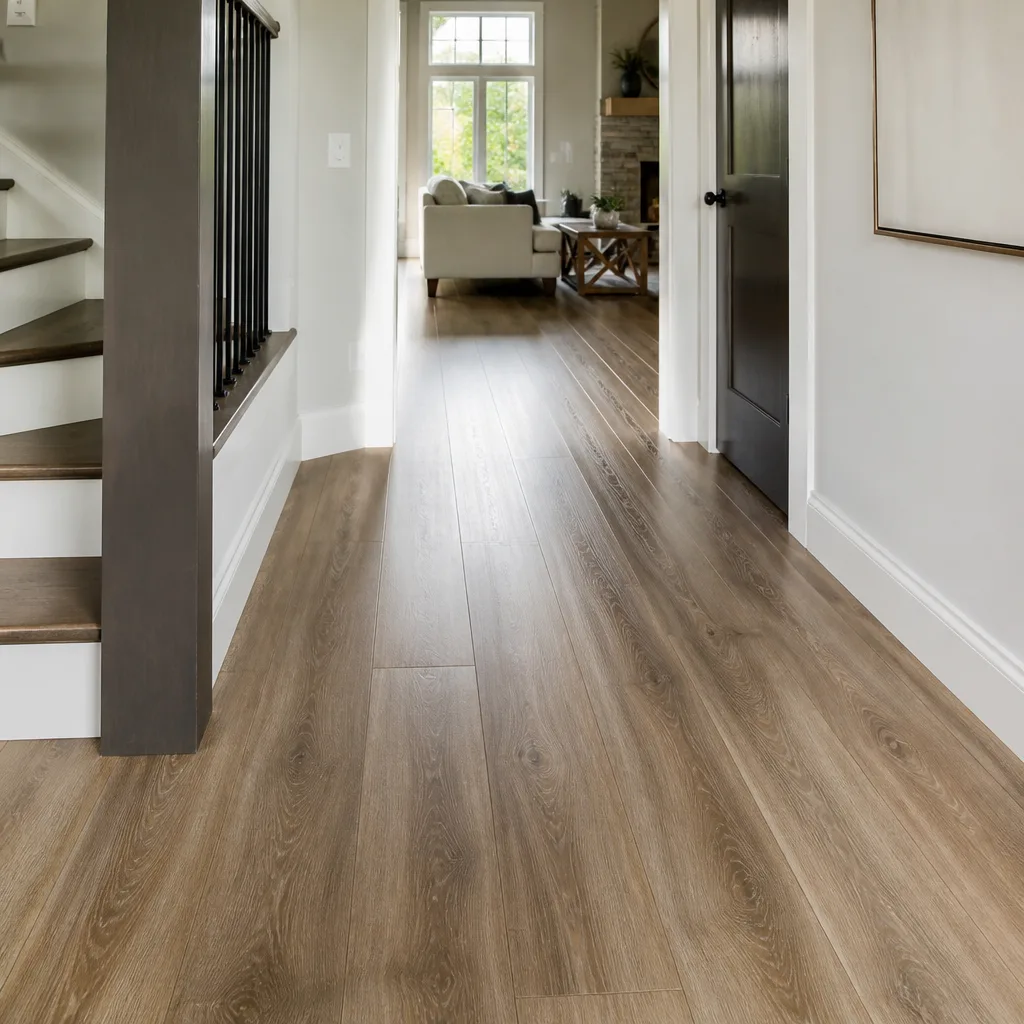 Laminate
 Porcelain tile
 Carpet
 Shaw
 Mohawk
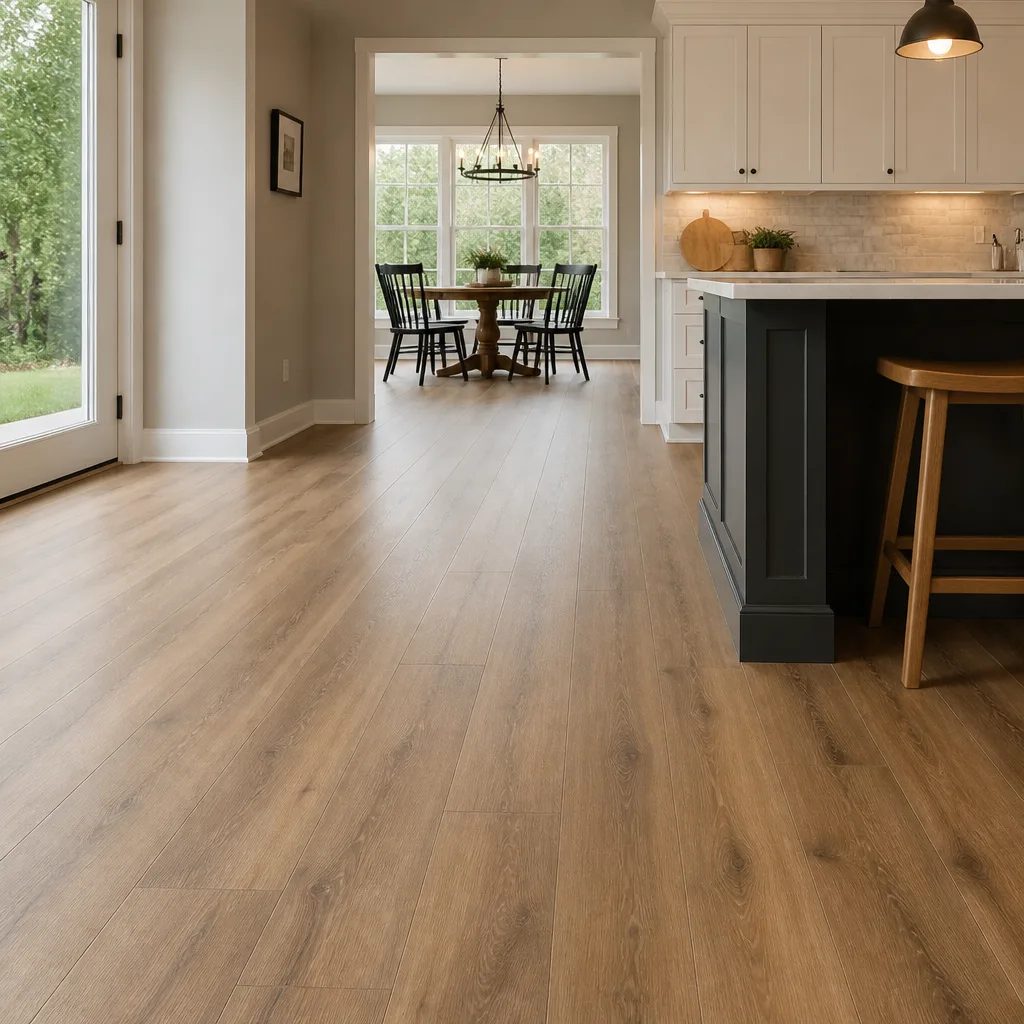 COREtec
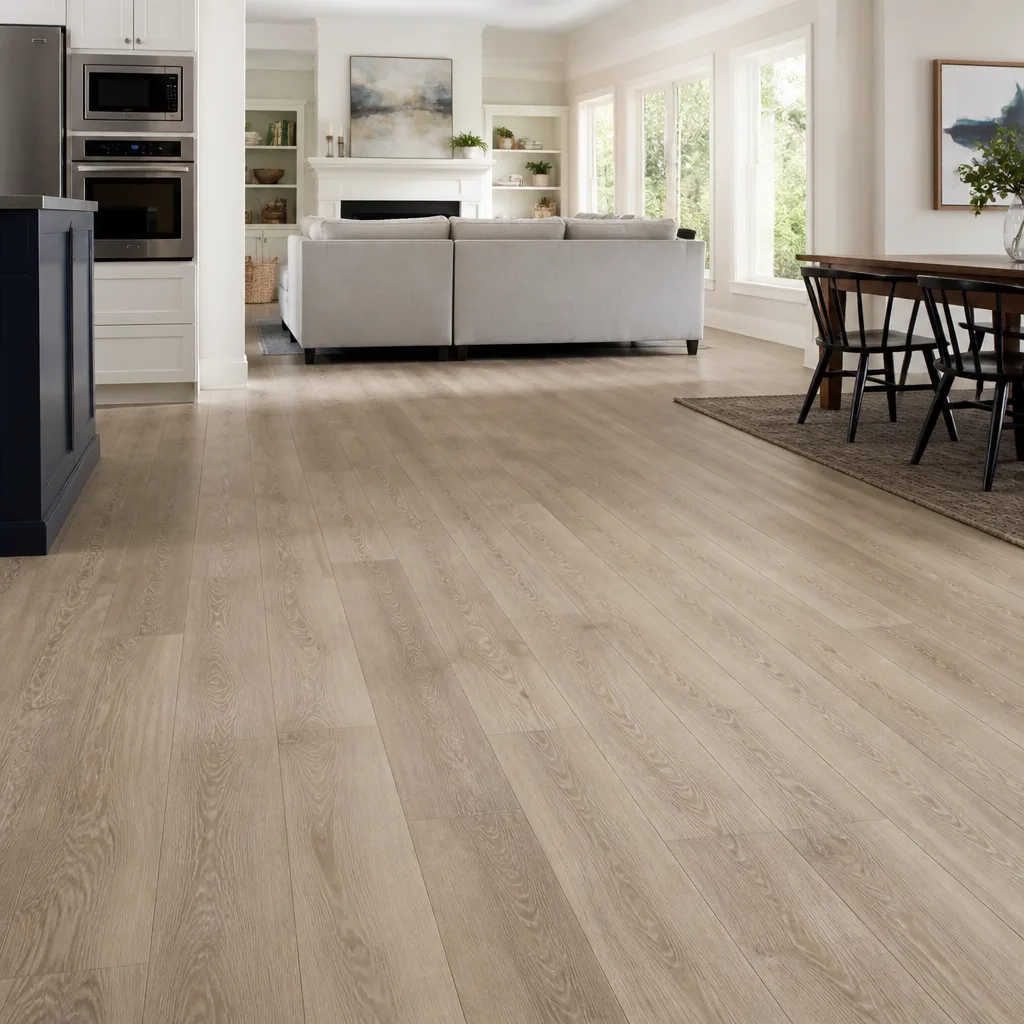 Pergo
Free in-home measure and written estimate: Shaw, Mohawk, COREtec and Pergo lines compared on your own rooms, with carpet, tile, vinyl plank, laminate and hardwood laid out side by side
Get your free estimateThe Complete Guide to Flooring in Sunrise Manor
Most Sunrise Manor homes sit on a concrete slab with no crawl space beneath them, which immediately eliminates or complicates several flooring options that work fine in cooler, wood-framed markets. There’s no basement to buffer ground moisture, no joist cavity to absorb seasonal movement, and no shaded underside to keep a floor cool in July. The slab is the floor’s foundation and its biggest variable at the same time. That single fact reshapes almost every decision you’ll make about carpet, tile, or hardwood in this part of the Las Vegas Valley. In this guide, we’ll walk through how slab-on-grade construction changes moisture testing, why the valley’s heat cycles make expansion gaps a real concern, which materials genuinely suit which Sunrise Manor home types, and how HOA rules in the master-planned communities here narrow your choices before you ever pick a color.
Quick Answer
Flooring in Sunrise Manor starts with the slab, not the showroom. Because most homes here are built slab-on-grade, the right floor for your house depends on moisture testing results, the room’s sun exposure, and the HOA finish rules for your community. Carpet and tile handle this climate most predictably, hardwood can work when it’s glued or floated with the right underlayment, and hardwood refinishing often saves the full replacement cost on floors worth restoring.
Styles & brands we work with
- Hardwood
- Engineered hardwood
- Luxury vinyl plank
- Laminate
- Porcelain tile
- Carpet
- Shaw
- Mohawk
- COREtec
- Pergo
Table of Contents
- Why Slab-on-Grade Construction Changes Everything
- Moisture Testing Before Any Install
- How Heat Cycles Affect Expansion Gaps
- HOA Requirements in Sunrise Manor Communities
- Matching Floor Types to Sunrise Manor Homes
- Hardwood Refinishing Versus Replacement
- Brands and Lead Times to Plan Around
- What a Flooring Project Actually Looks Like
Why Slab-on-Grade Construction Changes Everything
A slab-on-grade home has its finished floor poured directly on the ground, with no ventilated space underneath. That design is common across Sunrise Manor and the wider valley because it’s efficient to build and stable in a climate without a deep frost line. It also means your flooring choices are tied directly to how the concrete behaves through the year.
In a wood-framed home with a crawl space, air moves beneath the floor and evens out temperature and moisture swings. A slab has no such buffer. Concrete wicks moisture from the soil below and releases it slowly through the surface, and that release rate changes with the season. In winter, when the ground cools and the air stays dry, the slab pulls moisture inward. In summer, when the air is hot and the interior is air conditioned, condensation risks can show up at the slab surface in ways that surprise homeowners who moved here from wetter places.
This is why we treat the slab as the first material decision. Before you choose carpet, tile, or hardwood, the slab needs to be read.
- Slab moisture content decides whether a moisture barrier is required and which underlayment works.
- Slab flatness determines whether floor prep is needed before tile or hardwood.
- Slab cracks and control joints have to be honored or bridged, not ignored.
- Slab temperature affects how adhesives cure and how a floor feels underfoot in summer and winter.
None of that is a problem. It’s information. The mistake is choosing a floor first and testing the slab second, which is the order most homeowners walk in with after visiting a big-box store.
Moisture Testing Before Any Install
Moisture testing on a slab isn’t optional in Sunrise Manor. It’s the step that decides which products can be installed safely and which ones will fail in a year. We test before we quote the install, not after the material is delivered.
There are two common tests. A calcium chloride test measures how much moisture vapor the slab emits over a set period. An in-situ relative humidity probe test measures moisture inside the slab itself. Each one tells the installer something different, and the product instructions for the specific flooring you choose will dictate the acceptable limit. We don’t quote a fixed number because those limits come from the manufacturer and the specific product, not from us.
What we can say is this: any flooring professional who quotes a slab install in Sunrise Manor without testing is guessing. Here is the sequence we follow on a typical project.
- Site visit and measure. We look at every room, note sun exposure, note existing floor condition, and check for visible cracks or staining.
- Moisture test. We run the appropriate test on the slab and record the results.
- Prep plan. Based on the test, we recommend a moisture barrier, a specific underlayment, or a different material altogether.
- Written estimate. The final price is set in writing, with the test results and prep plan reflected in it.
- Install day. Material arrives, acclimates to the room per the product instructions, and goes down.
If your slab tests high, carpet and tile are often the most forgiving options. A moisture-resistant underlayment under carpet, or a properly set tile with the right membrane, addresses the issue directly. Hardwood and certain vinyl products are more sensitive. The test tells you which path is open.
How Heat Cycles Affect Expansion Gaps
Summer days in the Las Vegas Valley push interior temperatures hard, and nights pull them back down. That daily swing, repeated through the season, is the reason expansion gaps matter more here than they do in northern climates. Every flooring material expands when it warms and contracts when it cools. In a mild climate, a floor can get away with tighter tolerances. In Sunrise Manor, a floor installed tight to the wall will tent, buckle, or gap within a single summer.
Expansion gaps are the buffer that lets the floor move. They look like small spaces at the perimeter of the room, usually hidden under baseboard. If your installer skips them, or the baseboard gets caulked tight against the floor afterward, the buffer disappears.
- Sun-facing rooms (west and south exposure) see the widest temperature swings and need the most generous allowances.
- Rooms with large windows and no blinds heat up faster and cool down slower than interior rooms.
- Seasonal installation timing matters: a floor installed in the coolest part of the year needs to be sized for the hot months, not the cool ones.
- Cabinet and door frame clearances have to be planned before trim goes back on.
Tile is not immune, though the mechanism is different. Tile moves against its substrate, which is why crack isolation membranes are worth discussing for large tile fields in sun-exposed rooms. Carpet stretches and relaxes, so proper tension at install is what keeps it from rippling through summer.
When you get a written estimate from us, the expansion allowance is part of the plan, not a footnote.
HOA Requirements in Sunrise Manor Communities
Sunrise Manor has a mix of older subdivisions and newer master-planned communities, and the HOAs in the newer ones often dictate exterior and sometimes interior finish decisions. This catches homeowners after they’ve already bought material. If your community has architectural review rules, check them before you order.
Common HOA restrictions we see here affect things like:
- Visible flooring in entryways and near windows, where exterior sight lines from common areas might matter.
- Sound transmission requirements in attached or multi-unit homes, which can rule out hard flooring in upper rooms or require specific underlayments.
- Tile and stone color restrictions in some neighborhoods with coordinated exterior palettes.
- Exterior door thresholds and transitions when flooring changes meet patio doors.
Not every Sunrise Manor community has these rules, and many don’t. But the ones that do tend to enforce them at the point of sale or during inspection, which is a bad time to find out that your chosen floor needs an architectural review approval you didn’t submit. Ask your HOA for the current architectural guidelines before your first showroom visit, and bring them to your estimate if you can. It saves a second conversation later.
Matching Floor Types to Sunrise Manor Homes
Different floor types genuinely suit different Sunrise Manor home types, and the match is often decided by construction, not preference. Here’s how we think about it.
Carpet
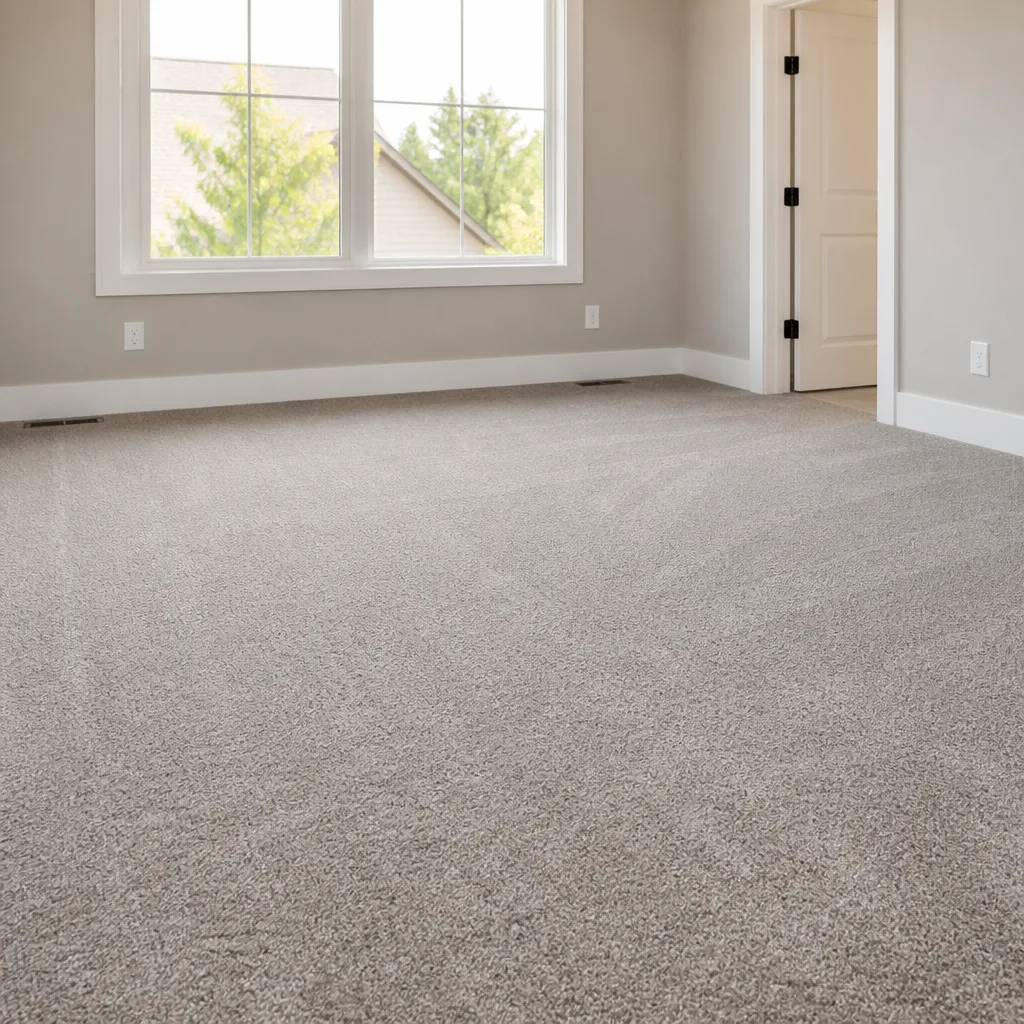
Carpet works well across nearly every Sunrise Manor home, especially in bedrooms and living areas where the slab has been properly prepared with a moisture-resistant underlayment. It’s forgiving of minor slab imperfections, warm underfoot in winter when the slab is cold, and quieter than hard surfaces in rooms with high ceilings. Our carpet installation projects often start with a waterproof backing or a moisture barrier because the slab demands it. Shaw and Mohawk both offer options that handle this climate well, and the correct choice depends on traffic and room usage more than on fiber type alone.
Tile
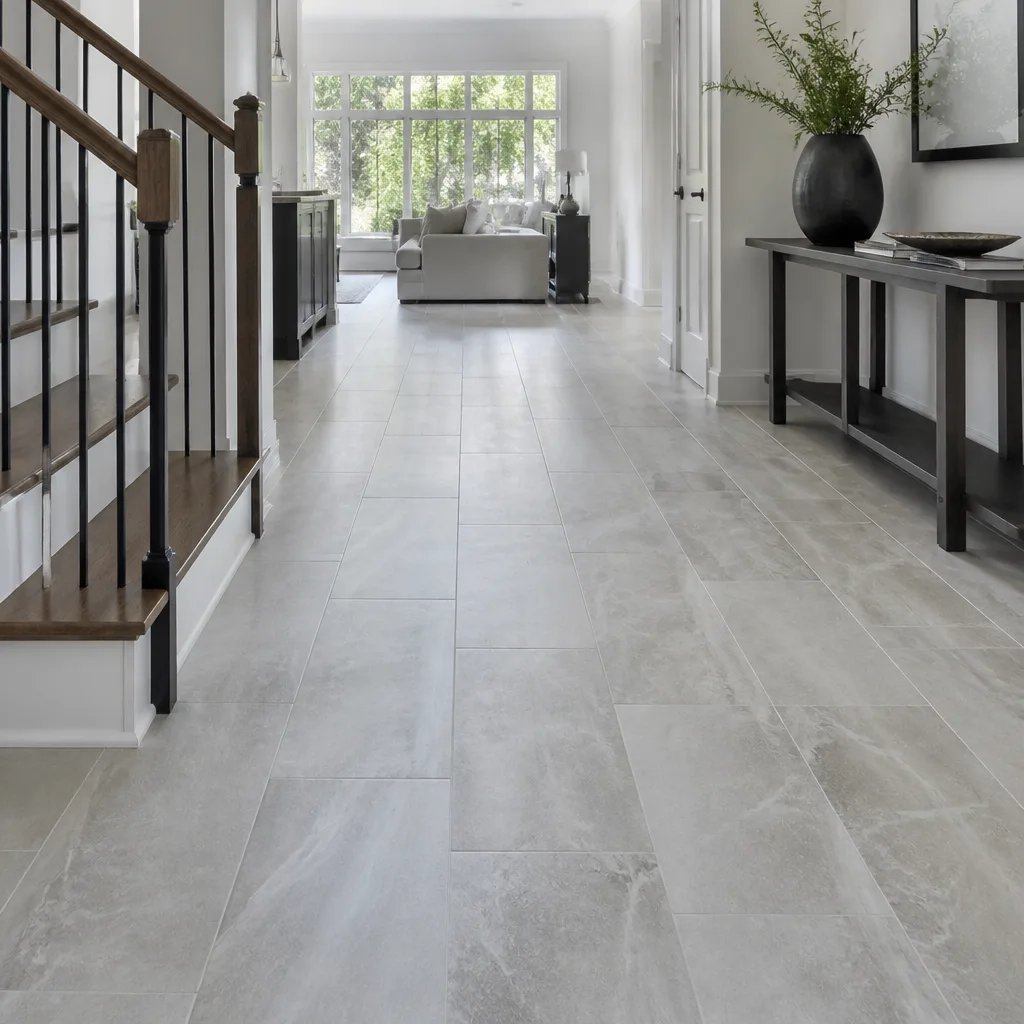
Tile is the most climate-stable floor in Sunrise Manor. It doesn’t care about humidity swings, it doesn’t expand the way wood does, and it stays cooler underfoot in summer, which matters in a valley where floors over slab can run warm. Our tile flooring installation projects typically use Daltile lines because they cover the widest range of styles and sizes we see locally. The catch is proper substrate prep. Tile over a slab needs a flat, clean surface and, in large fields, often a membrane to absorb movement.
Hardwood
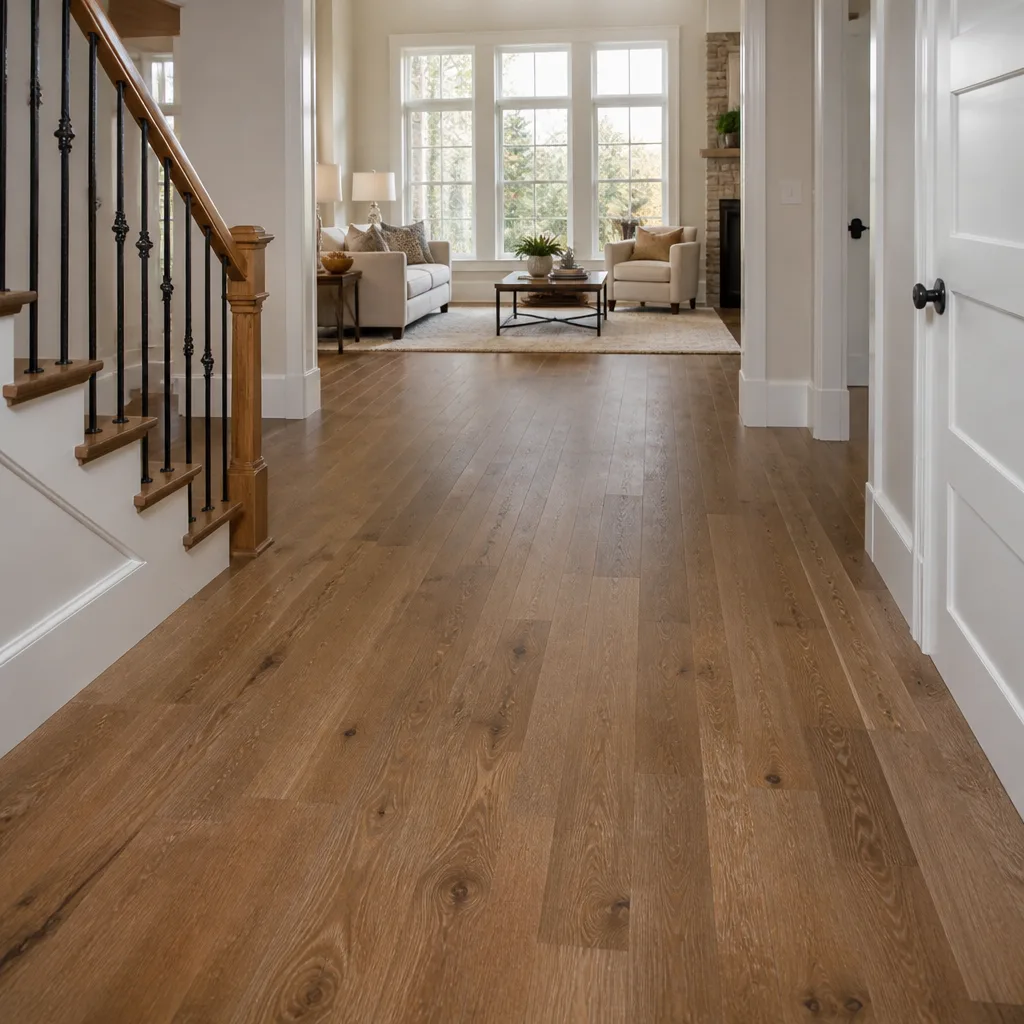
Hardwood is the most delicate of the three categories in this climate. It can work beautifully in Sunrise Manor, but usually with either a glued-down installation or a floating one with the right moisture barrier. Solid hardwood nailed down is common elsewhere but less common over a slab here. Engineered hardwood handles the expansion cycles better. If you already have hardwood in your home, refinishing is often the smarter move, which we’ll cover next. Armstrong and Mannington both supply hardwood-adjacent options worth discussing at the estimate.
Luxury Vinyl Plank
LVP is a strong fit for Sunrise Manor because water-resistant cores and click-lock systems handle slab moisture well when paired with the right underlayment. COREtec’s waterproof core and Karndean’s design-led luxury lines serve two different homeowners: the one who wants maximum durability and the one who wants the floor to look like a premium finish. Both work here. Neither is a substitute for reading the slab first.
Hardwood Refinishing Versus Replacement
Restoring an existing floor is often a better financial decision than replacing it, and that choice alone saves the full cost of new material and install. Most flooring shops don’t offer refinishing as a core service. We do, and it’s often the first thing we recommend when a Sunrise Manor homeowner mentions replacing an older hardwood floor.
Refinishing removes the top surface, repairs minor damage, and reapplies a new finish. It returns the floor to a fresh state without the material cost or the demolition. Whether refinishing is right for your floor depends on the thickness of the wood and its condition, which we check at the estimate visit. Not every floor can be refinished – worn, water-damaged, or already-thin floors may not have the material left to remove – and we tell you that honestly rather than quoting a job we can’t complete well.
We also don’t promise a stain will match a sample exactly. Wood is a natural material, and the final color depends on the species, the age of the wood, and the finish system. What we can promise is a realistic conversation about what’s possible before you commit.
If your floor can be saved, refinishing gives you a floor that will last another generation at a fraction of replacement cost. If it can’t, we’ll tell you that too, and walk you through the material options that make sense.
Brands and Lead Times to Plan Around
We carry nine brands across three disciplines: Shaw and Mohawk for carpet, COREtec, LifeProof, Karndean, Mannington, Armstrong, and Pergo across the hard-surface categories, and Daltile for tile. That breadth gives you real choice at the estimate rather than a single recommended product.
What homeowners ask about more often than the brand itself is the lead time. Special-order flooring isn’t stocked on any shelf that we control – it arrives from the manufacturer once you’ve chosen it. Rush orders are not a thing most flooring manufacturers work with, so plan around a real lead time.
- In-stock or common SKUs often arrive faster than custom-order colors, though we don’t quote a fixed number of days because it varies by product and by the manufacturer’s current schedule.
- Custom-dyed or special-order carpet takes longer than a standard colorway from Shaw or Mohawk.
- Tile from Daltile may require ordering full boxes beyond what’s needed for waste, and box quantities are set by the product, not by the room.
- LVP from COREtec or Karndean has variable availability depending on the specific line, so the schedule is set with the product in the estimate.
The rule we give homeowners is simple: don’t schedule a moving date or a furniture delivery around a flooring install until the material is confirmed at the manufacturer and the install is on the calendar in writing. The written estimate sets both the price and the schedule.
What a Flooring Project Actually Looks Like
A flooring project in Sunrise Manor is a scheduled job, not a same-day service call. Here’s the honest sequence from first call to finished floor.
- Your call. We answer 24/7. Fast dispatch from 7am to 7pm, Sunday through Friday. We ask about the rooms, the current floor, and the timeline you’re working with.
- In-home measure and estimate. A technician visits, measures every room, checks the slab, runs the moisture test, and looks at trim, transitions, and door clearances. The visit is free and there’s no obligation.
- Written estimate. You receive a written quote that reflects the specific material, prep work, and install plan. The written estimate sets the final price.
- Material selection and order. You pick the product from the brands available for your category. We order it and confirm delivery.
- Install day. Material acclimates to the room per the product instructions, then goes down. The length of install depends on square footage, room count, and prep, and it’s scheduled with you in writing.
- Walk-through. We review the finished floor with you, check transitions and trim, and address anything that needs attention before we leave.
If your project spans more than one floor type, you’re not coordinating multiple trades. One call handles the whole job from a single specialist. That’s the practical appeal of a multi-discipline flooring company in a market where coordinating a carpet installer, a tile setter, and a hardwood refinisher separately is a real headache.
Common Mistakes to Avoid
- Skipping the moisture test. Ordering material without reading the slab is the most expensive mistake we see. A floor that tests high and gets installed anyway will fail faster here than in most climates.
- Buying the floor before the estimate. Homeowners who buy at a big-box store and then call an installer often discover the product isn’t suited to their slab or their room exposure. The estimate comes first for a reason.
- Ignoring HOA rules until after purchase. A floor that’s already purchased and can’t be installed under your community guidelines is a costly dead end. Check the guidelines before you shop.
- Assuming a tight fit is a good fit. In the Las Vegas Valley heat cycles, tight installs become tented floor within a season. Expansion gaps are the plan, not an error.
- Refinishing a floor that has no material left to remove. Not every hardwood floor can be refinished, and we check before quoting. A refinisher who says yes to everything is worth questioning.
- Replacing a hardwood floor that could be restored. Refinishing saves the full cost of new material and install when the existing floor is sound. Ask before you assume it needs replacing.
- Scheduling around delivery dates that haven’t been confirmed. Manufacturer lead times vary. Confirm the material and the install calendar before you commit to a moving date.
See the difference
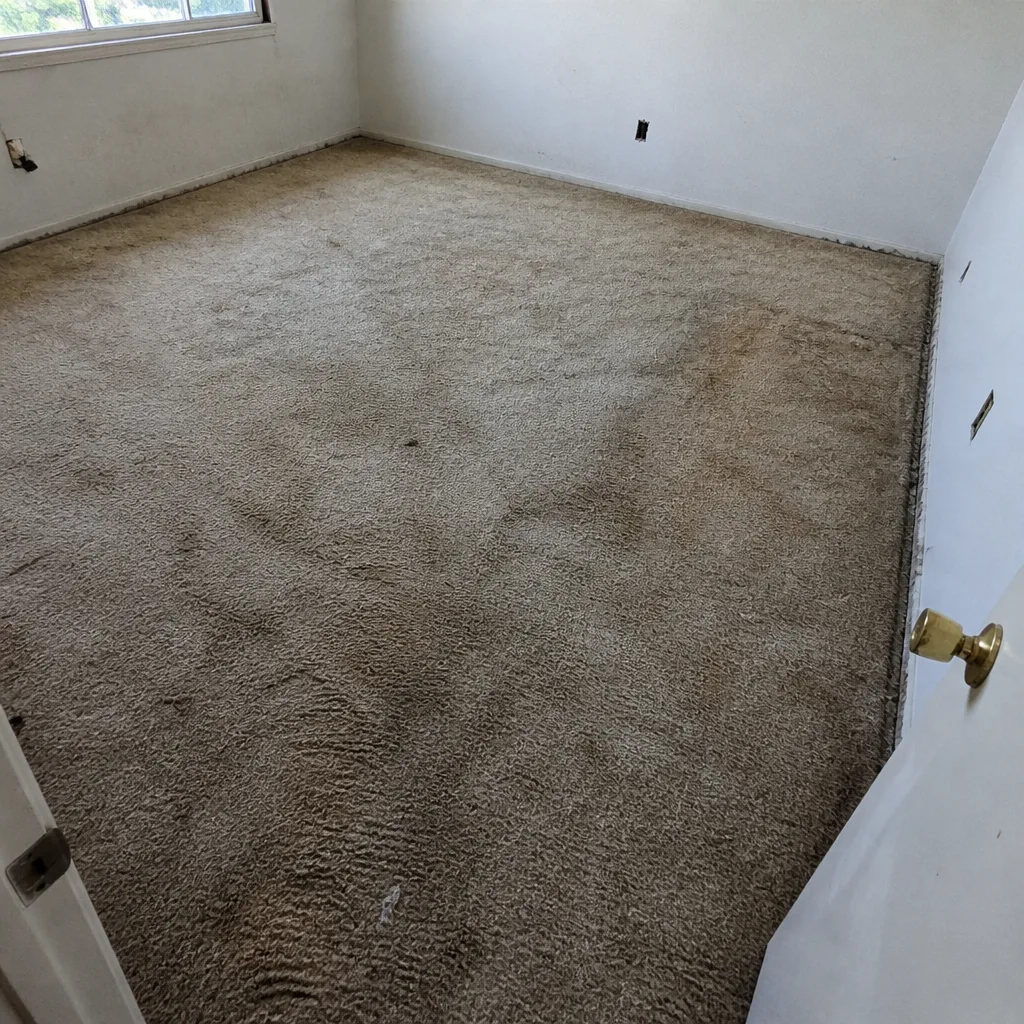 Before
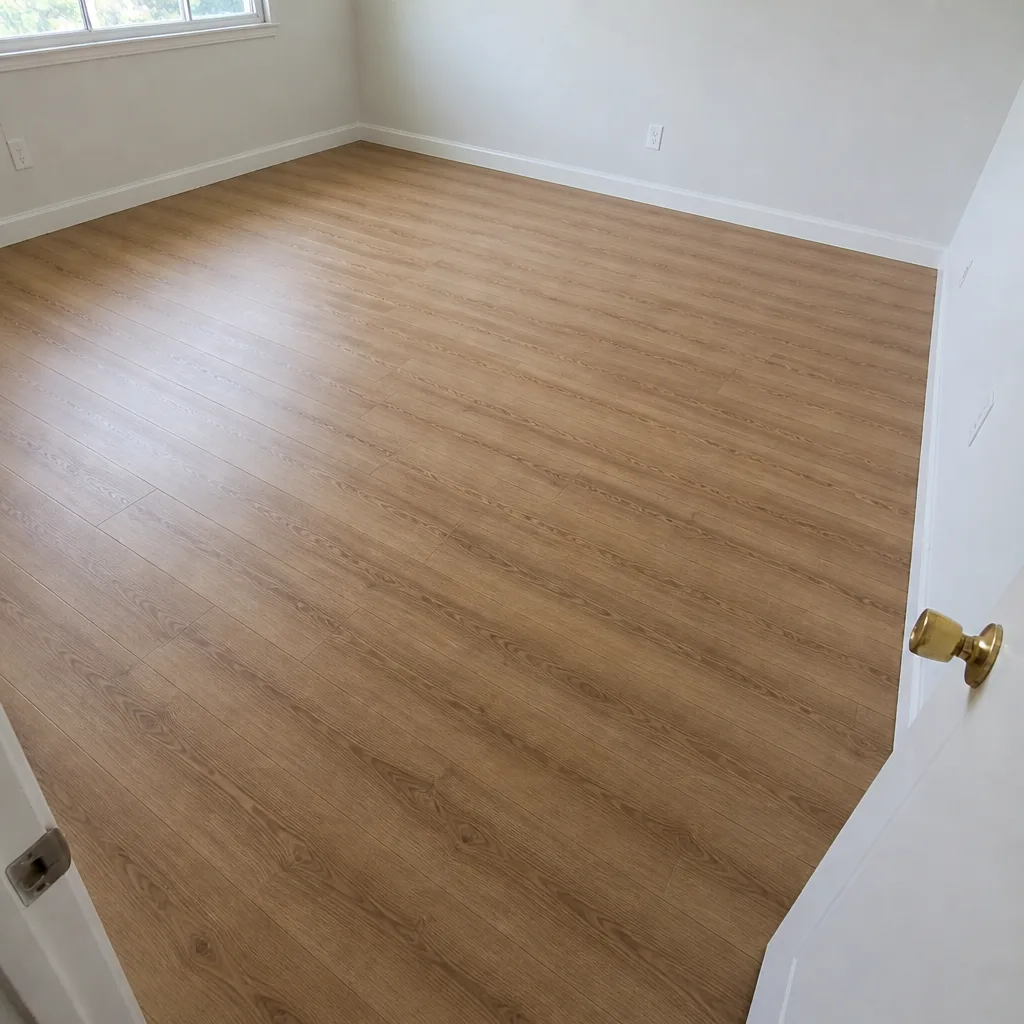 After
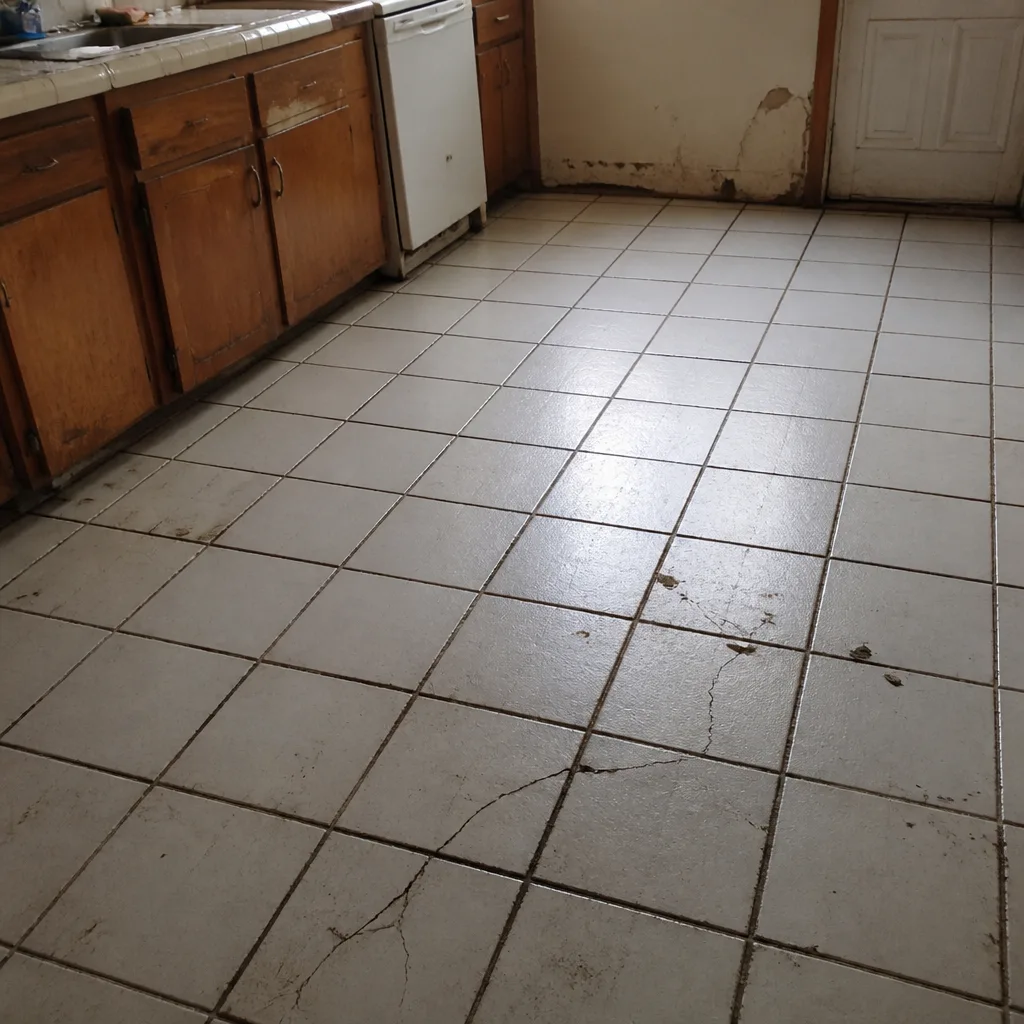 Before
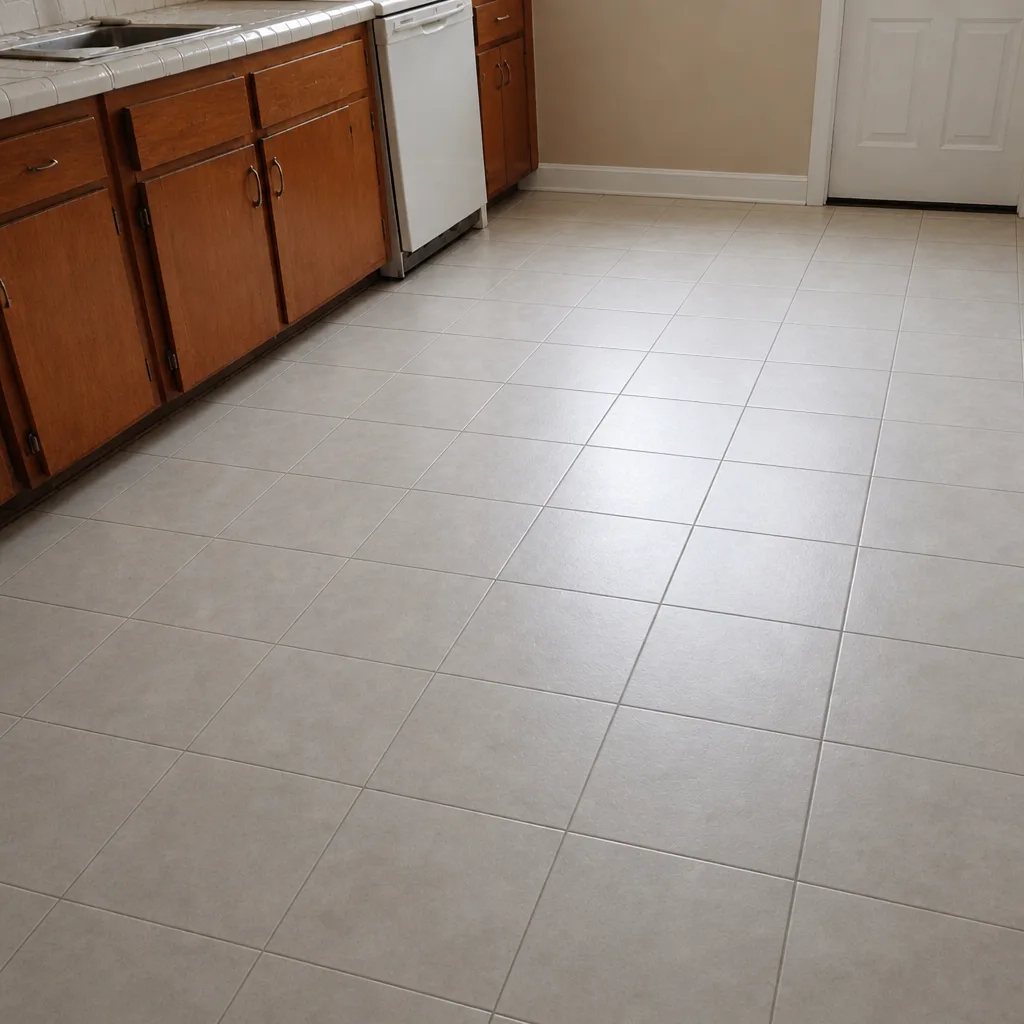 After
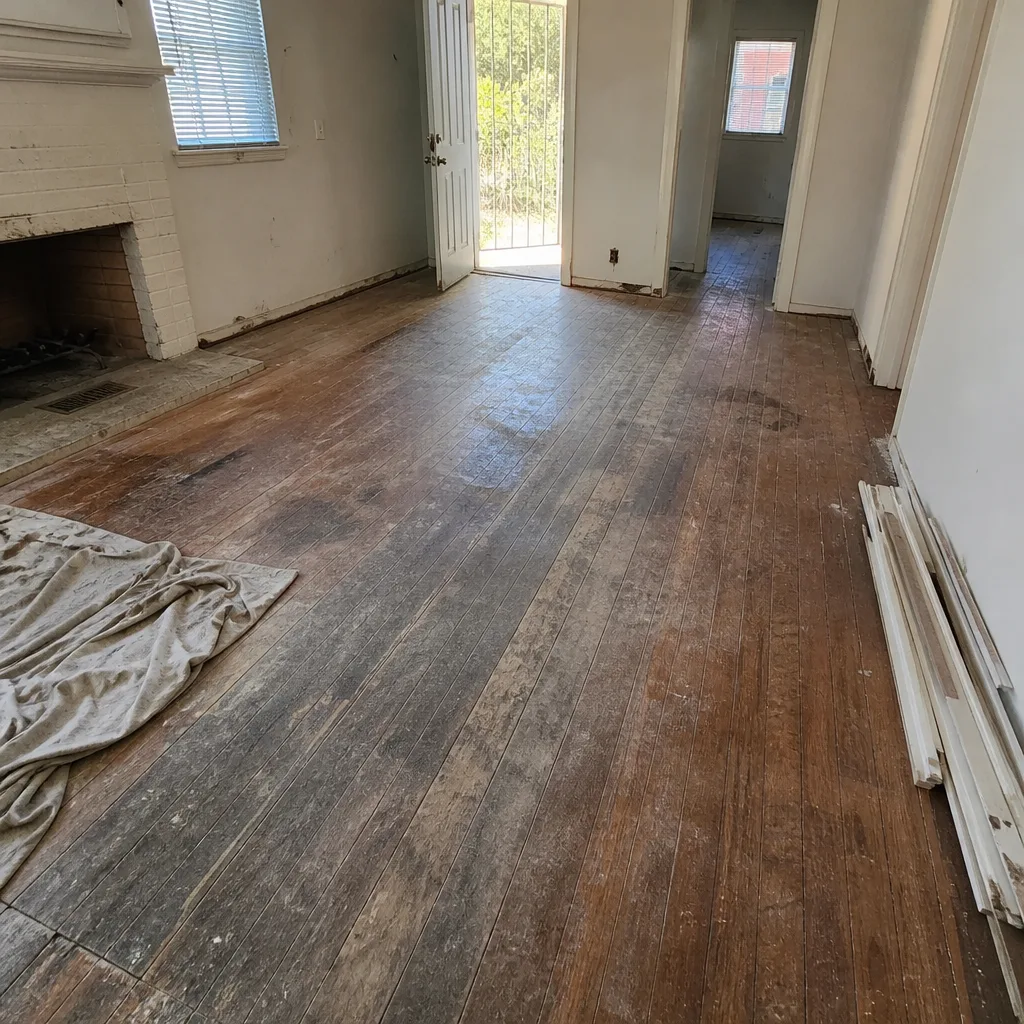 Before
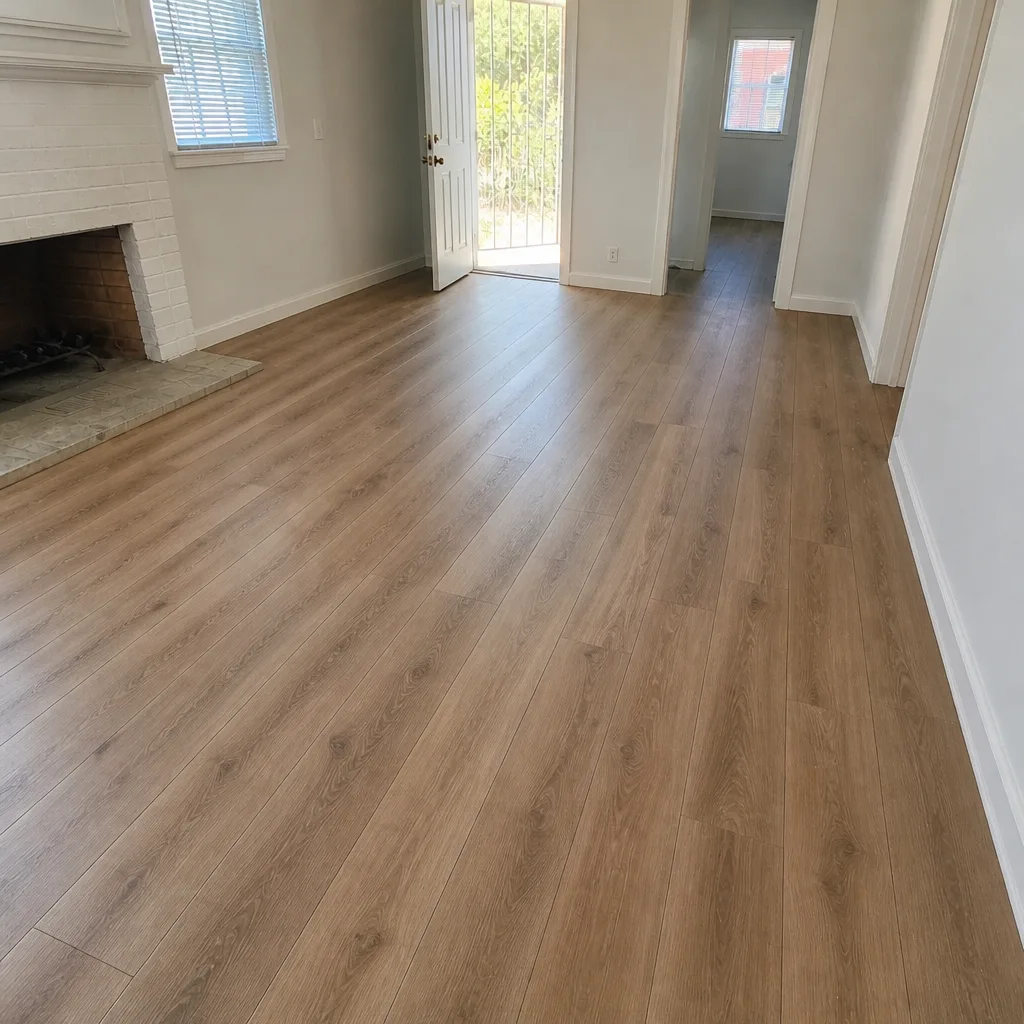 After
When to Call a Professional
Some flooring questions are easy to answer on your own. Others aren’t, and the wrong call is expensive. Call us when your slab needs moisture testing before material selection, when you’re choosing between refinishing your existing hardwood and replacing it, when your project spans more than one room type and you’d rather not coordinate multiple trades, when you want brand-level choice between performance-first and design-led products, or when your HOA rules are unclear and you need to know what’s actually installable.
We also hear from homeowners who bought flooring elsewhere and need an honest assessment of whether it will work in their specific home. We’re happy to walk through that at an estimate.
Sunrise Manor Flooring offers free estimates in Sunrise Manor. Call (833) 695-5999 and we’ll get you on the schedule.
Frequently Asked Questions
Cost depends on the material, square footage, slab condition, and prep work, which is why we give a written estimate rather than a per-square-foot number. Carpet, tile, and hardwood each fall in different ranges, and moisture barriers or floor prep add to the total. The written estimate sets the final price, and the estimate visit itself is free. Call (833) 695-5999 to schedule yours.
Yes. Slab-on-grade construction in Sunrise Manor means the concrete sits directly on soil and moves moisture up through the surface, so the install plan has to reflect the test results. Skipping the test is the single biggest cause of flooring failure we see here. Testing is part of our estimate visit.
Carpet and tile are the most forgiving of slab conditions because they handle moisture swing well with proper prep. Hardwood can work with glued-down or floating installs and the right underlayment. LVP from COREtec, LifeProof, or Karndean is a strong fit when paired with the correct moisture barrier. The best choice depends on which room, which exposure, and what the slab reads on the test.
Often yes, and it saves the full cost of new material and install. Refinishing depends on the thickness of the wood and its overall condition, which we check at the estimate visit. We won’t quote a refinishing job on a floor that doesn’t have the material left to remove.
The schedule is set at the estimate, because install length depends on square footage, number of rooms, prep work, and the material’s lead time. The material has to arrive and acclimatize to the room per the product instructions before install, so the calendar is built around those facts. Your written estimate reflects the schedule.
Some newer master-planned communities in Sunrise Manor have architectural review rules that affect flooring choices, especially in attached homes or where exterior sight lines matter. Not every community has these rules. Ask your HOA for the current guidelines before ordering material, and bring them to your estimate if you can.
The Bottom Line
Flooring in Sunrise Manor starts with the slab. Moisture testing, expansion allowances for the valley’s heat cycles, HOA guidelines in the master-planned communities, and honest material matching all come before the color choice. Carpet and tile are the most climate-stable here, hardwood works with the right installation method, and refinishing an existing hardwood floor often saves the full cost of replacement. One specialist can handle the whole job across all three disciplines, which means you’re not coordinating multiple trades. Call (833) 695-5999 to schedule a free estimate. We answer 24/7, with fast dispatch from 7am to 7pm, Sunday through Friday.
Written by the team at Sunrise Manor Flooring.