
Last updated November 17, 2026
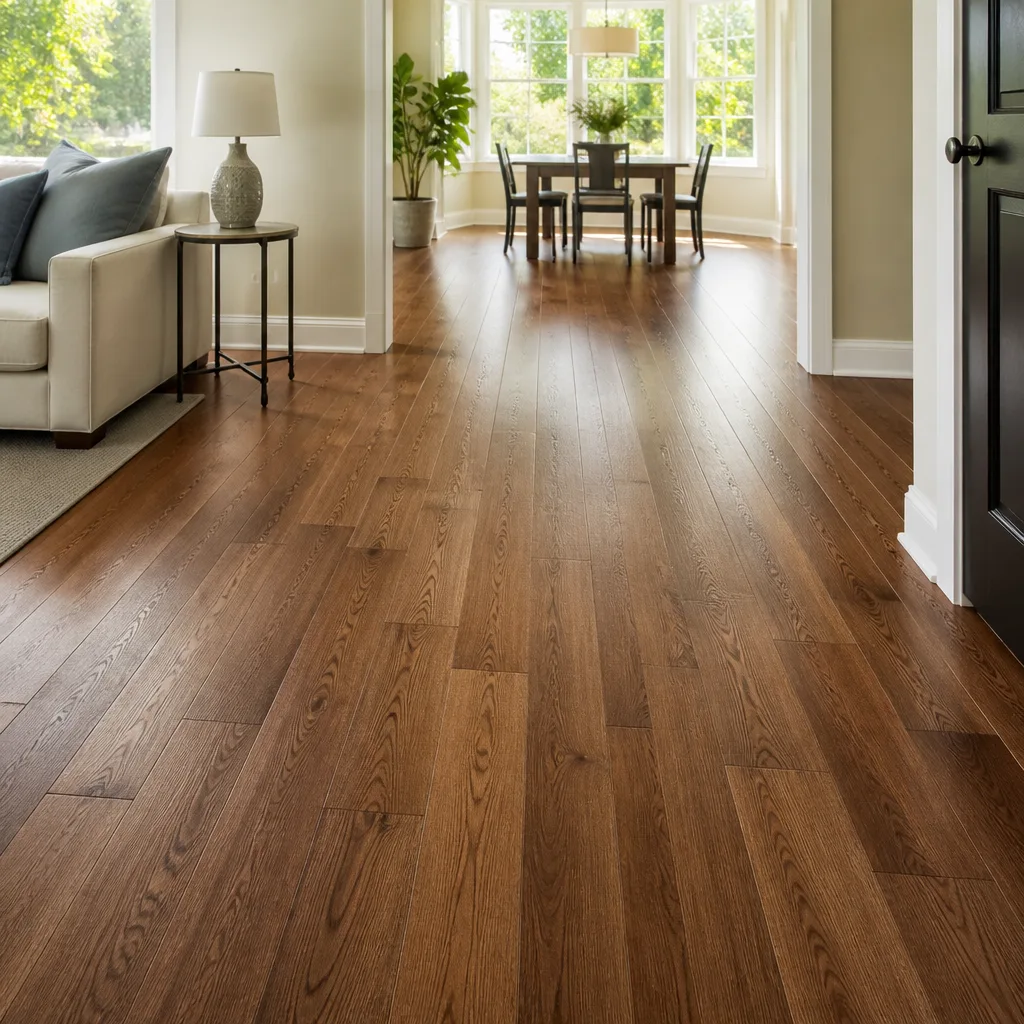 Hardwood
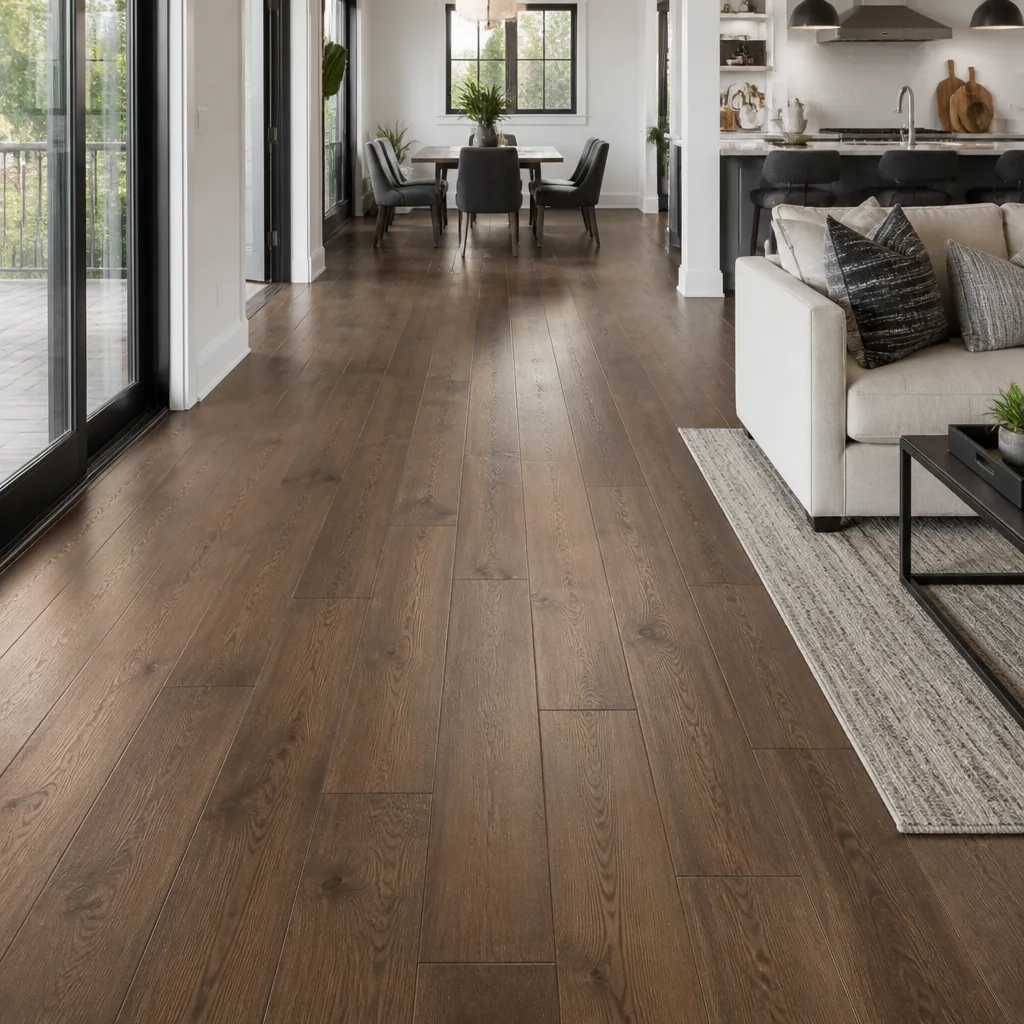 Engineered hardwood
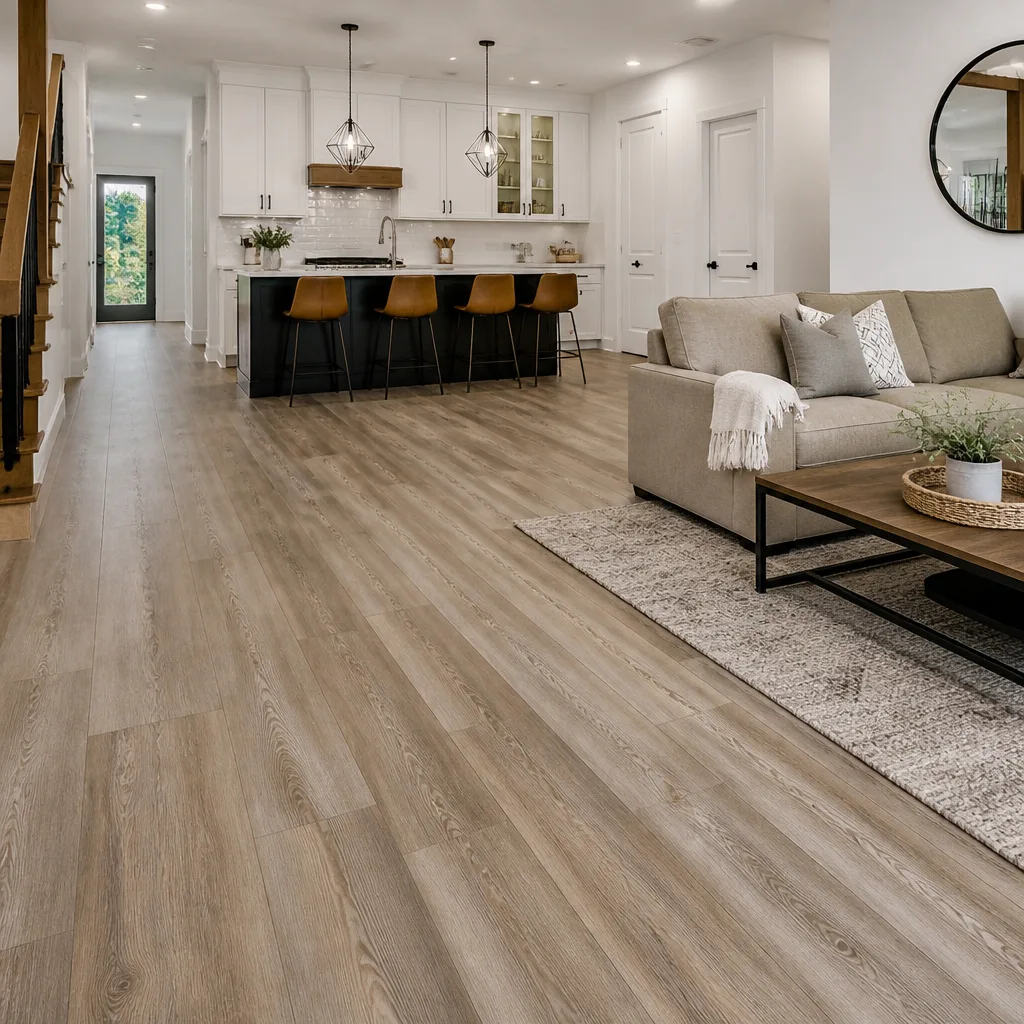 Luxury vinyl plank
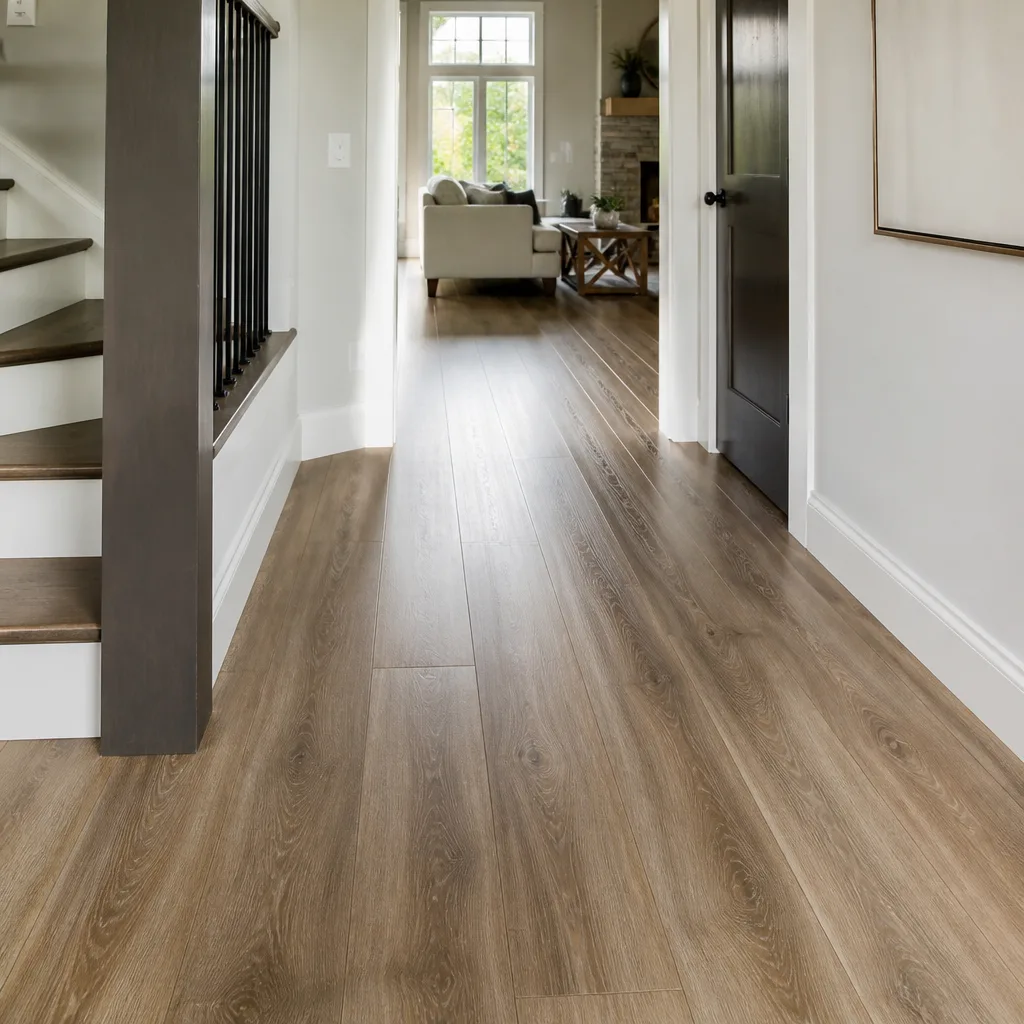 Laminate
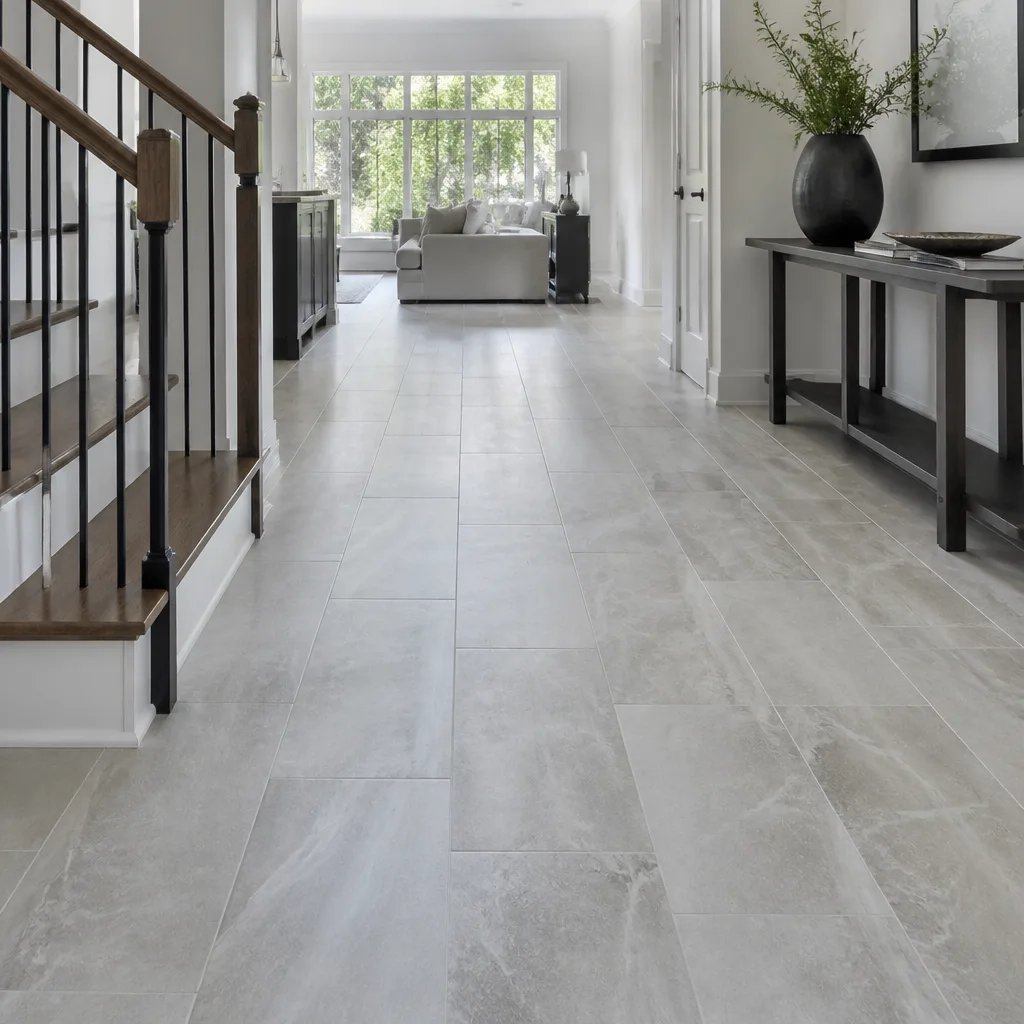 Porcelain tile
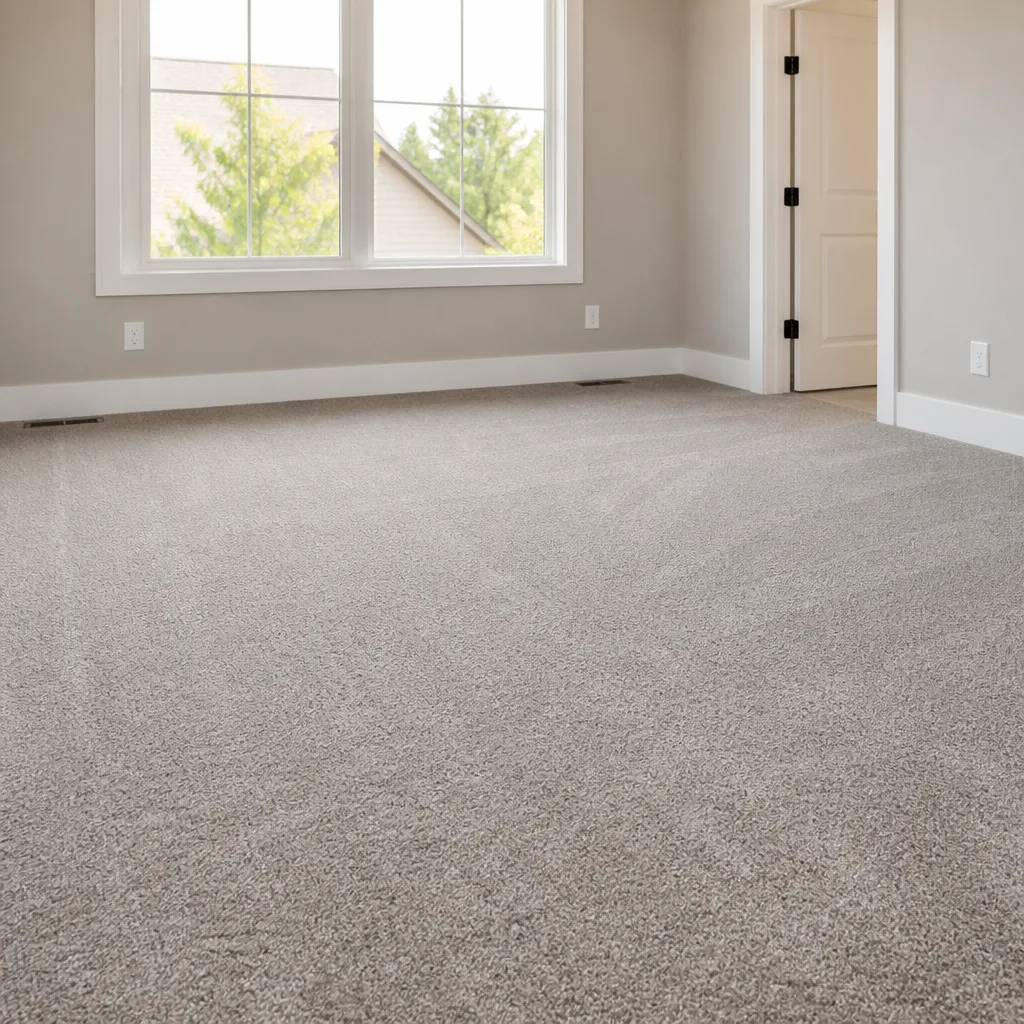 Carpet
 Shaw
 Mohawk
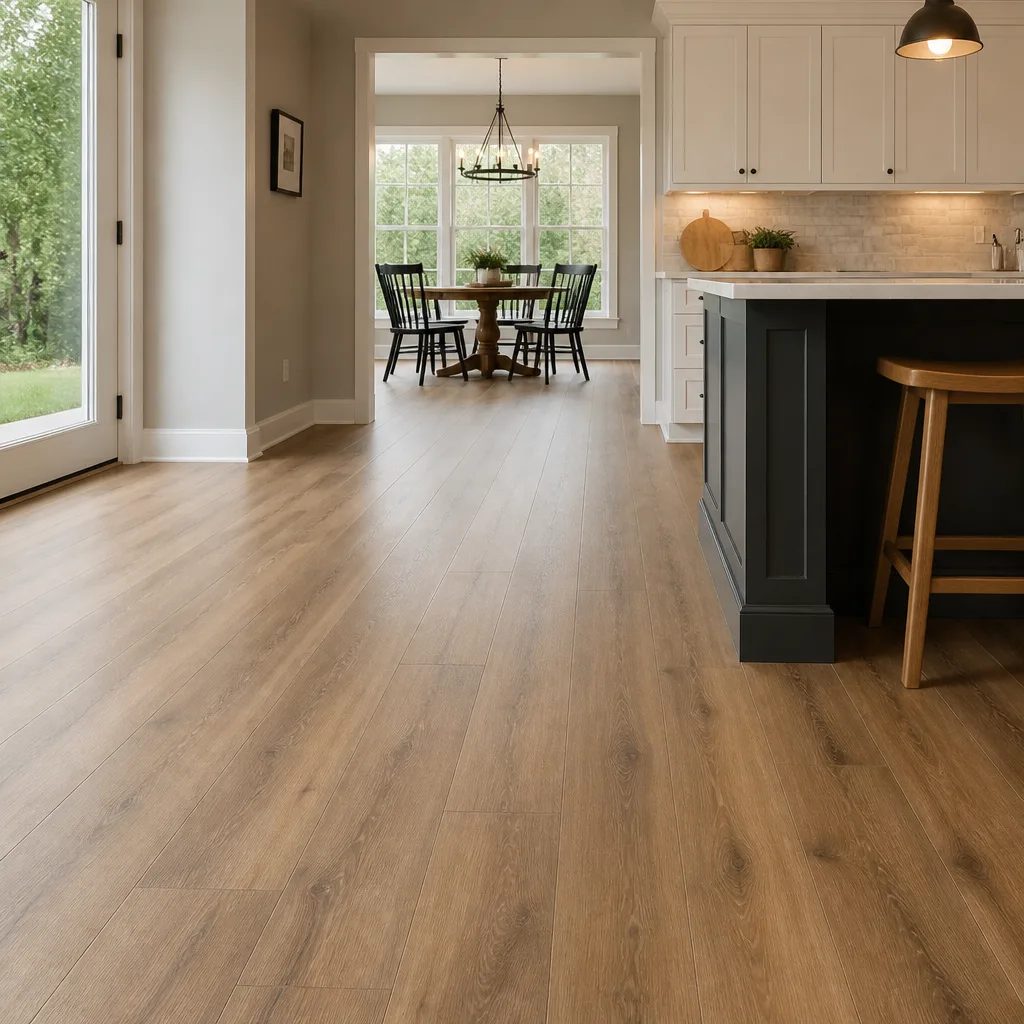 COREtec
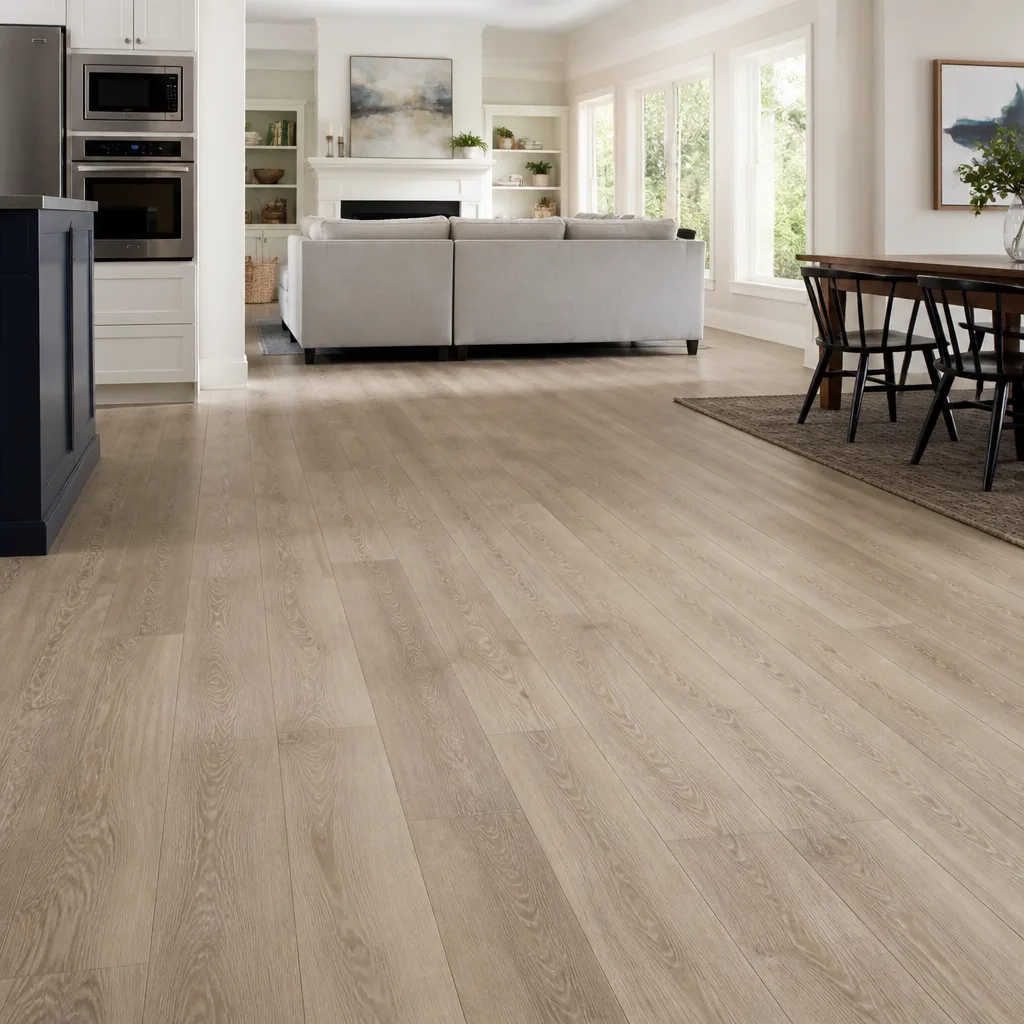 Pergo
Free in-home measure and written estimate: Shaw, Mohawk, COREtec and Pergo lines compared on your own rooms, with carpet, tile, vinyl plank, laminate and hardwood laid out side by side
Get your free estimateFlooring Cost Breakdown: The Sunrise Manor Homeowner’s Reference for 2026
Most online flooring calculators give you a number that has nothing to do with a house in Sunrise Manor. They assume a bare, flat subfloor and a simple pull-out. That isn’t what most homes here look like. A large share of Sunrise Manor resale homes still have the original ceramic tile set directly on the slab, and pulling that tile before a single new plank goes down can add $1.50 to $3.00 per square foot to your project. That line item rarely shows up in a web estimate. This reference rebuilds the math from the floor up, with real 2026 Las Vegas Valley labor rates, an itemized breakdown, and the questions to ask so two bids actually line up.
Quick Answer
Flooring installation in Sunrise Manor typically runs $4 to $14 per square foot installed in 2026, depending on material. Carpet lands near the low end, luxury vinyl and laminate sit in the middle, and porcelain tile or solid hardwood push toward the top. The final price depends on three things more than any other: what has to come out first, how flat the slab is, and how much waste the room shapes create. A written, itemized estimate is the only number that holds.
Styles & brands we work with
- Hardwood
- Engineered hardwood
- Luxury vinyl plank
- Laminate
- Porcelain tile
- Carpet
- Shaw
- Mohawk
- COREtec
- Pergo
Table of Contents
- What actually drives flooring cost in Sunrise Manor
- Cost by material: carpet, LVP, laminate, hardwood, tile
- The itemized breakdown: material, underlayment, demo, disposal, leveling, trim
- Why tile-over-tile looks cheap and rarely stays that way
- Big-box subcontract vs. a specialist who owns the process
- How square footage really gets calculated
- Refinishing hardwood vs. replacing it: the cost math
- Desert climate and slab movement: what it means for your floor
What Actually Drives Flooring Cost in Sunrise Manor
Four variables move the number more than the material you pick. The first is demo: what’s on the floor now, and how it’s attached. Ceramic tile bonded to a slab is the most labor-intensive removal in the trade, and it’s everywhere in Sunrise Manor. The second is subfloor condition. Slabs in this part of the valley are generally sound, but flatness matters, and low spots or high ridges have to be corrected before any floating floor goes down or you’ll hear and feel it later. The third is the waste factor, covered further down. The fourth is access and complexity: stairs, tight hallways, built-in cabinetry, and the number of rooms each needing their own transition pieces.
Las Vegas Valley labor rates sit in a particular middle band. They’re higher than rural Nevada and lower than coastal metro markets. That band is why a national calculator built on a national average will usually miss in both directions: it overprices simple carpet work and underprices tile demo on a slab.
One more local factor: the desert. We live with very dry air most of the year and a hard seasonal swing in humidity during the summer monsoon weeks. Wood and wood-based products move with that swing. That doesn’t automatically rule out hardwood or laminate, but it does mean the product’s own instructions on acclimation and expansion gaps need to be followed exactly, and it’s a discussion worth having before you buy. We install and service the floor you choose; the product instructions and the written estimate set the specifics for your home.
Cost by Material: Carpet, LVP, Laminate, Hardwood, and Tile in 2026
These are typical installed ranges for Sunrise Manor and the surrounding Las Vegas Valley in 2026. They assume standard room shapes, a normal waste factor, and a subfloor that doesn’t need major correction. They do not include demo of existing ceramic tile unless noted.
- Carpet: roughly $4 to $8 per square foot installed. Bedrooms and stairs are where carpet earns its place, and the range climbs with pile height, density, and stair work. Shaw and Mohawk both make lines across that span.
- Luxury vinyl plank (LVP): roughly $5 to $9 per square foot installed. COREtec and Pergo sit in this category, and both are floating systems over a prepared slab.
- Laminate: roughly $4 to $8 per square foot installed. It’s a solid choice for dry interior rooms and it handles the desert’s dry air reasonably well when installed to the manufacturer’s specs.
- Engineered and solid hardwood: roughly $7 to $14 per square foot installed. The spread is wide because species, plank width, and whether the product is engineered or solid all matter.
- Porcelain and ceramic tile: roughly $8 to $14 per square foot installed. Layout complexity, tile size, and grout choice push the number around within that band.
Add $1.50 to $3.00 per square foot if ceramic tile has to come out first. That’s the demo line, and it’s the one we see left off internet quotes most often.
For an exact installed number on carpet, see our page on carpet installation. Tile has its own set of variables, covered on the tile flooring installation page.
The Itemized Breakdown: Where Every Dollar Goes
A bid that’s apples-to-apples has six line items. Ask for all six in writing. If any are missing, the number isn’t comparable.
- Material. The floor itself, priced per square foot with the waste factor already built in. Ask which brand and which product line, in writing.
- Underlayment or membrane. Carpet needs cushion, tile over a slab needs a crack-isolation membrane or a bonding system depending on the product, and floating floors need the manufacturer’s specified underlayment. This is not optional and it should be a separate line.
- Demo. Removal of the existing floor. Tile on slab is the expensive version; carpet and floating floors come up faster. Priced per square foot.
- Disposal. Hauling the old material off. Tile is heavy and it’s a real line item. Ask where it goes.
- Subfloor leveling. Patching, grinding, or pouring a self-leveler to get the slab flat enough for the product. Often zero on a good slab, real money when it isn’t.
- Trim and transitions. Baseboard removal and reinstallation, shoe mold, threshold strips at doorways, and stair nosing. Charged per linear foot or per piece.
When you compare two bids, compare them line by line. One contractor at $6.50 per square foot with demo included is cheaper than another at $5.25 with demo billed separately at $2.25. The itemized version tells you which one you’re actually looking at.
Why Tile-Over-Tile Looks Cheap and Rarely Stays That Way
Installing new tile directly over old tile is a real technique, and it’s tempting because it skips the demo line entirely. We understand the appeal. The problem is that it creates two long-term issues that cost more than the demo it saved.
The first is height. Every layer you add raises the finished floor. That means a transition strip at every doorway to the rooms you didn’t tile, a re-cut at the baseboard, and sometimes a trip hazard at the threshold. In a Sunrise Manor home with a mix of tiled and carpeted rooms, that height difference is visible and it’s permanent unless you tear everything out later.
The second is movement. The old tile is bonded to the slab, and the new tile is bonded to the old tile. Any slab movement that would have been absorbed by a proper crack-isolation membrane now transfers through two rigid layers. Cracking isn’t guaranteed, but the system has less give than a correctly built single layer.
There are cases where tile-over-tile is the right call: a sound, flat existing installation, a product system rated for it, and a homeowner who understands the height change. It’s a decision to make on purpose, with the tradeoffs on the table, not a shortcut to take because the demo line looked expensive. A professional can tell you which situation you’re in during the estimate visit.
Big-Box Subcontract vs. a Specialist Who Owns the Process
When you buy flooring at a big-box store and add installation at the register, the store usually isn’t the one doing the work. The install is subcontracted to an independent crew. That model can work fine. It also means that when something goes wrong, the store points to the installer and the installer points to the store, and you’re the one making phone calls.
With a flooring specialist, the people who measure are the people who quote, and the quote is the people who install. One call, one number, one accountable party from the measure through the finished floor. That’s the model we work from at Sunrise Manor Flooring. We connect homeowners with independent local professionals who perform the work, and we stand behind the selection and coordination that got you there.
On selection, the difference is real too. A store carries what fits its shelf space. A specialist can walk you through nine brands across every category: Shaw and Mohawk for carpet, COREtec and Pergo for floating floors, Daltile for tile. That breadth matters when the goal is matching the floor to the room rather than matching the room to what’s in stock.
Cost-wise, the two models land in a similar place on material. The difference shows up in the extras: what’s included in the install price, whether demo is quoted honestly, and who’s responsible when the slab isn’t flat.
How Square Footage Really Gets Calculated
Two bids on the same room can differ by hundreds of dollars just from how the square footage was counted. Here’s how it should work.
- Measure each room at its widest points. Not the average. Width times length, room by room.
- Add a waste factor. Straight-lay carpet in a simple rectangle wastes little. Diagonal layouts, tile with a lot of cuts, and rooms with jogs and closets waste more. A typical waste factor runs somewhere in the single digits as a percentage, and it goes up with complexity.
- Count stairs separately. Stairs aren’t priced per square foot like a flat room. They’re priced per step, because the labor per step is far higher. Ask for the per-step number in writing.
- Add transitions and trim separately. Doorway thresholds, stair nosing, and baseboard work are linear-foot items.
- Compare the total area. If one bid is for 800 square feet and the other is for 920 for the same house, ask why before you compare prices.
The clarifying question is simple: “Is the waste factor in this number, and what percentage did you use?” A contractor who can answer that in one sentence has done the math. One who can’t is guessing.
Refinishing Hardwood vs. Replacing It: The Cost Math
If you have existing solid hardwood in decent shape, refinishing is usually a fraction of the cost of replacement, and it’s a floor you already own. Restore what you have before you replace it. That’s a financial decision first and an aesthetic one second.
Refinishing runs well below the installed cost of new hardwood. The savings come from skipping the material line entirely, plus skipping the demo and disposal of the old floor. What you’re paying for is the sanding, the stain, and the finish, plus the labor to do it correctly in a home that’s occupied.
The catch is that not every floor can be refinished. It depends on the thickness of the wood and its condition, and that’s something we check at the estimate visit. A floor that’s been sanded down close to the tongue in a previous refinish may not have another round in it. A floor with water damage or deep gouges may have spots that won’t come out. And a stain match to a sample isn’t a promise, especially on older wood that’s aged unevenly. We’ll tell you honestly which category your floor falls into.
For a whole-house project, refinishing a hardwood living area and installing carpet in the bedrooms is a common and cost-effective combination. It’s also a job that benefits from being handled by one specialist rather than coordinating two separate contractors.
Desert Climate and Slab Movement: What It Means for Your Floor
Southern Nevada’s climate puts particular demands on a floor. The air is dry for most of the year, then gets humid during the monsoon weeks. Wood and wood-based products expand and contract with that swing. Laminate and engineered hardwood are designed for it, but only when installed to the manufacturer’s acclimation and expansion requirements. Those requirements are set by the product, not by us, and they belong in the plan from the start.
The slab matters too. Most homes in Sunrise Manor sit on slab-on-grade construction. Slabs are generally stable here, but flatness is the thing to check. A floating floor over an uneven slab will telegraph every high and low spot, and a rigid tile installation over a slab without a proper membrane has less tolerance for movement. This is why subfloor leveling shows up as a line item in a good bid and gets skipped in a bad one.
If you’re planning work across a whole home, one call can handle all three disciplines rather than coordinating a carpet crew, a tile crew, and a refinisher separately. That’s the practical advantage of working with a specialist. If you want the full picture of what we offer in the area, start at Sunrise Manor.
Common Mistakes to Avoid
- Trusting an online calculator as your budget. Those tools assume a bare subfloor and no demo. In a Sunrise Manor home with original tile, the real number can be 30% to 50% higher than the calculator shows. Get a written estimate before you set a budget.
- Choosing tile-over-tile purely to save the demo line. It looks cheaper upfront, but the height change at every doorway and the reduced tolerance for slab movement usually cost more in the long run.
- Comparing bids without comparing scope. A $5.25 bid with demo and disposal billed separately is more than a $6.50 bid with everything included. Ask for line items.
- Skipping the subfloor check. A floating floor over an uneven slab will feel wrong underfoot and never fix itself. Insist that leveling is discussed before the material is ordered.
- Forgetting the waste factor when budgeting. Rooms with jogs, closets, diagonal layouts, and lots of cuts need more material than the room’s square footage suggests. Budget for it.
- Not counting stairs separately. Stairs are priced per step, not per square foot, and they add up fast. If you have a staircase, get the per-step number in writing.
- Assuming a floor can always be refinished. It depends on the thickness and condition of the wood. Have it checked before you commit to a refinish instead of a replacement.
See the difference
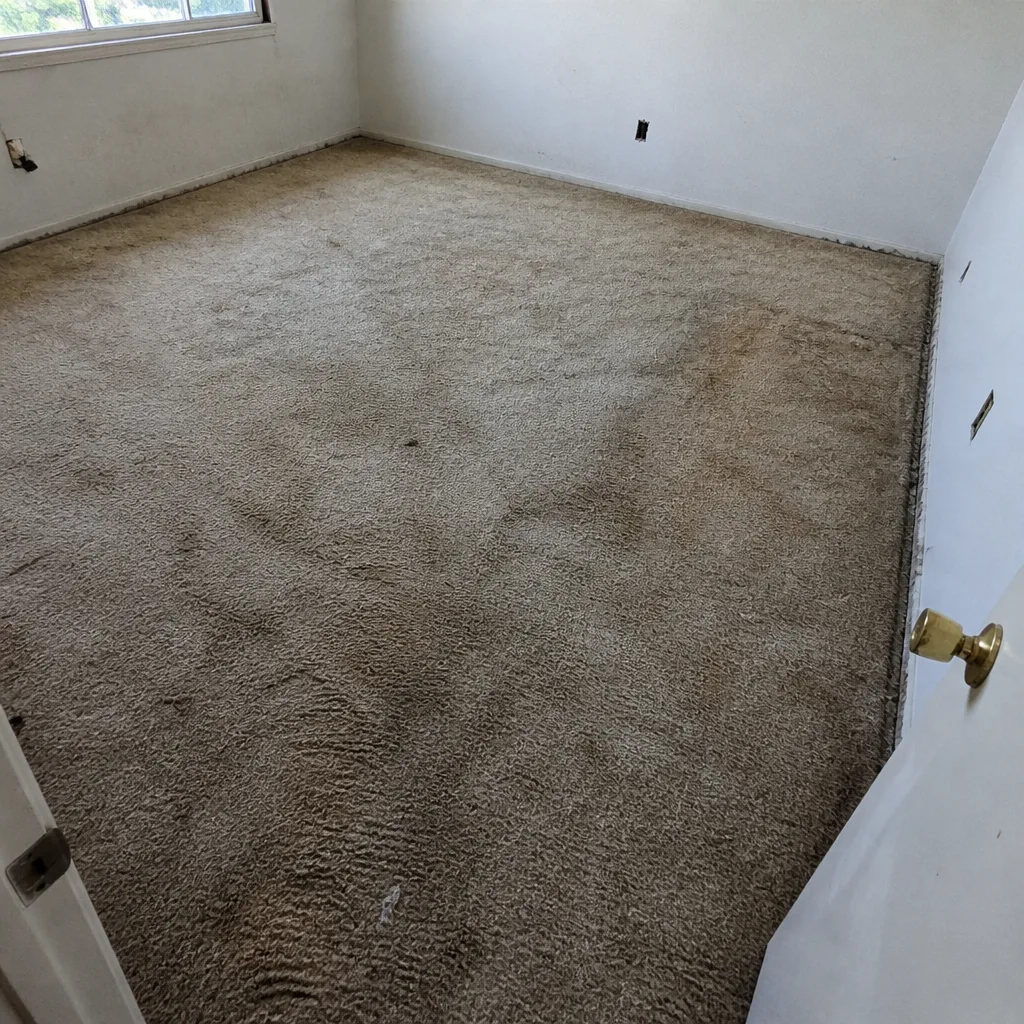 Before
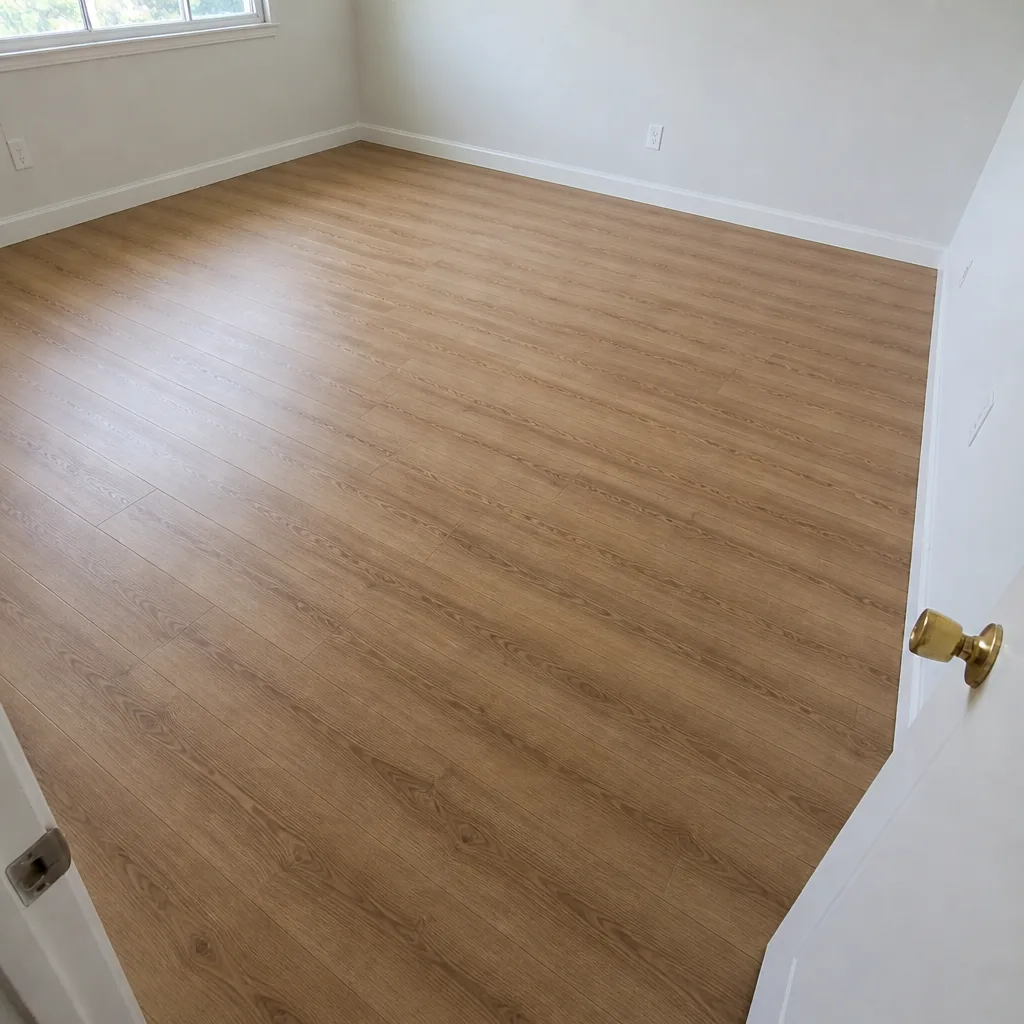 After
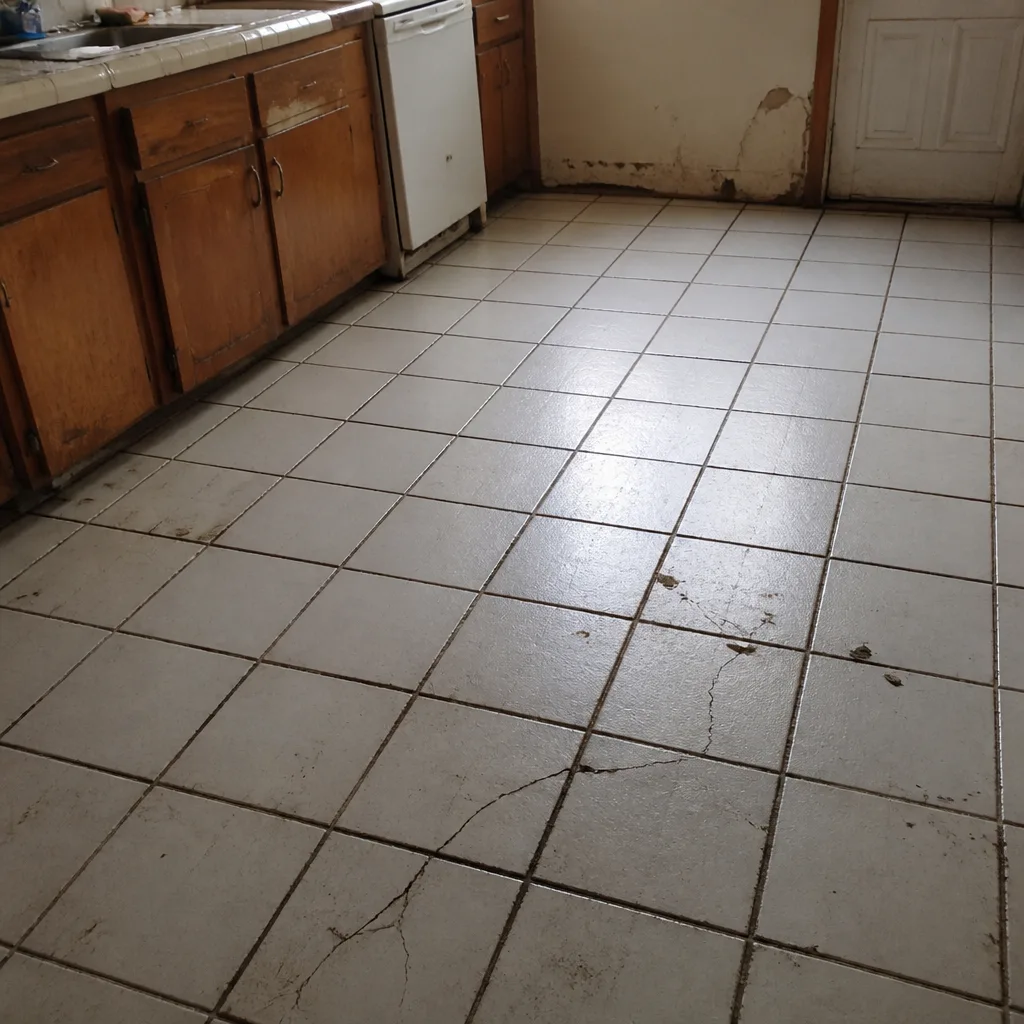 Before
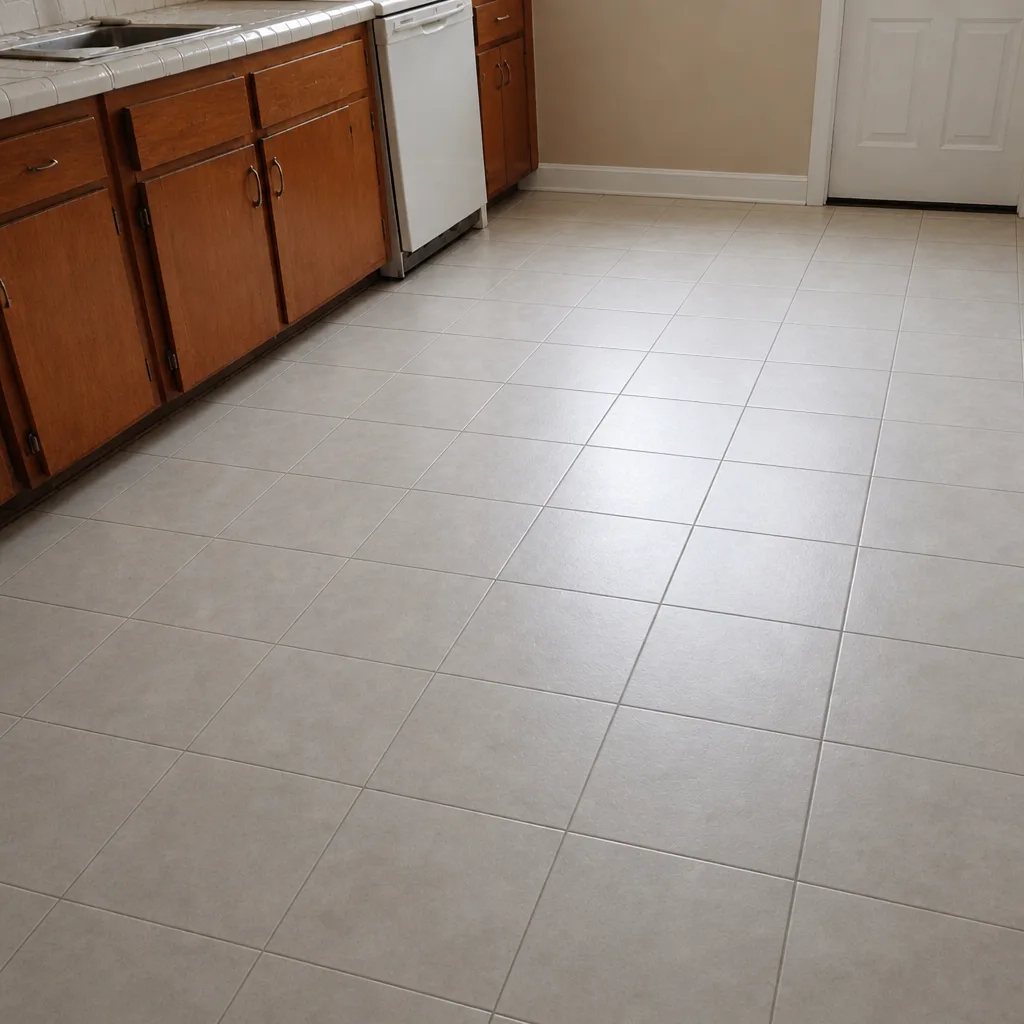 After
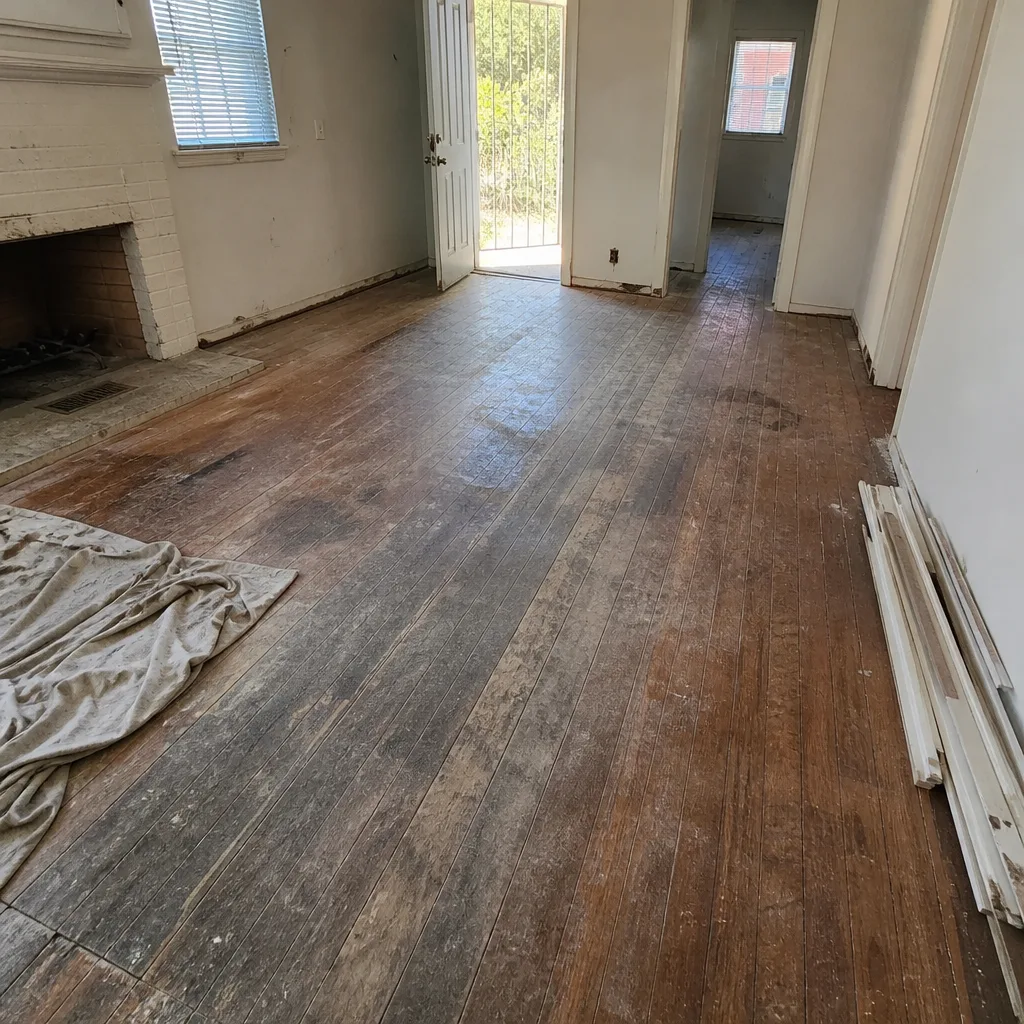 Before
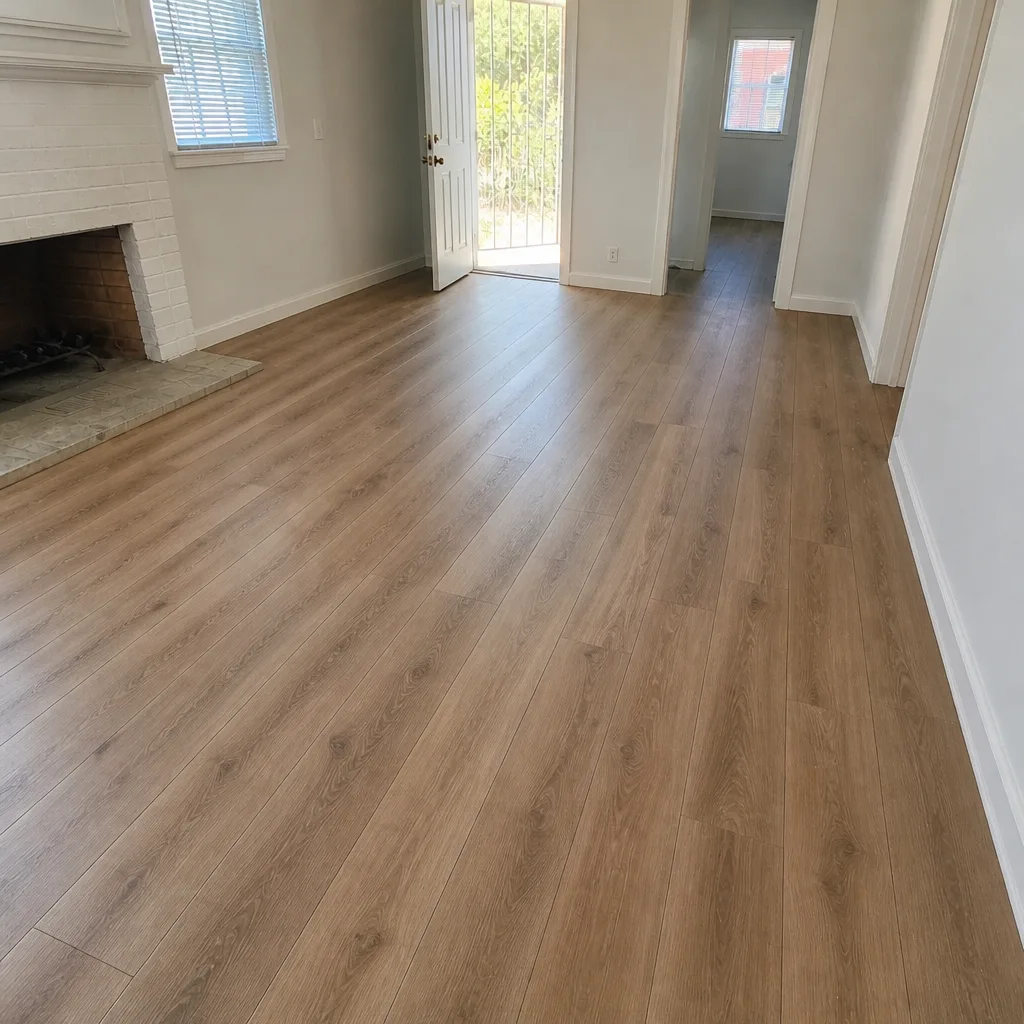 After
When to Call a Professional
Some flooring work is a reasonable weekend project. Most of it isn’t, and the difference is usually the prep. If you have ceramic tile bonded to a slab, hire it out. Tile demo is heavy, dusty work with real injury risk, and improper removal can damage the slab underneath. If your slab isn’t flat, hire it out, because leveling compound has to be mixed and poured correctly or you’ve made the problem worse. If you’re refinishing hardwood, hire it out, since sanding and finishing are the two steps most likely to be ruined by an inexperience, and a bad refinish can’t be undone. If you’re running new flooring across multiple rooms and multiple materials, hire it out, because the transitions are where a DIY job shows. And if you’ve been told your subfloor needs work and you aren’t sure what that means, get a second opinion from someone who will walk you through it. Sunrise Manor Flooring offers free estimates in Sunrise Manor. Call (833) 695-5999. We answer 24/7. Fast dispatch from 7am to 7pm, Sunday through Friday. To get the full picture of how we work, visit Sunrise Manor Flooring.
Frequently Asked Questions
Typical installed costs in Sunrise Manor run $4 to $14 per square foot, depending on material and what has to be removed first. Carpet sits near the low end around $4 to $8, LVP and laminate run $4 to $9, hardwood runs $7 to $14, and tile runs $8 to $14. Add $1.50 to $3.00 per square foot for ceramic tile demo, which most Sunrise Manor resale homes need. Call (833) 695-5999 for an exact quote. Estimates are free.
Yes, the estimate is free. We come out, measure each room, check the slab, look at what’s on the floor now, and give you a written, itemized number before any work begins. There’s no charge for the visit and no obligation. Call (833) 695-5999 to book it. We answer 24/7, with fast dispatch from 7am to 7pm, Sunday through Friday.
The schedule is set at the estimate, because it depends on the size of the job and what’s involved in prep. A single carpeted bedroom is a short job; a whole-home project with tile demo and multiple materials is a multi-stage one. We give you a realistic timeline in the written estimate, and the install day gets booked from there. Call (833) 695-5999 to schedule your measure and estimate.
Online calculators almost always leave out demo, disposal, subfloor leveling, and trim, and they assume a bare, flat subfloor. In Sunrise Manor, where a big share of homes still have original ceramic tile set on the slab, that missing demo line alone adds $1.50 to $3.00 per square foot. The written estimate is the only number that reflects your actual home. Call (833) 695-5999 for one. Estimates are free.
Sometimes, but it’s a decision to make carefully, not a shortcut. Tile-over-tile saves the demo cost upfront but raises the finished floor at every doorway and reduces tolerance for slab movement, since two rigid layers are bonded together instead of one properly isolated layer. It’s worth doing when the existing tile is sound and flat and the product system supports it. A professional can tell you which situation you’re in during the estimate visit. Call (833) 695-5999 to set one up.
Often yes, and refinishing usually costs a fraction of replacement because you skip the material, demo, and disposal lines entirely. Whether your specific floor can be refinished depends on the thickness of the wood and its condition, which we check at the estimate visit. Older floors that have been sanded close to the tongue before may not have another round in them, and stain matches to a sample aren’t guaranteed. Call (833) 695-5999 for a free assessment.
The Bottom Line
The number a calculator gives you isn’t your budget. In Sunrise Manor, the real cost of a floor is built from the slab up: what’s on it now, how flat it is, how much the room shapes waste, and how the trim comes together. Budget $4 to $14 per square foot for the material and install, add $1.50 to $3.00 per square foot if tile has to come out, and expect stairs and transitions to be their own line items. Refinishing existing hardwood can save meaningful money over replacement, if the floor has the thickness for it. Compare bids line by line, not on the total. And get the written estimate before you buy anything. If there’s one thing that makes flooring cost predictable, it’s someone measuring your actual rooms.
Sunrise Manor Flooring handles carpet, tile, and hardwood refinishing as a multi-discipline specialist, across a portfolio that includes Shaw, Mohawk, COREtec, and Pergo. One call, every floor. Call (833) 695-5999 for a free estimate. We answer 24/7, with fast dispatch from 7am to 7pm, Sunday through Friday.
Written by the team at Sunrise Manor Flooring.