
Last updated November 17, 2026
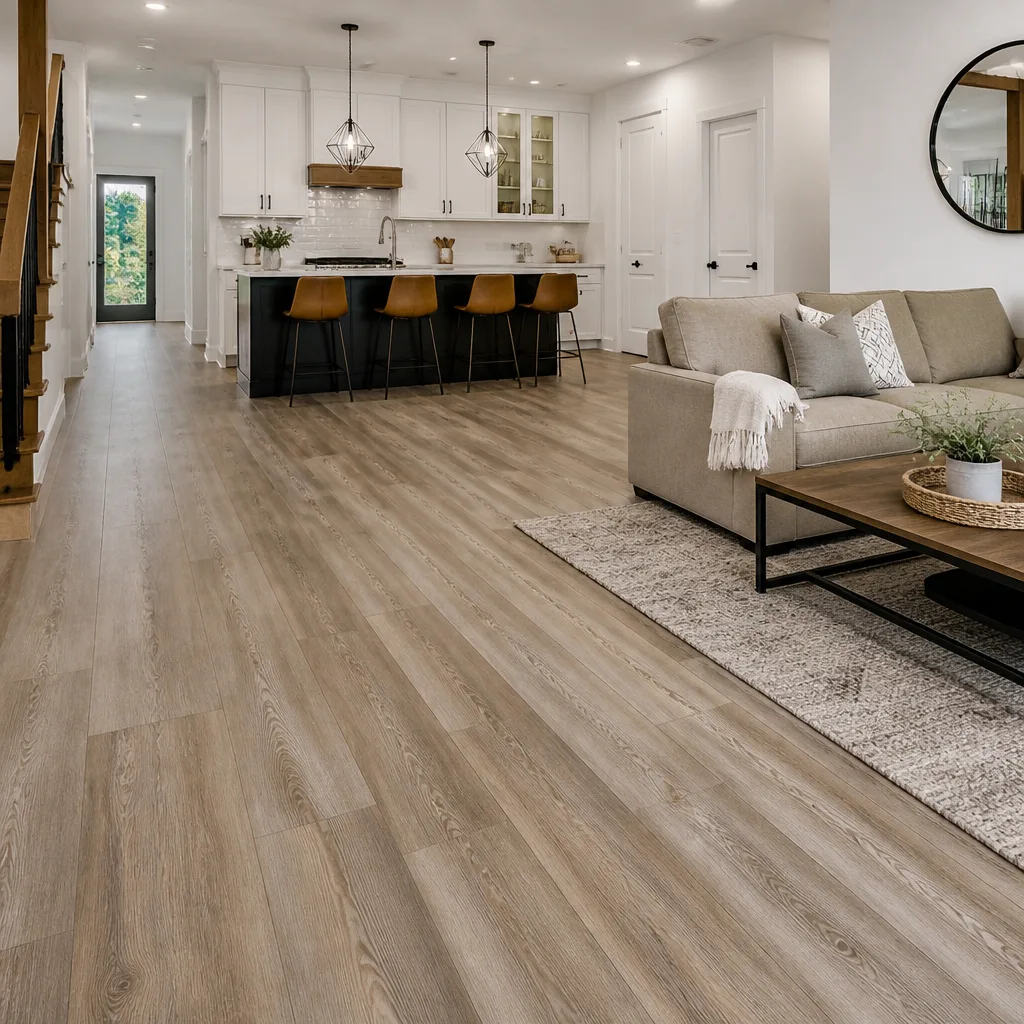 Luxury vinyl plank
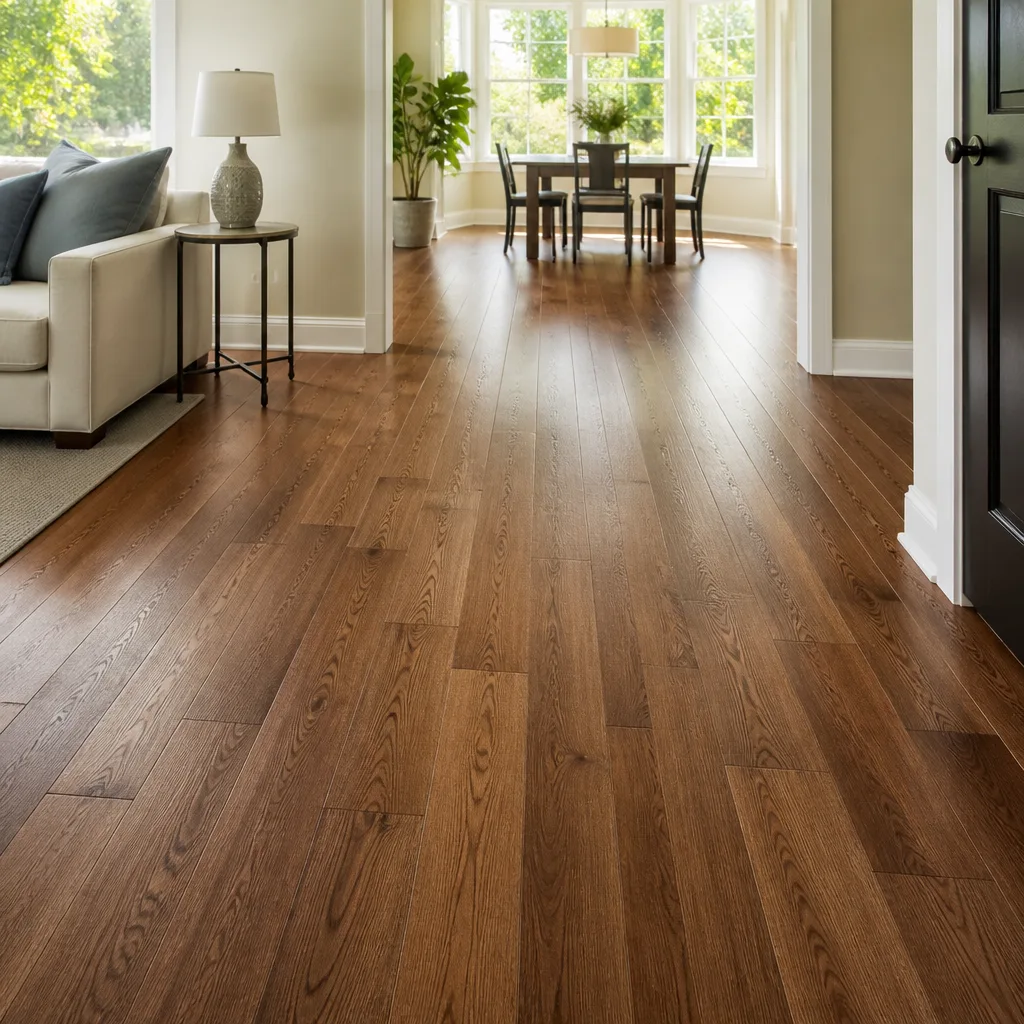 Hardwood
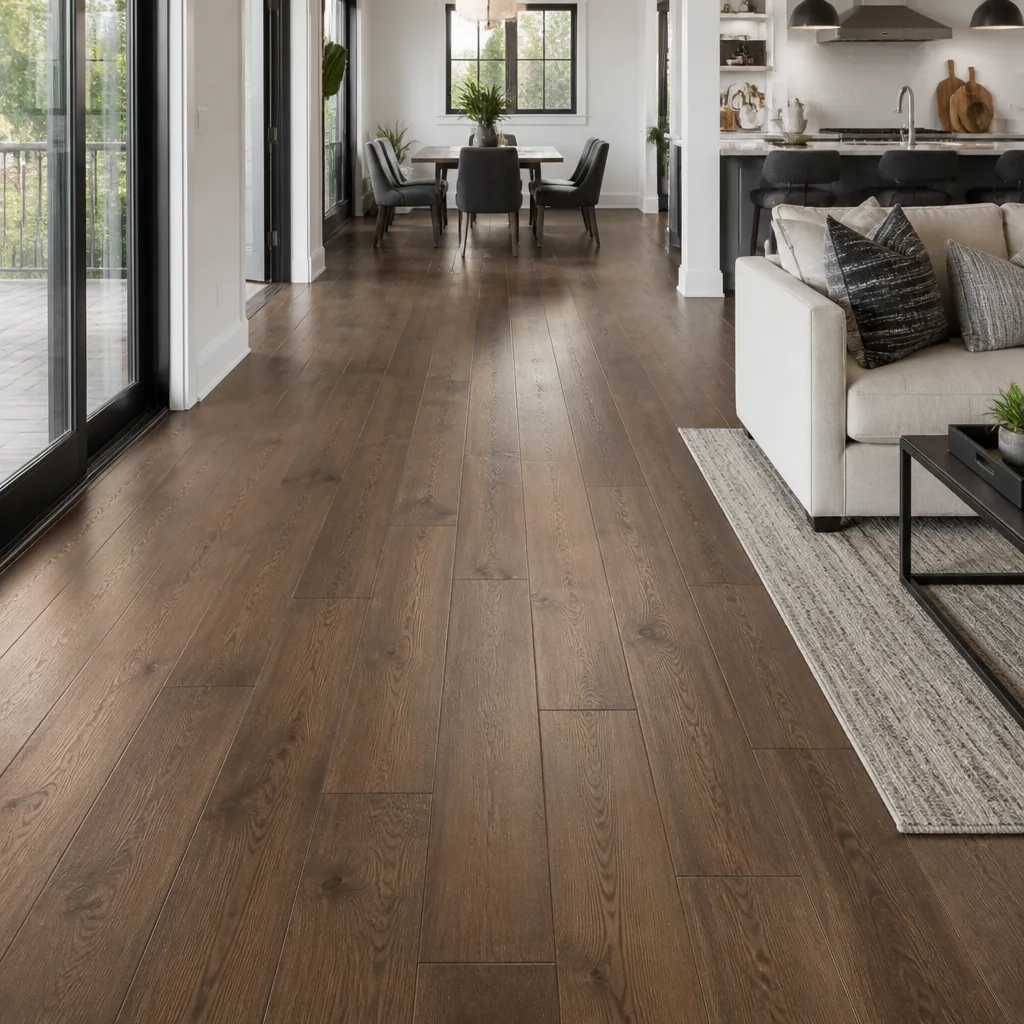 Engineered hardwood
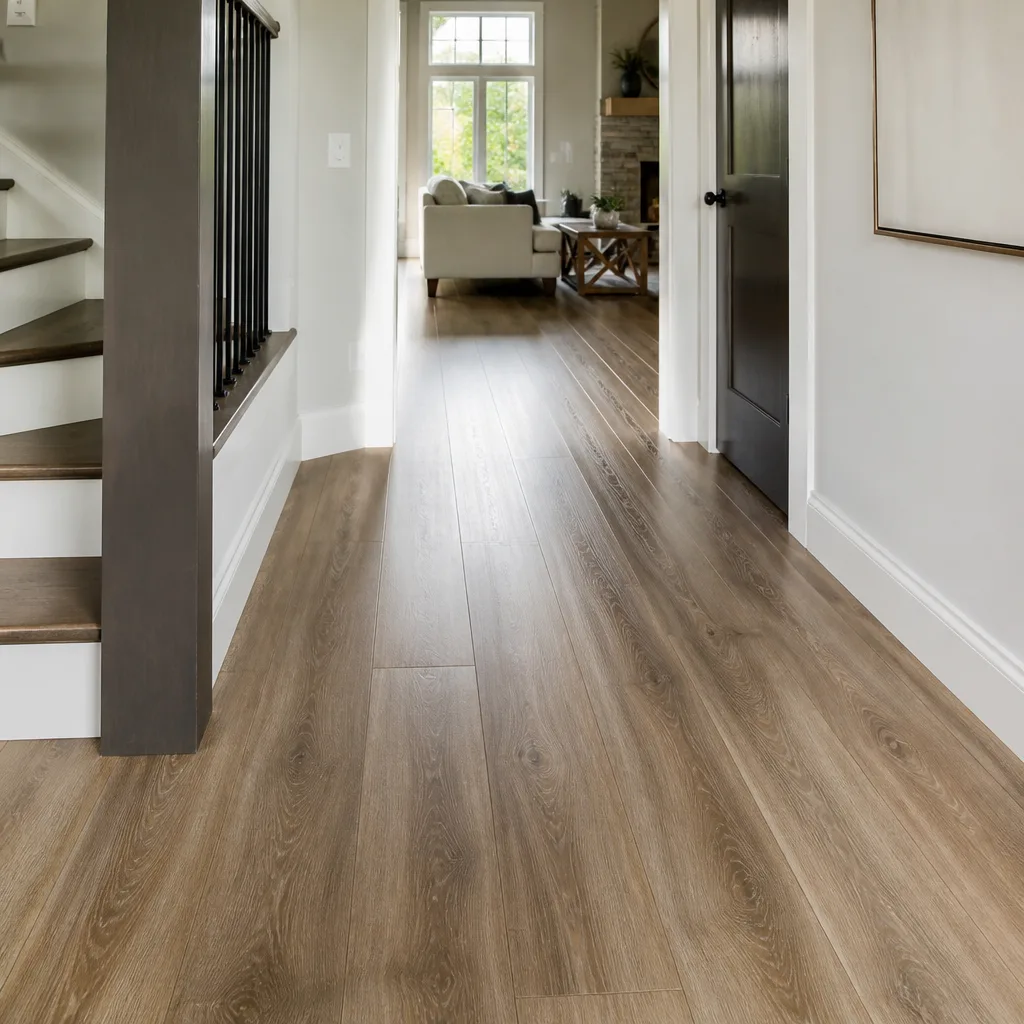 Laminate
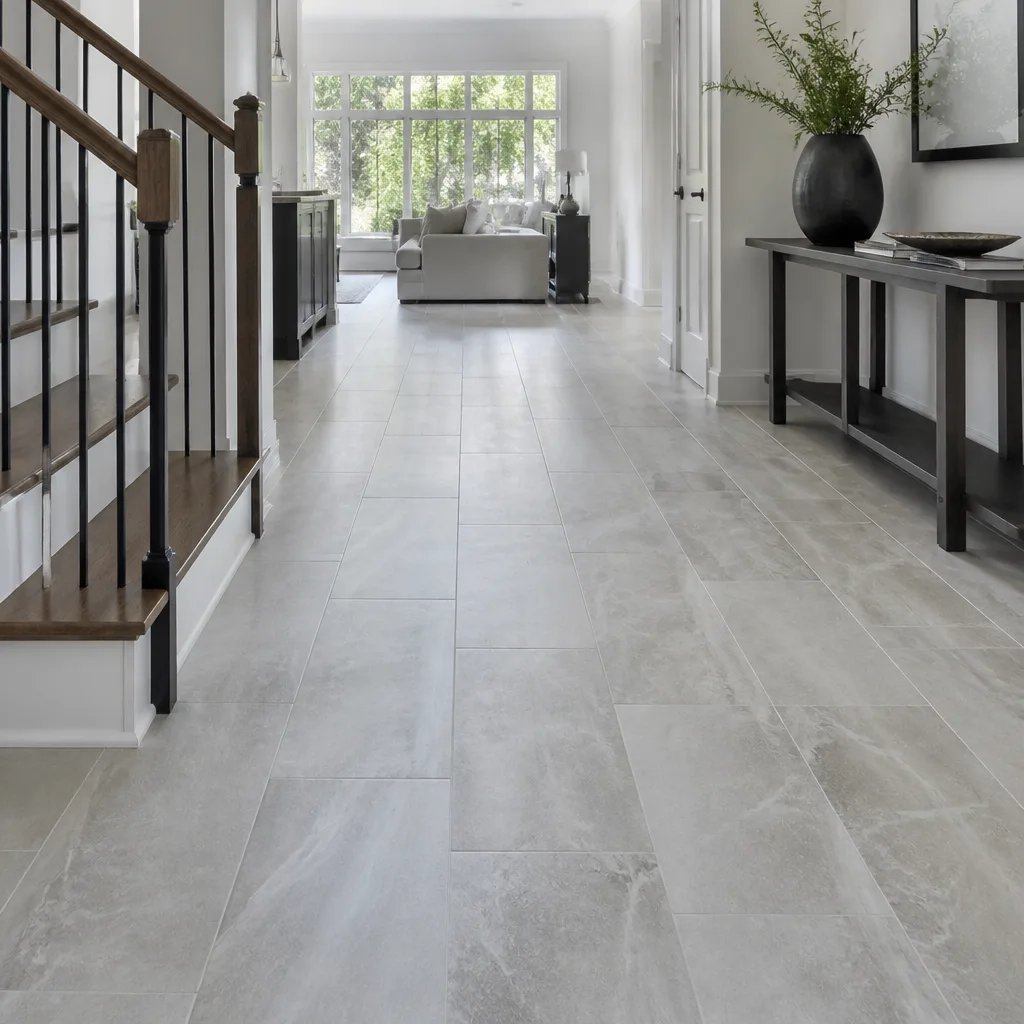 Porcelain tile
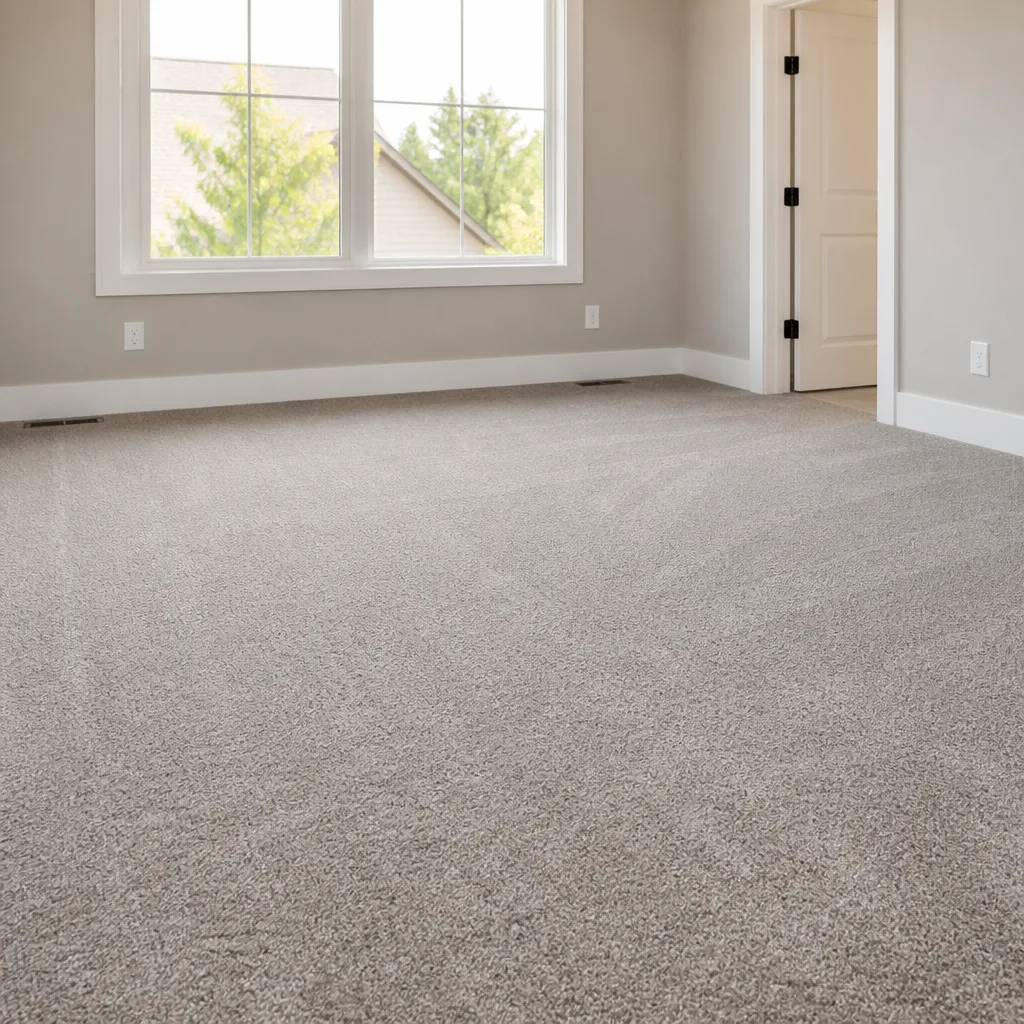 Carpet
 Shaw
 Mohawk
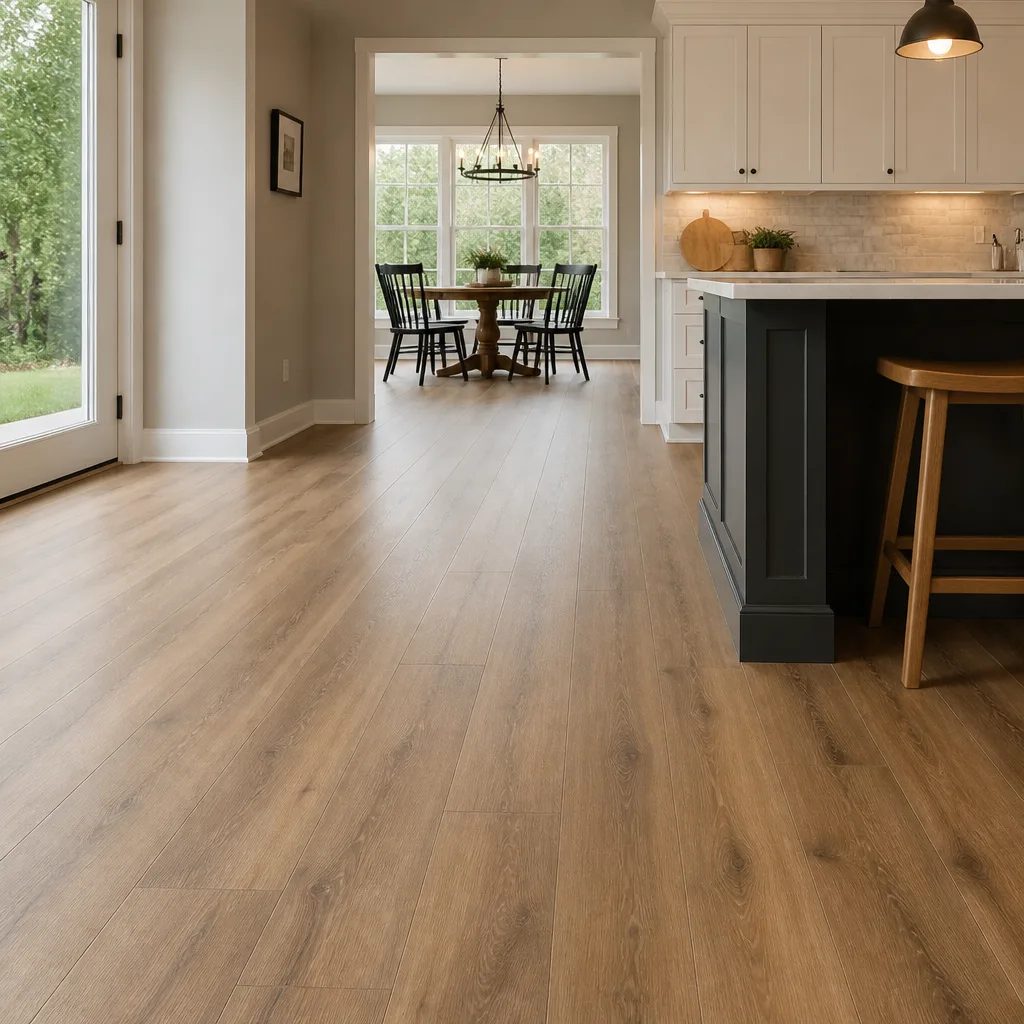 COREtec
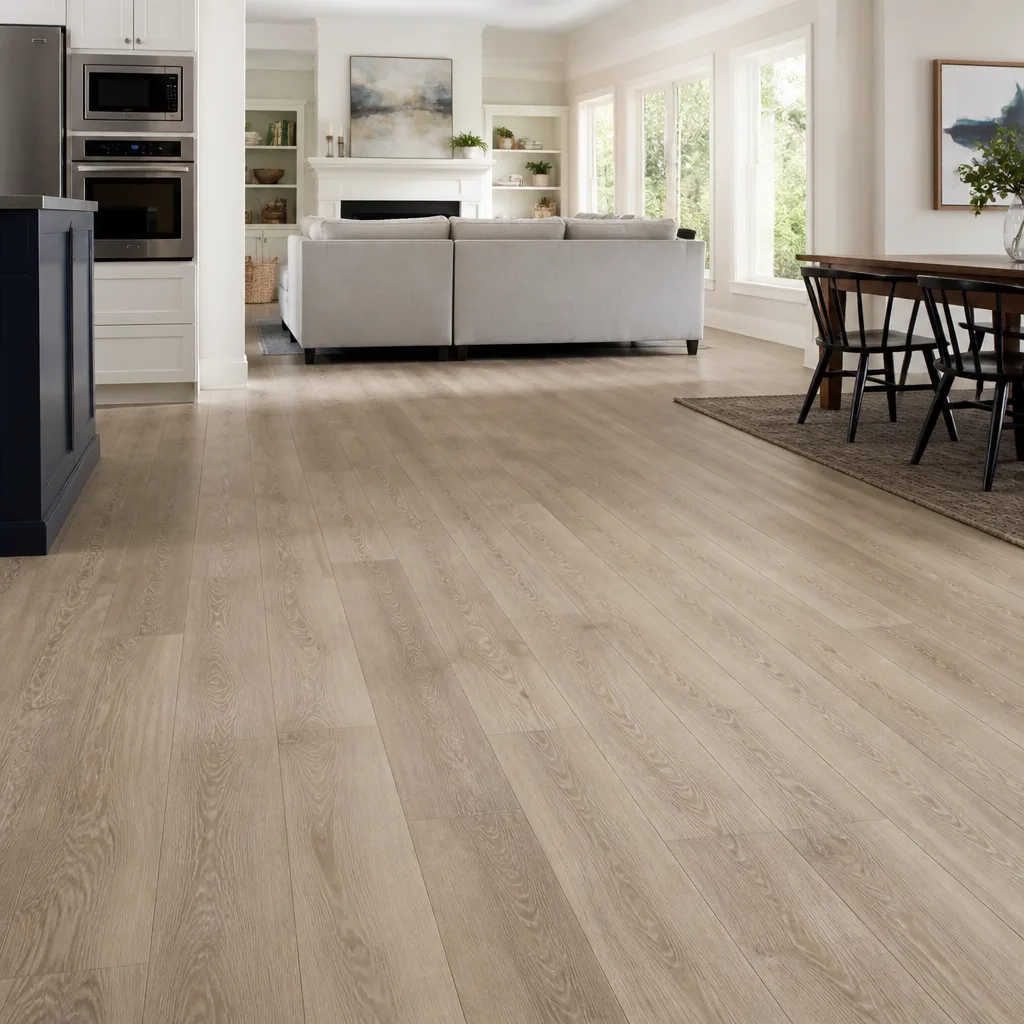 Pergo
Free in-home measure and written estimate: Shaw, Mohawk, COREtec and Pergo lines compared on your own rooms, with carpet, tile, vinyl plank, laminate and hardwood laid out side by side
Get your free estimateHardwood, Vinyl Plank, Laminate or Tile: How Sunrise Manor Homeowners Decide
Most flooring debates start with the wrong question. Homeowners ask which material is “best,” when the real question is which material is best for a house sitting in a desert valley where summer temperatures pass 110°F and indoor humidity can swing from bone-dry to surprisingly damp and back again within a single year. That swing is the deciding factor far more often than price, style, or what a showroom display looks like under soft lighting. In this guide, we’ll walk through how hardwood, luxury vinyl plank, laminate, and tile actually behave in Sunrise Manor homes, what the local climate does to each one, and how to pick the floor you won’t regret in year three rather than year one.
Quick Answer
For most Sunrise Manor homes, engineered hardwood and luxury vinyl plank are the two safest bets, with tile winning outright in wet rooms and entry zones, and laminate being the riskiest choice in laundry and garage-adjacent spaces. The deciding factors are dimensional stability under desert temperature swings, moisture exposure, and how much foot traffic (and dog traffic) the room sees. Solid hardwood is beautiful but fights the climate here unless your indoor humidity stays controlled year-round.
Styles & brands we work with
- Hardwood
- Engineered hardwood
- Luxury vinyl plank
- Laminate
- Porcelain tile
- Carpet
- Shaw
- Mohawk
- COREtec
- Pergo
Table of Contents
- Why Climate Decides Before Color Does in Sunrise Manor
- Hardwood: Engineered vs. Solid on a Sunrise Manor Slab
- Luxury Vinyl Plank: The Wear-Layer Question
- Laminate: Where It Works and Where It Fails
- Tile: The Structural Underdog That Wins Outright in Some Rooms
- Side-by-Side Comparison for Sunrise Manor Homes
- A Room-by-Room Decision Framework
- What to Expect From a Professional Installation
Why Climate Decides Before Color Does in Sunrise Manor
Wood and wood-based floors move. They expand when humidity rises and contract when it falls, and that movement is a physical property, not a manufacturing flaw. In an un-shaded Sunrise Manor home with standard HVAC cycling, indoor relative humidity can reasonably swing between roughly 15% and 60% across a year. That’s a wide range, and it’s the range that separates floors that stay flat from floors that cup, crown, or gap.
Tile doesn’t care about humidity. Vinyl planks care much less than wood because their core is engineered to resist moisture. Laminate cares in specific ways that matter in specific rooms. And hardwood sits right in the middle, which is why the engineering of the plank matters as much as the species.
Here’s what that translates to in practical terms:
- Winter indoor air gets dry enough to pull moisture out of wood, tightening joints.
- Summer monsoon season pushes humidity up, and wood swells back.
- Slab-on-grade construction common in Sunrise Manor ranch homes means moisture can come from below, not just the air.
- HVAC that cycles hard (as it does here) creates fast, repeated swings rather than gentle seasonal ones.
None of that means wood is off the table. It means the wood has to be engineered for movement, and the installation has to account for it. That’s a different starting point than a homeowner in a mild coastal climate would have.
Hardwood: Engineered vs. Solid on a Sunrise Manor Slab
If you want real wood in a Sunrise Manor home, engineered hardwood is the smarter choice over solid hardwood, especially on a concrete slab. Engineered planks are built in layers with a real wood wear surface on top; that layered construction handles humidity swings better than a single piece of solid wood because the cross-grain layers offset each other’s movement. Solid hardwood on a slab requires special adhesives and careful moisture control, and even then it fights the dry-to-damp swing that this climate delivers.
The brand of the plank matters here. Manufacturers build for climate zones and publish acclimation and installation requirements, and we install and service the floor you choose using those product instructions. If you’re comparing specific lines, ask for the product’s installation requirements and tell your installer where the floor is going and what your indoor humidity looks like across the year. Shaw builds engineered hardwood lines specifically for western climates, and it’s worth asking about those by name. Mannington and Armstrong also offer engineered options in the categories we carry.
One practical advantage to hardwood that homeowners often overlook: Sunrise Manor Flooring offers refinishing as a core service, which means an existing wood floor can often be restored rather than torn out. If you already have real wood under carpet in a Sunrise Manor ranch home, it’s worth an estimate before you decide to replace.
Clarifying engineered vs. solid
- Engineered hardwood: layered construction, real wood top, more dimensionally stable, better suited to slab and to humidity swings.
- Solid hardwood: one piece of wood through its thickness, requires careful moisture control, tends to be more sensitive to the local swing.
- Refinishing: whether a floor can be refinished depends on the thickness of the wood and its condition, checked at the estimate visit, and not every floor can be.
Luxury Vinyl Plank: The Wear-Layer Question
Luxury vinyl plank is the category most Sunrise Manor homeowners land on after they’ve compared everything else, and for good reason: it’s water-resistant (not waterproof in the absolute sense; standing water and moisture from below still need to be dealt with), it handles temperature swings with far less movement than wood, and it holds up to the traffic that comes with kids and large dogs.
But LVP isn’t one product. It’s a category with a wide quality range, and the number that separates a floor that survives ten years from one that scuffs in two is the wear layer, measured in mils.
The wear-layer hierarchy
- 6 mil: entry-level. Fine for a spare bedroom or a low-traffic rental. Not the right call for a household with large dogs.
- 12 mil: the practical middle ground. Handles normal family traffic, moderate pet activity, and daily wear in living rooms and kitchens.
- 20 mil and above: the heavy-duty tier. This is where you want to be if you have a big dog, a home office with rolling chairs, or a high-traffic room that gets used all day.
In our experience with Sunrise Manor homes, a household with large dogs should treat 20 mil as the floor, not the ceiling, for the main living areas. The wear layer is what sits between the dog’s nails and the printed design; it’s not the whole story, but it’s the first thing to check on any spec sheet. COREtec builds performance-first lines with a rigid core, and Karndean offers design-led luxury vinyl for homeowners who care about the look as much as the wear number. Both are worth seeing side by side at an estimate.
Laminate: Where It Works and Where It Fails
Laminate is a genuinely good floor in the right room and a genuinely bad one in the wrong room. The core is made of wood-based materials, which means it reacts to moisture. In a dry Sunrise Manor bedroom or hallway, laminate behaves well and offers a realistic look at an accessible price point. In the rooms where moisture sneaks in, it doesn’t.
The classic failure point in Sunrise Manor ranch-style homes is the laundry room. Many of these homes have a laundry room adjacent to or opening onto the garage, and that adjacency means heat, humidity, and occasional water intrusion. A laminate floor in that room is a risk in a way that a vinyl plank or tile floor is not. Pergo and Mohawk both make laminate lines that perform well in the right setting, but the material’s nature doesn’t change because of the brand.
Where laminate goes wrong most often:
- Laundry rooms that share a wall or doorway with a garage.
- Rooms with a slab-on-grade subfloor where moisture can migrate upward.
- Bathrooms and powder rooms without a well-sealed perimeter.
- Kitchens with a dishwasher or ice maker that could leak.
Laminate is also a category where the installation method matters. Floating laminate floors rely on the click system and the underlayment to hold their shape; if either is wrong, the floor telegraphs it within the first year. If you’re considering laminate in a Sunrise Manor home, ask specifically which rooms it’s going into and be honest about moisture exposure in each.
Tile: The Structural Underdog That Wins Outright in Some Rooms
Tile is the least forgiving floor to install and the most durable floor once it’s down. That trade-off is why it wins outright in entryways, bathrooms, laundry rooms, and kitchens across Sunrise Manor, and why we recommend it without hedging in those rooms. Tile doesn’t move with humidity. It doesn’t care about the temperature swing. It handles water without complaint. And under the desert sun, tile floors stay noticeably cooler underfoot than any other material in the house.
The “least forgiving” part is real. Tile installation depends on a flat, stable subfloor, correct substrate preparation, and clean grout lines. If the subfloor is out of tolerance or the tile isn’t bonded correctly, the floor will show it; hollow-sounding tiles, cracked grout, or tiles that lift. That’s not a tile problem, it’s an installation problem. Daltile is one of the most specified tile brands in residential construction, and we install tile floors including Daltile lines.
Where tile wins outright in a Sunrise Manor home
- Entryways and mudrooms: the room that takes the sand, dust, and gravel from outside.
- Laundry rooms: the room next to the garage where laminate and solid wood both struggle.
- Bathrooms and powder rooms: water on the floor is not a design defect here, it’s expected.
- Kitchens: spills, dropped pans, hot pots, and daily cleanup.
- Sunrooms and patios opening off the interior: the temperature swing is largest here and tile ignores it.
For a full read on the installation side, see our tile flooring installation guide.
Side-by-Side Comparison for Sunrise Manor Homes
Here’s how the four materials stack up on the factors that matter most for a Sunrise Manor home. The numbers in this table are qualitative judgments, not test results, and the right answer for your home comes from an on-site estimate.
- Dimensional stability in desert swings: Tile (highest) → LVP (high) → Engineered hardwood (moderate) → Laminate (moderate, but moisture-sensitive) → Solid hardwood (lowest without humidity control).
- Moisture tolerance: Tile (highest) → LVP (high, water-resistant) → Engineered hardwood (moderate) → Laminate (low in wet rooms) → Solid hardwood (low without protection).
- Pet and large-dog durability: Tile (highest) → 20 mil LVP (high) → 12 mil LVP (moderate) → Engineered hardwood (moderate; refinishable) → Laminate (moderate; not refinishable).
- Underfoot warmth: Carpet (highest, when included) → Engineered or solid hardwood (warm) → LVP (moderate) → Tile (coolest).
- Refinishable down the road: Hardwood (yes, condition-dependent) → everything else (no, replace instead).
- Installation forgiveness: LVP (highest) → Laminate (moderate) → Engineered hardwood (moderate) → Tile (least forgiving).
What the table can’t show you: how each of these will feel in your specific rooms with your specific subfloor and your specific traffic. That’s what the free estimate is for.
A Room-by-Room Decision Framework
Rather than picking one floor for the whole house, we usually recommend homeowners in Sunrise Manor start room by room. Here’s the decision order we use when we walk a home:
- Start with the rooms that get wet. Bathrooms, laundry rooms, and kitchens get tile first. This is not a style call, it’s a durability one.
- Move to the rooms that get dirt. Entryways and mudrooms get tile or a hard-wearing LVP, ideally with a distinct pattern or color that hides grit.
- Then the high-traffic living spaces. Living rooms and family rooms: LVP at 20 mil if you have dogs, engineered hardwood if you want real wood, both workable.
- Then the bedrooms. These are the rooms where carpet gets a fair hearing, especially if quiet and warm underfoot is the priority. Our carpet installation service covers material selection through the finished floor, and Shaw and Mohawk are both available.
- Finally, the existing hardwood. If there’s real wood anywhere in the house, check whether it can be refinished before deciding to replace. Restoring what you have is usually the smart financial decision.
That sequence gives most homeowners a mixed-material floor plan that’s practical instead of uniform, and it’s also the single biggest reason we describe ourselves as “one call, every floor.” Carpet, tile, and hardwood refinishing in a single project, coordinated as one job instead of three.
What to Expect From a Professional Installation
A flooring installation is a scheduled job, not a same-day repair. That’s true for tile, and it’s true for wood, laminate, and vinyl too. The sequence in a Sunrise Manor installation runs roughly like this:
- Free in-home measure and estimate. We look at the subfloor, check for moisture concerns, measure the rooms, and talk through your material shortlist.
- Written estimate. A per-job written price covering materials, prep, installation, and disposal of the old floor. The written price is the final price.
- Material selection. You choose the specific product from the brand portfolio: Shaw, Mohawk, COREtec, Pergo, LifeProof, Mannington, Armstrong, Daltile, and Karndean are all available.
- Acclimation and prep. Wood and wood-based floors need to acclimate per the product instructions; the exact window depends on the product and your conditions.
- Installation day. Booked in advance. The schedule gets set at the estimate, not promised on the phone.
Our technicians have up to 8 years of experience, and we’ve handled enough Sunrise Manor installations to know which subfloor issues are cosmetic and which are structural. If your room has a slab-on-grade subfloor or a moisture concern, we’ll flag it at the estimate rather than after the floor is installed.
Common Mistakes to Avoid
- Choosing the product before checking the subfloor. A beautiful floor on a bad substrate is a floor that fails in two years. The subfloor goes first in the decision order.
- Putting laminate in a garage-adjacent laundry room. This is the most common material regret we see in Sunrise Manor ranch homes. Tile or LVP belongs in that room.
- Assuming “waterproof” means “ignore standing water.” Even water-resistant LVP needs moisture from below and standing water handled, not ignored.
- Buying LVP by price alone. The wear layer matters more than the price tag, and a 6 mil plank in a household with dogs will fail years before a 20 mil plank will.
- Skipping the humidity conversation. If you’re set on solid hardwood, plan for humidity control in the home. If you’re not prepared to, choose engineered instead.
- Replacing hardwood without checking whether it can be refinished. Refinishing existing wood can save the full cost of replacement, and it’s worth an estimate before you commit to a new floor.
- Buying the floor from one place and hiring the install separately. Split responsibility means split accountability. Single-source through estimate, install, and finish is easier when something needs to be made right.
See the difference
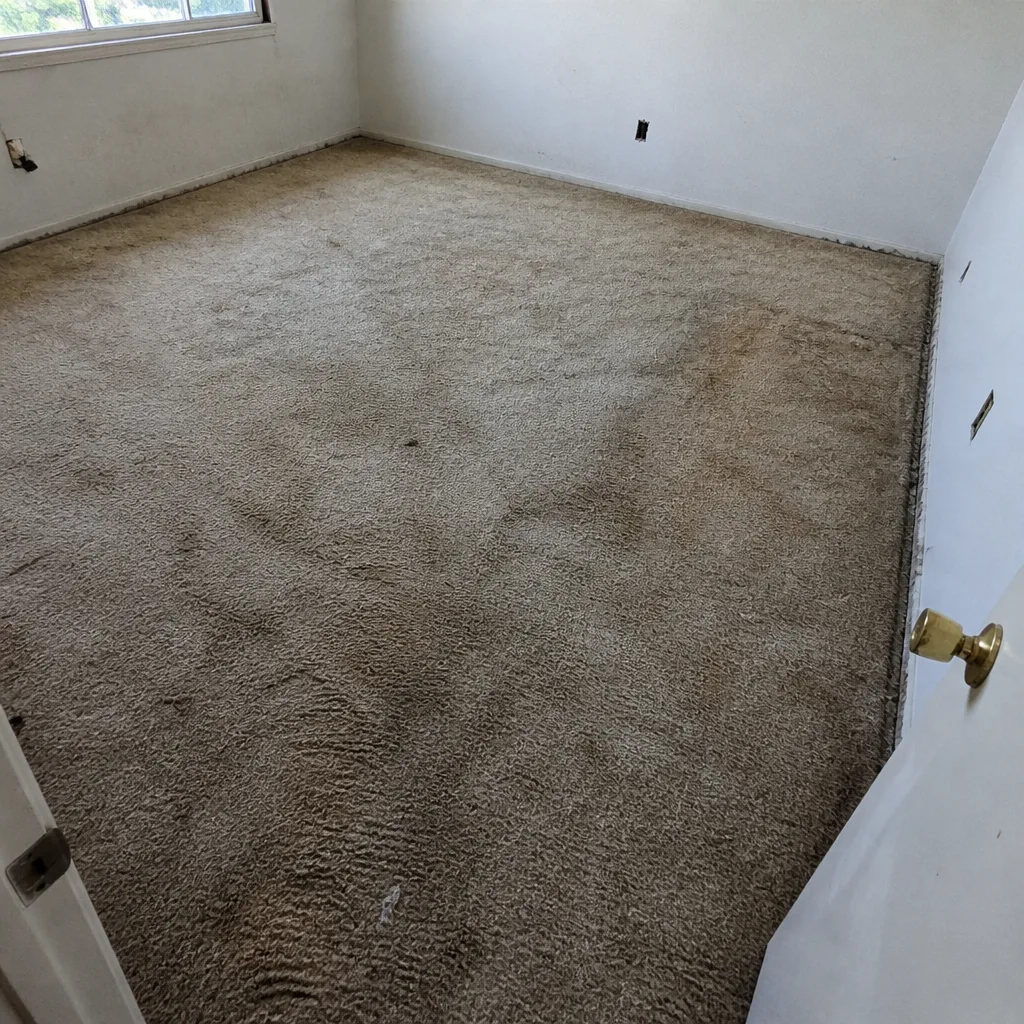 Before
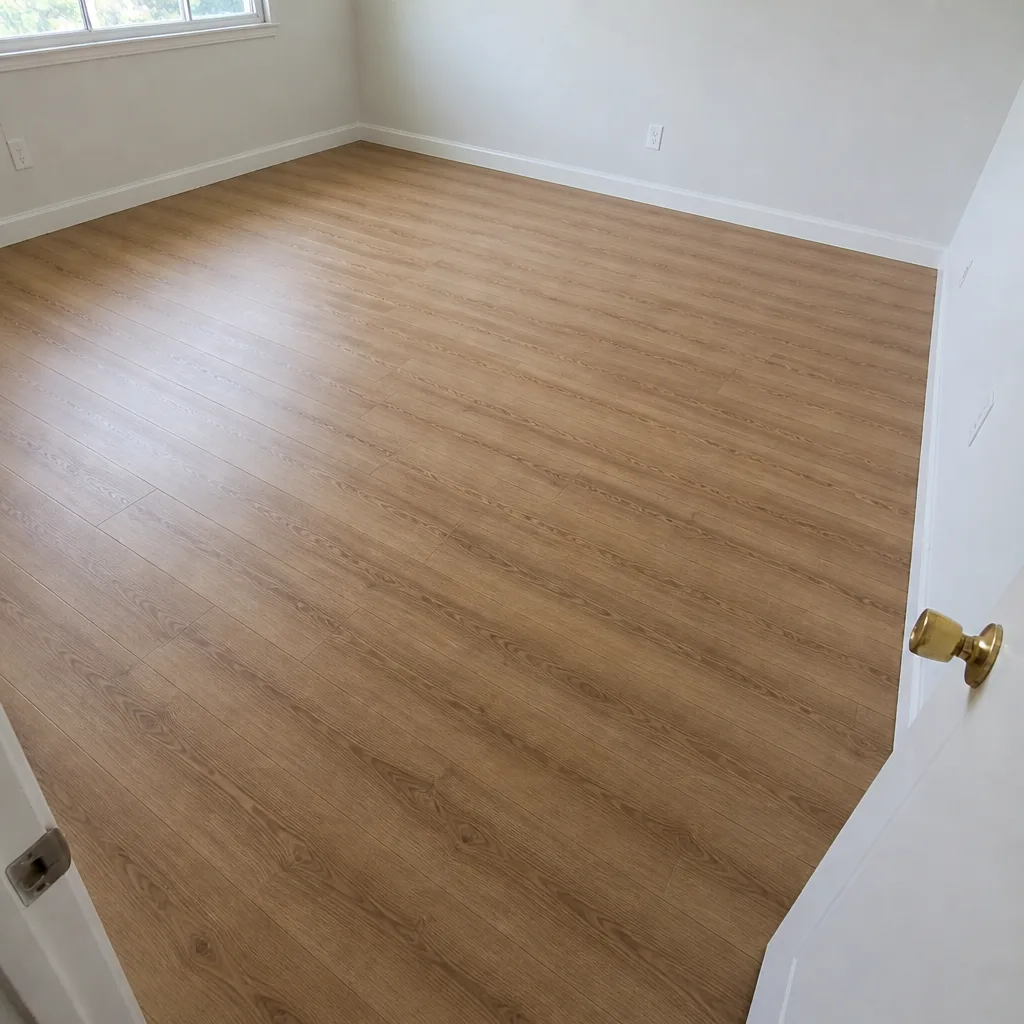 After
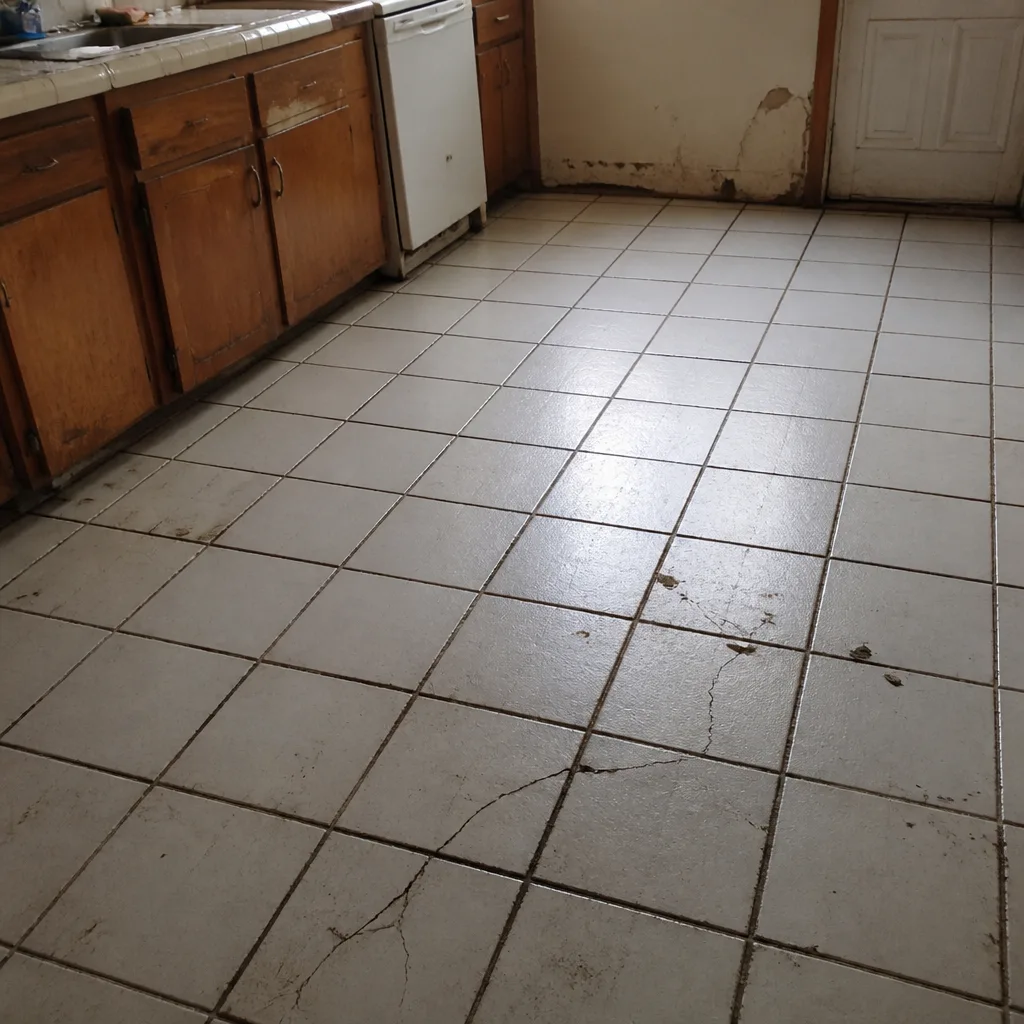 Before
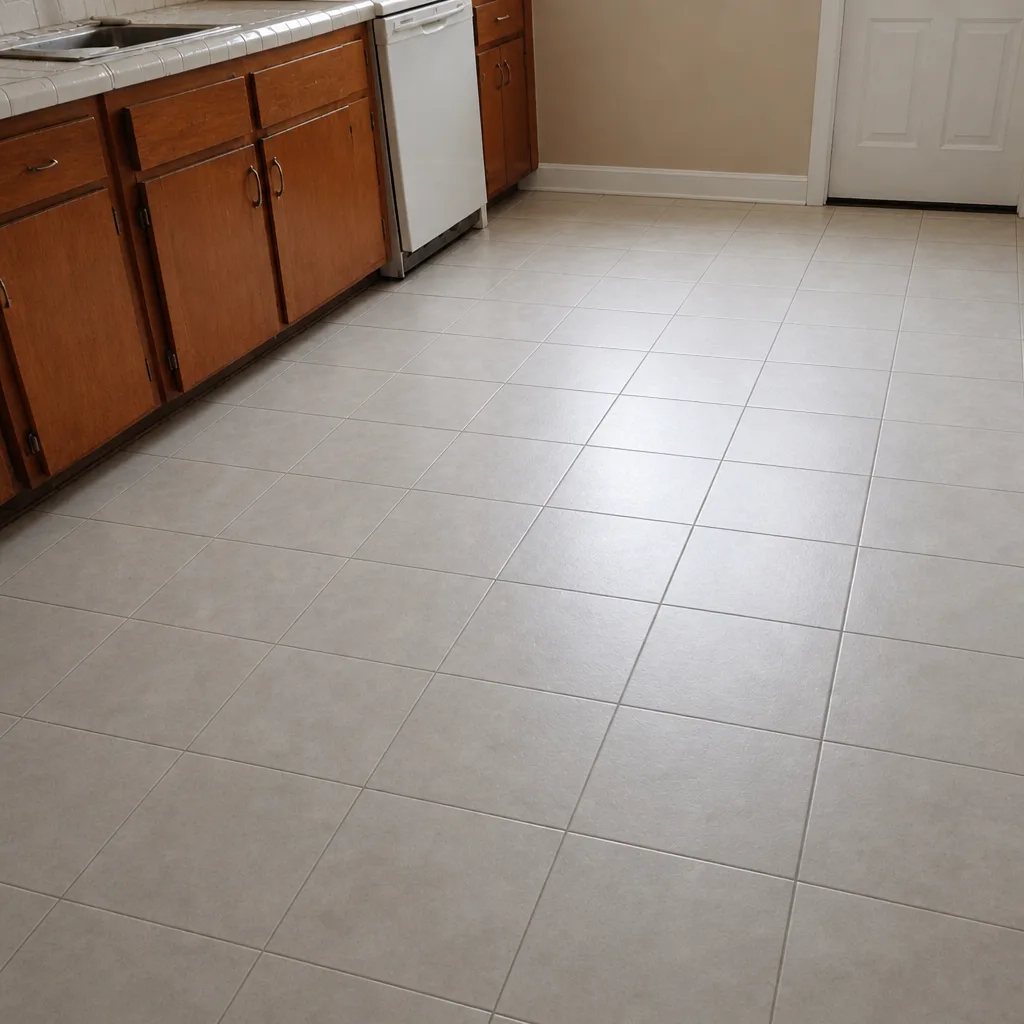 After
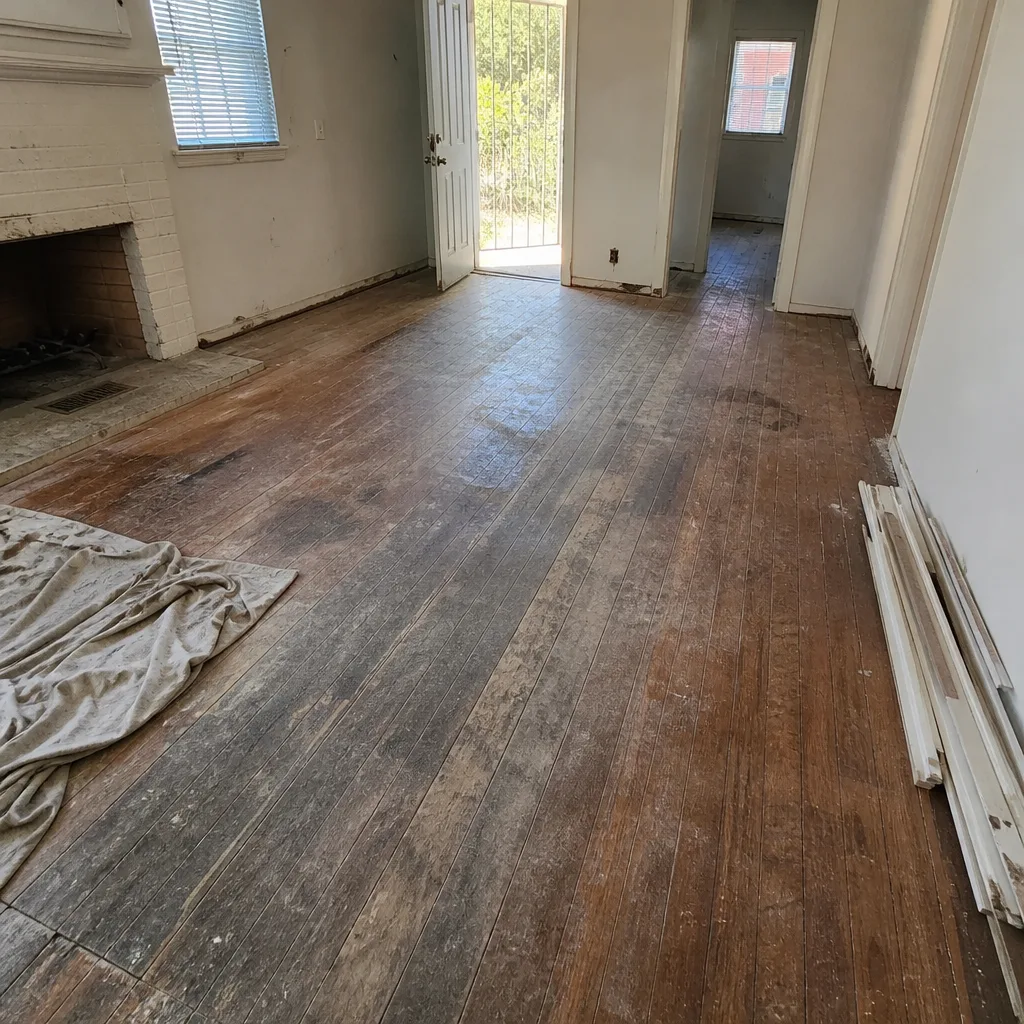 Before
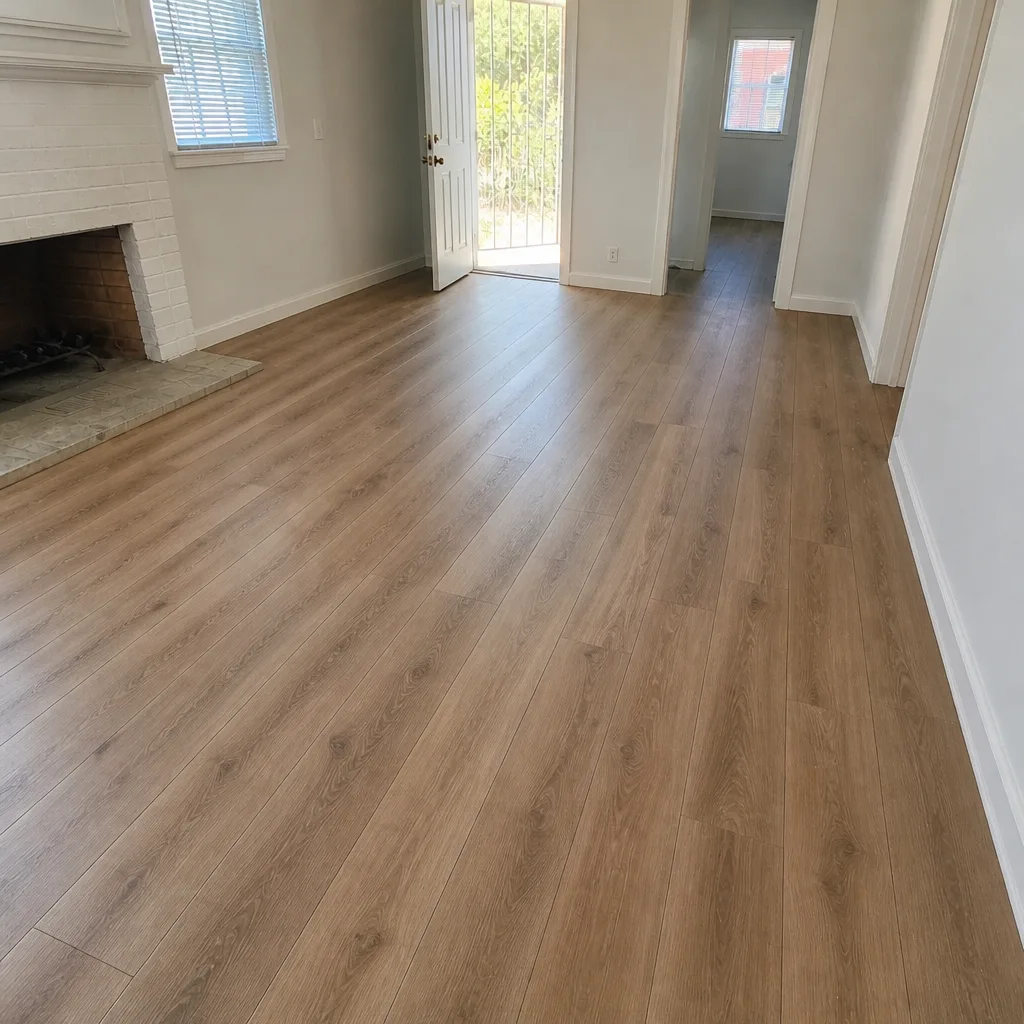 After
When to Call a Professional
Call a professional for anything that touches the subfloor, moisture, or an existing hardwood floor you’re not sure can be refinished. Tile installation in particular is not a good DIY project: subfloor tolerance, thinset coverage, and grout placement all have consequences that show up months after the job is “done.” For vinyl plank and laminate, a careful homeowner can manage a small room, but the estimate visit is where the difference between a floor that lasts and a floor that lifts gets decided, and that’s worth the call regardless of the material.
Sunrise Manor Flooring offers free estimates in Sunrise Manor. Call (833) 695-5999. We answer 24/7. Fast dispatch from 7am to 7pm, Sunday through Friday. Our technicians have up to 8 years of experience, and every estimate includes a written price with the final number set per job.
Frequently Asked Questions
LVP is water-resistant, not waterproof in the absolute sense. The core resists moisture well, which is why it’s a strong choice for kitchens and family rooms in Sunrise Manor, but standing water and moisture coming from below still have to be dealt with. Call (833) 695-5999 for an exact quote – estimates are free.
You can, but engineered hardwood is usually the better answer on a slab-on-grade floor and with the wide humidity swings Sunrise Manor sees across a year. Solid hardwood needs careful moisture control and the right installation method, and it’s less forgiving of the local climate. An on-site estimate will tell you which one fits your home.
For a household with large dogs, 20 mil LVP is the number to target for main living areas, with 12 mil as the practical floor for lower-traffic rooms. A 6 mil plank is not built for that traffic and will show it. Call (833) 695-5999 for an exact quote – estimates are free.
Tile is recommended for the laundry room because it doesn’t react to moisture the way wood-based floors do, and in Sunrise Manor ranch homes the laundry room often sits adjacent to the garage where heat and humidity are highest. Laminate and solid hardwood both struggle in that room. Tile doesn’t.
Often it can, but whether it can be refinished depends on the thickness of the wood and its condition, and that gets checked at the estimate visit, not over the phone. Refinishing saves the full cost of replacement when it’s an option. An estimate is free, so there’s no reason not to find out.
The length depends on the material, the square footage, the subfloor prep, and the acclimation requirements of the product, so we set the schedule at the estimate rather than promising a window on the phone. The written estimate sets the final price and the booked install day. Call (833) 695-5999 for an exact quote – estimates are free.
The Bottom Line
In a Sunrise Manor home, the hardwood-vs-LVP-vs-laminate-vs-tile question is decided by dimensional stability and moisture, not by which material photographs best. Engineered hardwood and quality LVP (12 mil to 20 mil) cover most living spaces, tile wins outright in wet rooms and entryways, and laminate works in dry rooms but is a poor fit for garage-adjacent laundry areas. Refinishing existing hardwood is worth checking before you replace it. The floor sets the tone for every room above it, and the floor that lasts is the one chosen for the rooms it’s actually going into. If you’re weighing options in Sunrise Manor, a free in-home estimate is the fastest way to narrow it down. Call Sunrise Manor Flooring at (833) 695-5999. We answer 24/7. Fast dispatch from 7am to 7pm, Sunday through Friday. Written estimates, no obligation.
Written by the team at Sunrise Manor Flooring.