
Last updated November 17, 2026
 Hardwood
 Engineered hardwood
 Luxury vinyl plank
 Laminate
 Porcelain tile
 Carpet
 Shaw
 Mohawk
 COREtec
 Pergo
Free in-home measure and written estimate: Shaw, Mohawk, COREtec and Pergo lines compared on your own rooms, with carpet, tile, vinyl plank, laminate and hardwood laid out side by side
Get your free estimateHow to Hire a Flooring Contractor in Sunrise Manor: A Step-by-Step Guide
Most homeowners in Sunrise Manor shop for a floor by looking at samples. The smarter move is to shop for the installer first, because the same tile or carpet can perform beautifully or fail within a year depending on who sets it. Nevada requires a C-16 flooring contractor license for this work, yet a surprising number of active bids posted around the Las Vegas Valley come from operators who don’t hold one. This guide walks you through the license check, the insurance question, the subfloor conversation, and the written scope that separate a flooring specialist from a general handyman who lays planks on the side. By the end you’ll have a repeatable process for comparing bids in Sunrise Manor without getting distracted by the lowest square-foot number.
Quick Answer
Hire a flooring contractor in Sunrise Manor by confirming a valid Nevada C-16 license on the state contractor board database, asking for a written subfloor assessment, getting a fixed written scope instead of a verbal estimate, and refusing to pay in full before installation begins. Compare at least three bids using the same scope checklist, not price alone. A flooring-only specialist who carries the right insurance and employs the crew doing the work gives you one accountable party from tear-out to final walkthrough.
Styles & brands we work with
- Hardwood
- Engineered hardwood
- Luxury vinyl plank
- Laminate
- Porcelain tile
- Carpet
- Shaw
- Mohawk
- COREtec
- Pergo
Table of Contents
- Why a Flooring Specialist Beats a General Handyman
- What Nevada’s C-16 License Covers and How to Verify It
- Why Flooring Insurance Differs From a General Contractor’s Policy
- Subcontracted Big-Box Installs vs. Employed Crews
- The Written Subfloor Assessment Nobody Asks For
- The Five Questions That Separate Specialists From Pretenders
- How to Compare Three Bids Using a Scope Checklist
- Red Flags in a Flooring Quote
Why a Flooring Specialist Beats a General Handyman
The Las Vegas Valley has no shortage of handymen willing to install a floor. What it has fewer of is a contractor whose entire business is floors. That distinction matters more than most homeowners realize, because floors fail at the seams, the transitions, and the subfloor, not in the middle of a room where everything looks fine on day one.
A general handyman juggles drywall, plumbing, painting, and flooring. A flooring specialist spends every working day thinking about moisture, deflection, expansion gaps, and how a particular product behaves in a desert climate where indoor humidity swings hard between summer and winter. Our technicians have up to 8 years of experience, and most of that time is spent on the same three disciplines: carpet installation, tile, and hardwood refinishing.
Here’s what a specialist brings that a jack-of-all-trades usually doesn’t:
- Product knowledge tied to the home. Knowing that a COREtec plank and a Pergo laminate behave differently over a slab in Sunrise Manor is not the same as knowing how to read a label.
- Trade-level brand relationships. Specialty dealers carry Karndean and Daltile for a reason. When a homeowner wants a specific look and performance level, a specialist can source it without steering them toward whatever is sitting in a big-box aisle.
- One accountable party. When the same company handles tear-out, subfloor prep, and installation, there’s no finger-pointing between a salesperson and a subcontractor if something goes wrong.
The floor sets the tone for every room above it. Choosing who installs it is choosing who sets that tone for the next decade.
What Nevada’s C-16 License Covers and How to Verify It
Nevada classifies flooring work under a C-16 license, which covers the installation of carpet, tile, hardwood, laminate, and related floor coverings. A contractor holding a valid C-16 has met the state’s requirements for that specific trade. Ask for the license number before you sign anything, then verify it yourself at the Nevada State Contractors Board (NSCB) database. The lookup takes under two minutes and tells you whether the license is active, what classification it carries, and whether there are any disciplinary actions on record.
Here’s the exact process:
- Ask the contractor for their Nevada license number in writing, not just a business card.
- Go to the NSCB website and open the license search.
- Enter the number and confirm the status reads active and the classification includes C-16.
- Check the name on the license against the name on your estimate.
- Note the expiration date. A license that lapses mid-project leaves you exposed.
If a bid you receive lists no license number, or the number traces back to a different classification or a suspended status, walk away. Unlicensed operators are active across the Las Vegas Valley, and a homeowner who doesn’t check is the one holding the risk. This is also a good moment to confirm the company’s Sunrise Manor service area in writing, so you know who is actually showing up.
Why Flooring Insurance Differs From a General Contractor’s Policy
A general contractor’s insurance is built around the many trades they supervise. A flooring specialist’s insurance is built around the risks specific to floors: water damage from a moisture issue, damage to adjacent finishes during tear-out, and liability for the crew inside your home. That distinction matters when something goes sideways.
Ask two questions of every bidder:
- General liability: What’s the coverage limit, and can you provide a certificate of insurance naming me as the property owner? This covers damage to your home and to the contractor’s own work.
- Workers’ compensation: Does the crew doing my install fall under your workers’ comp policy? If not, and a worker is injured in your home, you can end up on the wrong side of a claim.
A specialist with employed crews carries both. A handyman operating solo may carry general liability but no workers’ comp, because they have no employees on the books. If the person quoting your job plans to bring a “helper” who isn’t on payroll, that’s a coverage gap that becomes yours. Get a certificate from the insurer, not a photocopy of a policy declaration page from three years ago.
Subcontracted Big-Box Installs vs. Employed Crews
When you buy a floor from a big-box store, the sale is the store’s. The install is usually a subcontractor’s. That split is where accountability gets murky. If the tile cracks or the carpet wrinkles, the store points to the installer and the installer points back to the store, and you’re the one making calls.
A company that employs its own installation crews keeps the whole job in one place. Tear-out, subfloor prep, installation, and the final walkthrough all sit with the same business. When we quote a whole-home flooring project in Sunrise Manor, that’s the model: one company, one written estimate, one point of contact if anything needs attention after the job.
How to tell the difference during the bid process:
- Ask directly: “Will the crew installing my floor be your employees or a subcontractor?”
- Ask for the name of the crew lead who’ll be on site.
- Ask who handles a callback if something needs fixing after the install.
If the answer to the first question is vague, treat the bid as subcontracted and plan your decision accordingly. Accountability lives with whoever holds the contract, and you want that to be the same company installing the floor.
The Written Subfloor Assessment Nobody Asks For
Most flooring failures start under the floor, not on top of it. Concrete slabs in Sunrise Manor homes can hold moisture, carry minor cracking, or sit out of flat. Wood subfloors can squeak, deflect, or hide old damage. A proper bid includes a written subfloor assessment: what was found, and what prep is required to install the chosen product correctly.
Ask for that assessment in writing before you approve the job. A contractor who skips it is either guessing or planning to charge you extra for prep after the material is on site. Either way, you lose leverage.
A written subfloor assessment typically documents:
- The subfloor type (concrete slab or wood) and its current condition.
- Any moisture concerns and how the chosen product should be handled around them.
- Prep required before install: patching, leveling, crack treatment, or underlayment.
- How transitions at doorways and adjacent rooms will be handled.
Ask the contractor to confirm that the prep listed matches the product’s own installation instructions. A COREtec plank and a Mohawk carpet have different requirements, and the product instructions are what govern the install. If your flooring choice is still open, that’s a good time to look at tile flooring installation for wet areas and carpet for bedrooms, then settle on who’s doing the work.
The Five Questions That Separate Specialists From Pretenders
You don’t need to become a flooring expert to spot a weak bid. You need five questions, asked the same way of every bidder, with the answers written down. This is the single most protective step in the whole process.
- “What’s your Nevada C-16 license number?” A specialist answers immediately. A pretender deflects, changes the subject, or says “we’re fully insured, don’t worry about it.”
- “Who’s installing the floor, and are they your employees?” A flooring specialist with its own crews answers directly. A lead-generation operation or big-box store can’t.
- “Can I see the written subfloor assessment before I approve?” A specialist puts it on paper. A pretender says it’ll be handled on install day.
- “What happens if the floor fails after install?” A specialist walks you through their process for a callback and how warranty coverage from the manufacturer and the installer layer together.
- “What’s excluded from this estimate?” Every honest bid has exclusions. Tear-out, disposal, furniture moving, and transition strips are common ones. A specialist lists them; a pretender doesn’t want you to see them.
Ask those five of three bidders in Sunrise Manor and you’ll see the field sort itself fast. The one who answers cleanly on all five is your short list.
How to Compare Three Bids Using a Scope Checklist
Comparing bids by price alone is the most common mistake homeowners make, and it costs more in the long run than it saves. The right approach is to compare scope, then price within scope. Put three bids side by side on a checklist and the low bid often stops looking low.
Use a checklist like this one for every bid:
- Materials and brand: Brand, product line, and quantity specified? A bid that says “vinyl plank” with no brand isn’t a comparable bid.
- Prep and subfloor: Is prep itemized, or lumped into “installation”?
- Tear-out and disposal: Included or excluded? If excluded, what’s the typical add?
- Transitions and trim: Are doorway transitions, baseboard removal, and reinstallation covered?
- Furniture movement: Do they move furniture, or is the room expected empty?
- Schedule: A written start date and expected duration, not “sometime next month.”
- Payment terms: Deposit amount and final payment timing.
- Warranty: Manufacturer coverage and installer workmanship coverage, described clearly.
Once the scope matches across bids, the price comparison is meaningful. Sunrise Manor homeowners should expect the written estimate to set the final price, with no surprises after the material lands. If any bid omits more than two lines from this checklist, ask them to revise it before you decide.
Red Flags in a Flooring Quote
Some quote patterns are warning signs in any market, and a few are specific to flooring. Learn to recognize them before you sign.
- Unusually low material specs. A bid that beats the others by 30 percent usually does it by substituting a thinner product, a lesser brand, or no underlayment. Ask what brand and product line is specified, then compare those specs across bids.
- No written subfloor assessment. Prep is where installers protect themselves. A bid without it is a bid that plans to charge you extra after the truck arrives.
- Payment in full upfront. No reputable flooring contractor needs the full job total before starting. A reasonable deposit and a final payment at completion is the norm. Anyone insisting on 100 percent before tear-out is walking with your money if the job stalls.
- No license number on the paperwork. A C-16 license number should be on the written estimate. Its absence is a hard stop.
- Vague warranty language. “Warrantied for life” with no manufacturer or installer details is a phrase, not a warranty. Ask what the manufacturer covers and what the installer covers.
- A verbal scope change. Any change after the estimate should be in writing. Nothing important gets decided on a phone call that isn’t confirmed in the bid.
Common Mistakes to Avoid
- Shopping by square-foot price alone. Two bids at “the same” price can deliver very different floors depending on brand, prep, and transitions. Compare scope, not just the number at the bottom.
- Skipping the license check. A homeowner who doesn’t verify the C-16 is holding all the risk. Two minutes on the NSCB website protects months of investment.
- Choosing by showroom, not by installer. Big-box stores sell product and subcontract the work. You want to know who’s actually on the floor in your home before the job starts, not after.
- Skipping the subfloor conversation. The prep under your floor matters more than the floor itself. Ask what’s being done, and get it in writing.
- Assuming refinishing is off the table. Existing hardwood can often be restored at less cost than replacement. Get an assessment before tearing it out.
- Buying material separately to “save.” When the material and the install come from different sources, nobody owns the finished result. One accountable party solves that.
- Paying the full total before install begins. A reasonable deposit and a final payment after walkthrough is standard. Full upfront payment is not.
See the difference
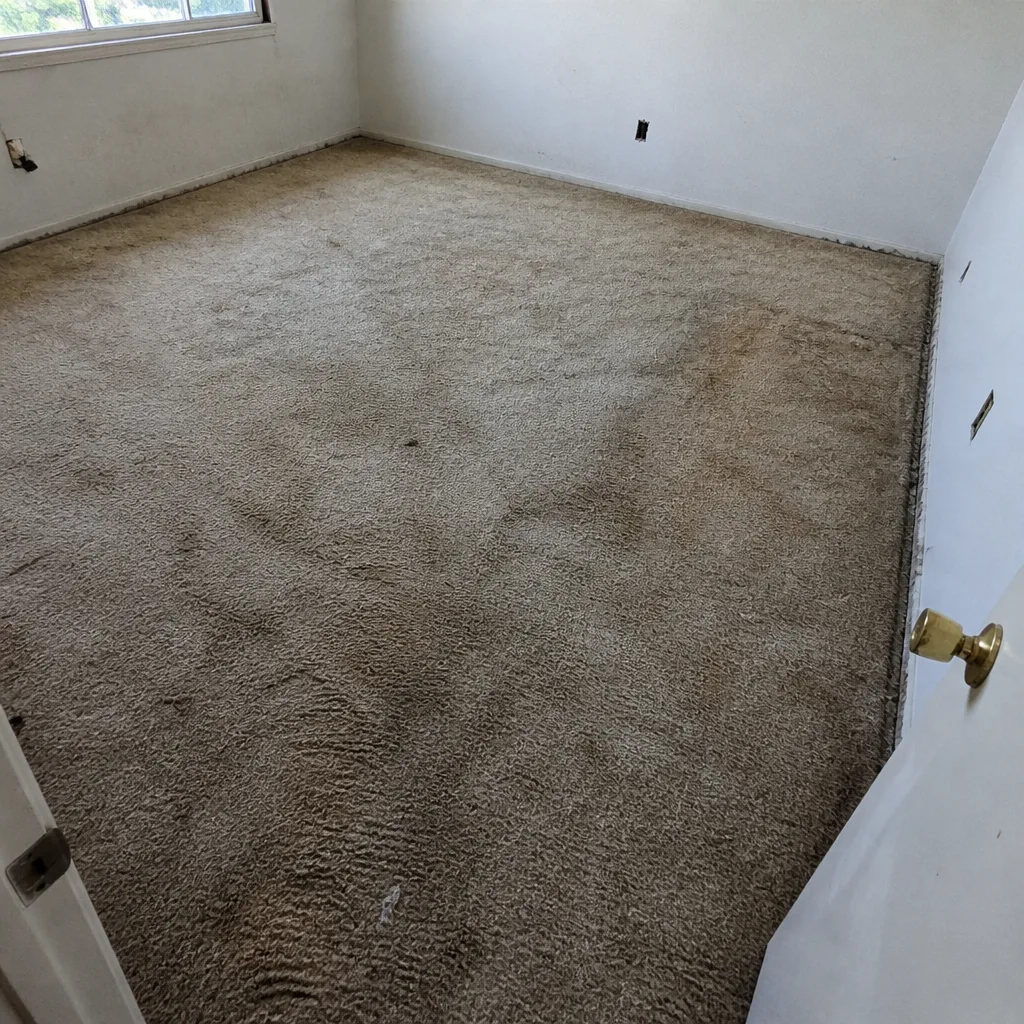 Before
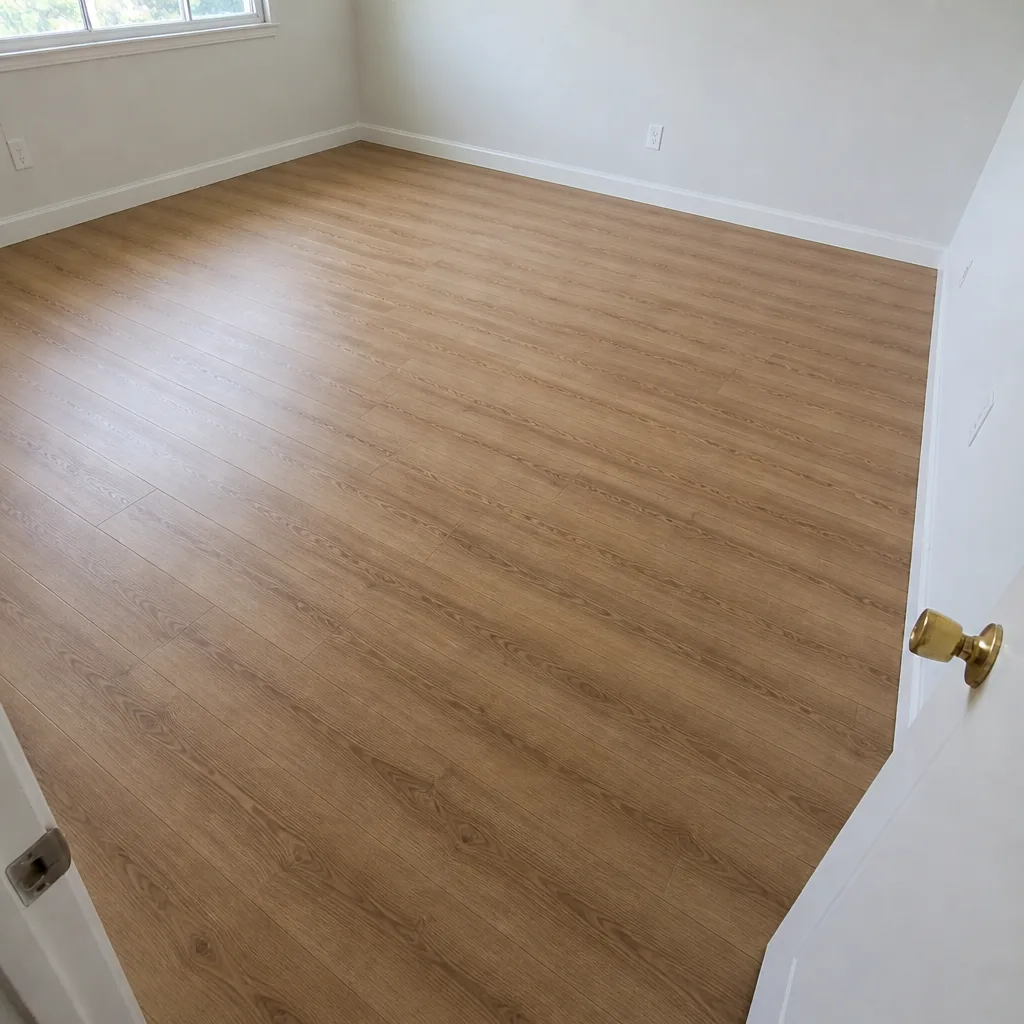 After
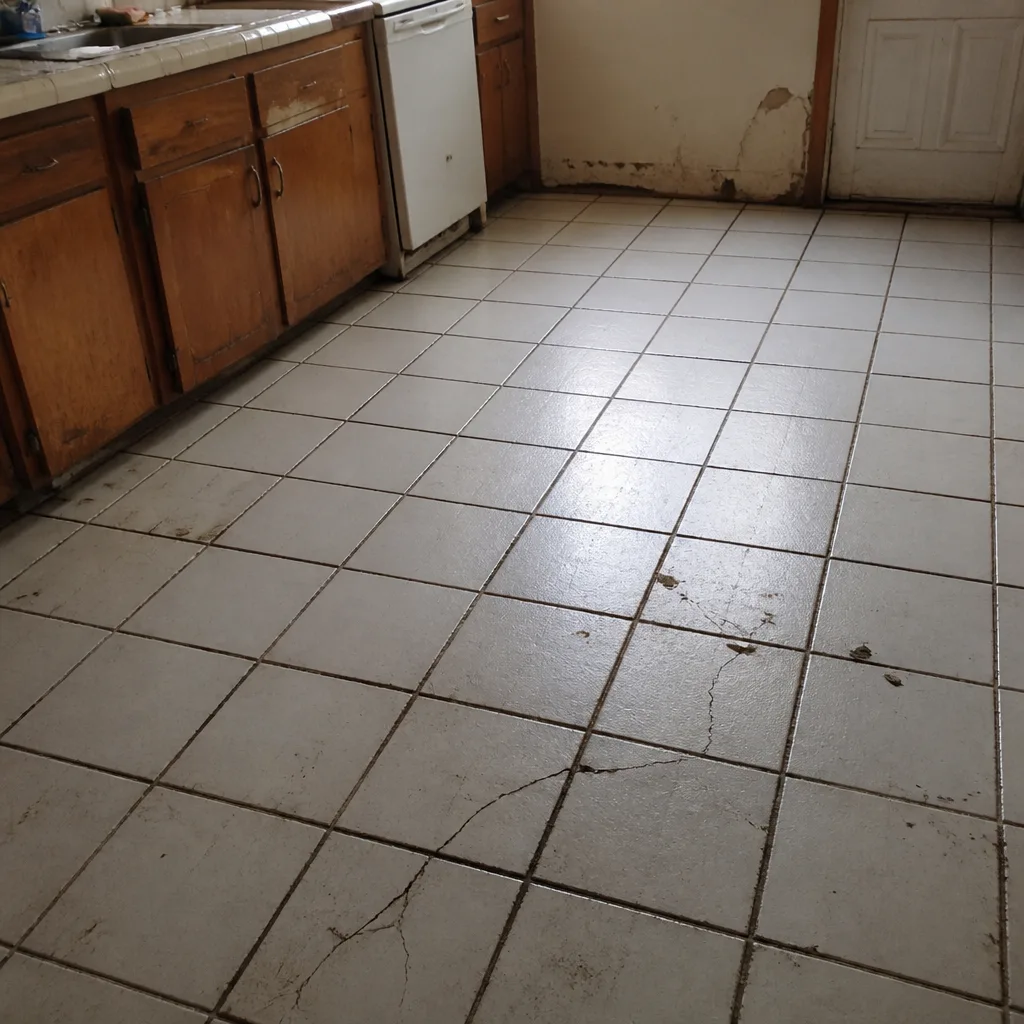 Before
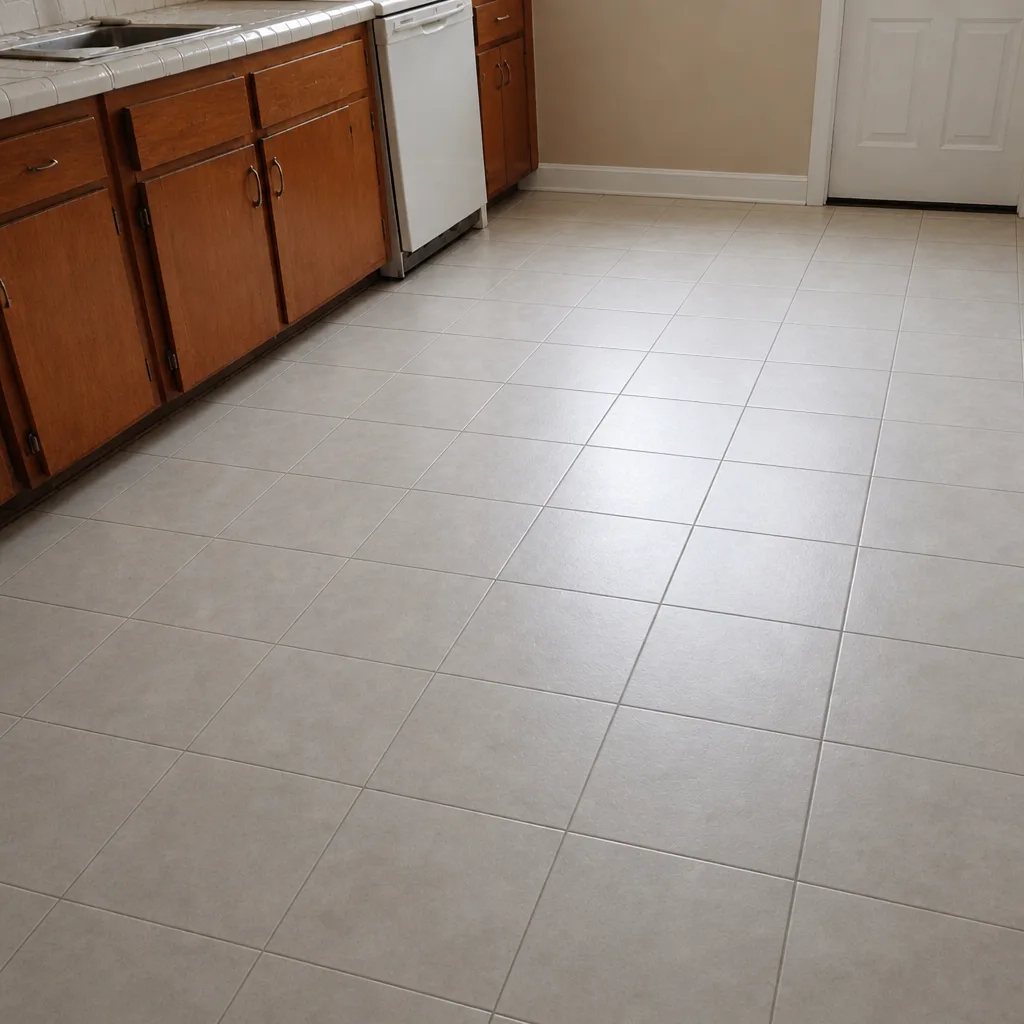 After
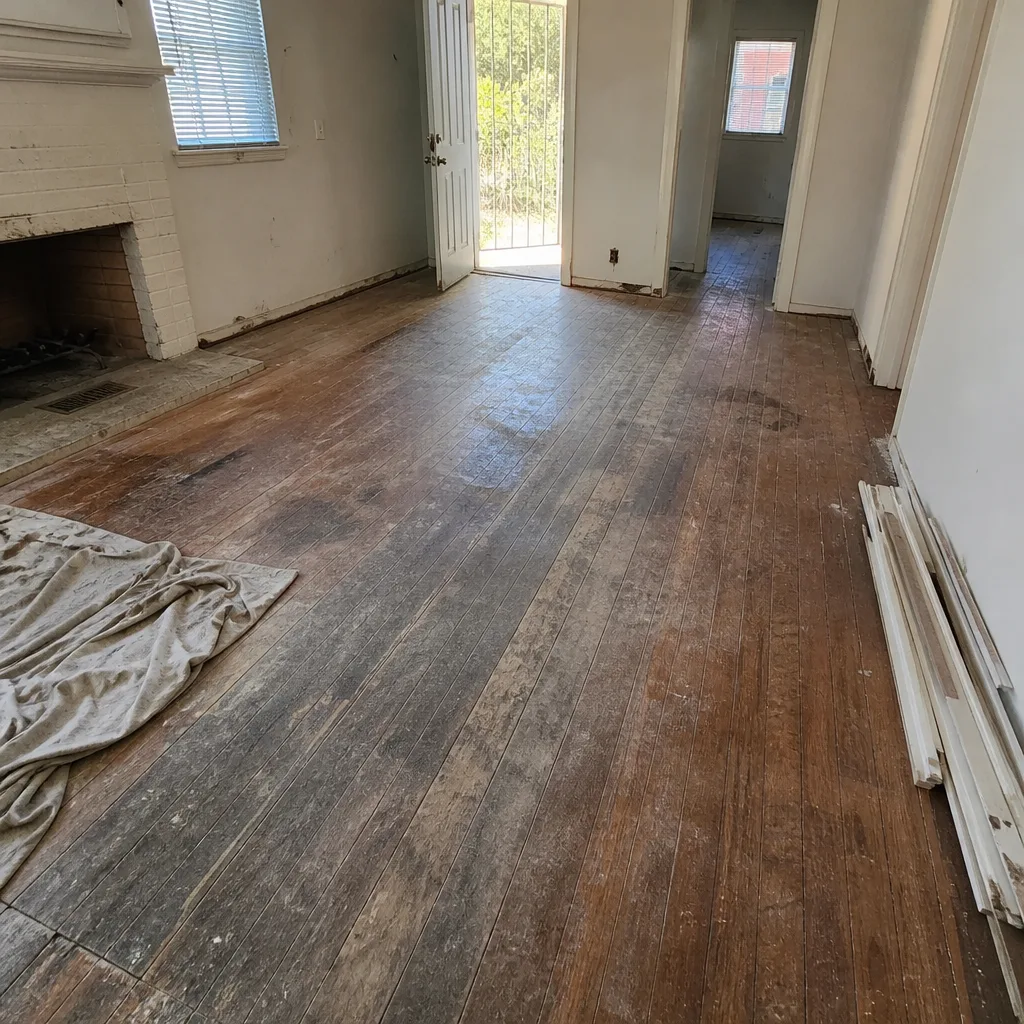 Before
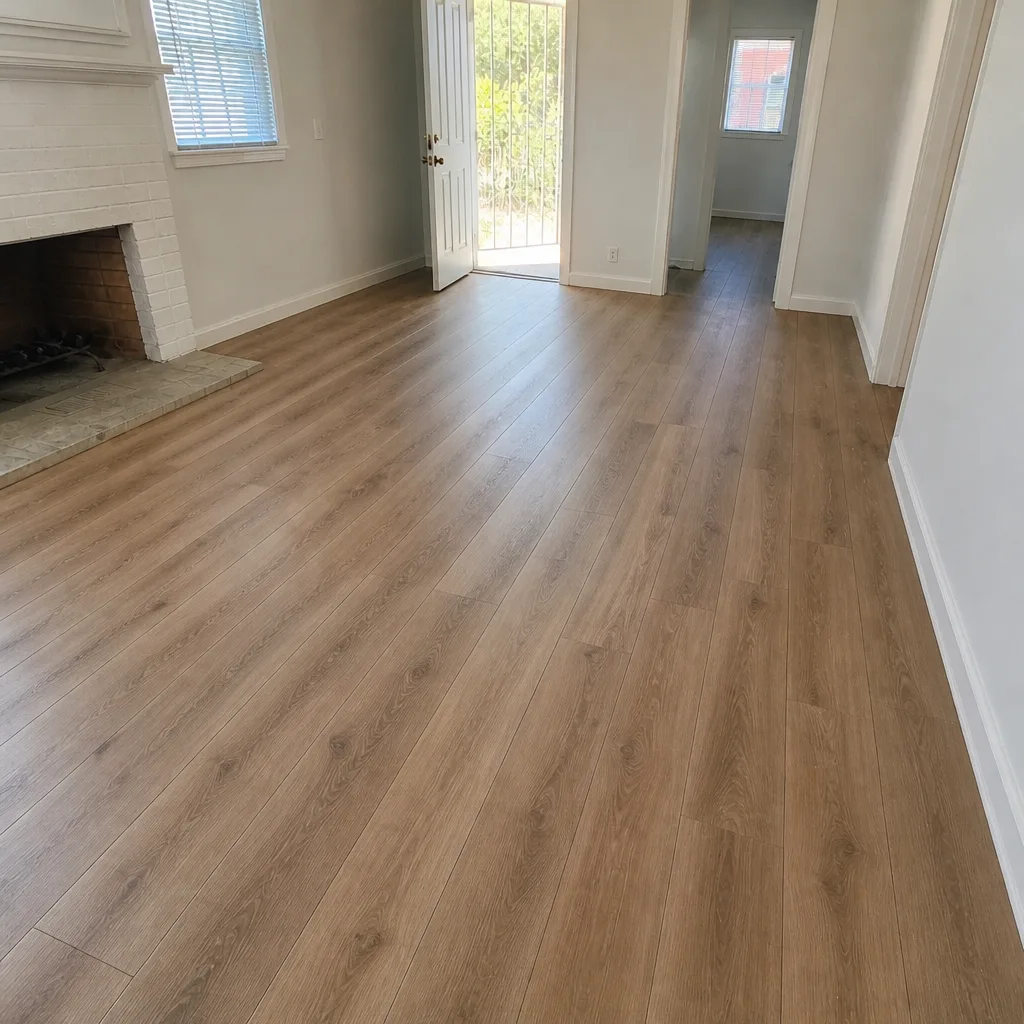 After
When to Call a Professional
Not every flooring issue needs a contractor, but several do. Call a professional when a floor is bouncy or has soft spots (that’s a subfloor problem, not a cosmetic one), when tile or grout is cracking across a room, or when moisture or water damage is suspected after a leak or a plumbing failure. Call when you’re planning a room renovation and need the flooring to line up with a scheduled cabinet or paint job. Call when existing hardwood has lost its finish and refinishing might be faster than replacement. And call when a previous contractor left a floor that’s already failing after a short time. A written estimate costs you nothing and gives you a clear starting point.
Sunrise Manor Flooring offers free estimates in Sunrise Manor. Call (833) 695-5999. We answer 24/7. Fast dispatch from 7am to 7pm, Sunday through Friday. Our technicians have up to 8 years of experience installing carpet, tile, and refinishing hardwood, and the written estimate sets the final price.
Frequently Asked Questions
Nevada’s C-16 classification covers the installation of floor coverings, including carpet, tile, hardwood, laminate, and related materials. You can verify any contractor’s C-16 status on the Nevada State Contractors Board database in under two minutes by entering their license number. Ask for that number on the written estimate before you sign anything, then check it yourself. If the number is missing or shows an inactive status, keep looking. Call (833) 695-5999 for an exact quote from a licensed specialist.
A handyman may quote lower on paper, but the real cost shows up later if the prep was skipped or the wrong material was used over your subfloor. Flooring specialists carry the right license, the right insurance, and the experience to do prep correctly the first time. Compare bids on scope, not just price. Call (833) 695-5999 to schedule a free estimate and see what a properly scoped bid looks like.
Timelines depend on the material, the square footage, the prep required, and how the product instructions govern handling and installation. The schedule is set at the estimate visit, once the subfloor has been assessed and the material selected. Talk through your target date at that first visit. Call (833) 695-5999 to book your free estimate.
Three bids is the right number. It’s enough to see how different companies price the same scope, and it lets you spot unusually low bids that are cutting corners on material or prep. Compare the bids on the checklist in this guide, not on the total at the bottom. Call (833) 695-5999 for a free estimate you can compare against the others.
A flooring contractor should carry general liability insurance and, if they have employees, workers’ compensation coverage. Ask for a certificate of insurance before the job starts, and confirm the crew doing the work is covered by their policy. If the crew is a subcontractor with no workers’ comp, the risk shifts to you. Call (833) 695-5999 to talk through coverage on your project.
Often yes, but not always. Whether refinishing is possible depends on the thickness of the wood and its current condition, which is checked at the estimate visit. Refinishing is a cost-preserving alternative to replacement when it’s viable, and a good specialist will tell you plainly which side of that line your floor falls on. Call (833) 695-5999 for a free assessment.
The Bottom Line
Hiring a flooring contractor in Sunrise Manor comes down to verification. Confirm the C-16 license, ask for the certificate of insurance, get a written subfloor assessment, and compare three bids on the same scope checklist. That process protects you far more than any single number on a quote. Our own work sits inside those same rules: licensed, insured, one accountable team from tear-out to walkthrough, and a written estimate before work begins. If you’re weighing options in Sunrise Manor, start with a free estimate and see how a properly scoped bid reads.
Call (833) 695-5999 to schedule your free estimate with Sunrise Manor Flooring. The estimate is free, the written quote is in your hands before you decide, and it sets the final price with no surprises after the material lands.
Written by the team at Sunrise Manor Flooring.